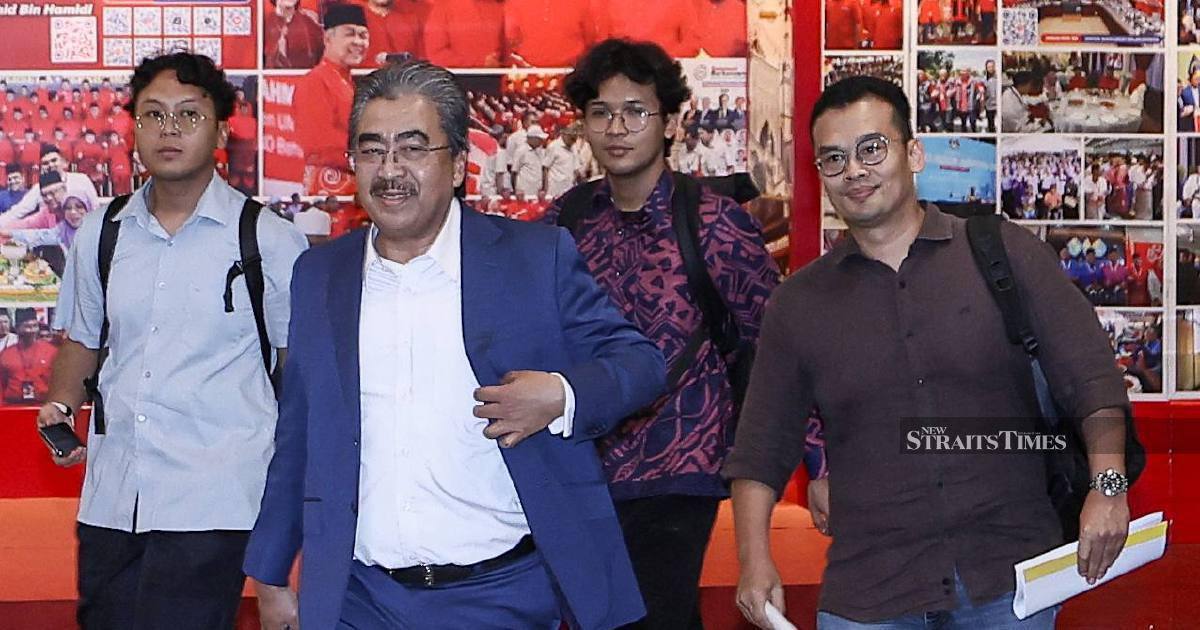
Deputy Prime Minister Zahid Hamidi convened a high-level, invitation-only briefing at the Umno party headquarters in Kuala Lumpur to discuss the recently declassified Royal Commission of Inquiry report on Lembaga Tabung Haji, bringing together the country's most senior political figures from both government and opposition coalitions in what observers characterise as an unusually broad show of political unity around the sensitive matter.
The gathering represented a significant moment in Malaysian politics, as the participation of opposition Perikatan Nasional leaders alongside Barisan Nasional figures signalled that the findings and recommendations emerging from the inquiry have transcended ordinary partisan divisions. The closed-door nature of the session underscores the gravity with which authorities are treating the contents of the RCI report, suggesting that the deliberations may touch upon matters of institutional sensitivity or contain revelations requiring careful political management before wider public disclosure.
Tabung Haji, Malaysia's pilgrimage fund which manages the savings of millions of Muslim Malaysians preparing for the hajj pilgrimage to Mecca, has faced considerable scrutiny in recent years. The institution holds enormous symbolic and practical importance within the Malaysian Islamic community, servicing not merely the spiritual aspirations of pilgrims but also functioning as a significant financial institution holding substantial assets on behalf of ordinary Malaysians. Any governance lapses or mismanagement at the organisation carry ramifications far beyond corporate boardrooms, touching directly on the religious observances and financial security of the faithful.
The decision to declassify the RCI report itself represents a notable shift in transparency, as such inquiries traditionally remain restricted or heavily redacted documents. The Royal Commission of Inquiry mechanism, when invoked to examine institutional failures, produces findings that governments have historically guarded closely, sometimes citing national security or commercial sensitivity as justification for secrecy. That Malaysian authorities have moved toward declassification signals either genuine commitment to accountability or recognition that public knowledge of the findings has become inevitable regardless, requiring controlled rather than uncontrolled disclosure.
For Malaysian readers and observers, the significance of this briefing extends beyond the immediate governance questions surrounding Tabung Haji. The gathering exemplifies how Malaysia's political landscape continues to shift, with the need for bipartisan consensus on matters affecting core national institutions transcending the fierce electoral competition that characterises contemporary Malaysian politics. The inclusion of Perikatan Nasional leaders in briefings initiated by Barisan Nasional figures, and convened by the deputy prime minister, illustrates the fragmented nature of Malaysian parliamentary coalitions following recent electoral results.
The closed-door format raises questions about what information will subsequently be made public and through which channels. Typically, such briefings for opposition leaders represent an effort to ensure all major political players understand the nature of institutional problems before public announcements or parliamentary disclosures occur. This approach, while sometimes criticised as undemocratic, reflects a pragmatic recognition that sudden revelations about major institutions can create market instability, public alarm, or loss of confidence in financial systems. Staggered, coordinated disclosure allows government to manage the narrative and prepare remedial responses.
Tabung Haji's operational challenges have manifested across several dimensions, ranging from investment performance concerns to allegations of administrative irregularities and questions about whether the organisation's governance structures adequately protect contributors' interests. The institution manages billions of ringgit in pilgrimage funds, making even modest percentage losses translate into substantial absolute sums. An RCI examining such matters would typically investigate the adequacy of internal controls, the conduct of senior management, the oversight provided by the board of directors, and potentially the regulatory framework governing the institution.
For Southeast Asia more broadly, the Malaysian situation illustrates challenges facing pilgrimage funds and Islamic financial institutions across the region. Indonesia, Brunei, and other Muslim-majority nations operate similar mechanisms, and revelations about governance failures at Tabung Haji carry reputational implications for the Islamic finance sector as a whole. International investors and depositors scrutinise such institutions not merely for financial returns but for ethical compliance with Islamic principles, making governance lapses particularly damaging to institutional credibility.
The political consensus evidenced by the bipartisan briefing attendance suggests that whatever remedial measures emerge from the RCI findings are likely to command broad parliamentary support. This political alignment, whether genuine or tactical, improves prospects for meaningful reform implementation. Opposition parties sitting in briefings on sensitive institutional matters gain both access to information and implicit responsibility for supporting subsequent corrective action, creating political dynamics quite distinct from confrontational parliamentary debate.
The road ahead for Tabung Haji likely involves structural reorganisation, management changes, enhanced regulatory oversight, or some combination thereof. The RCI findings will probably generate recommendations addressing governance architecture, investment strategy, compliance mechanisms, and stakeholder communication. Implementation of such reforms requires not merely legislative action but also restoration of public confidence among the millions of Malaysians who depend on Tabung Haji's services and security for their spiritual and financial aspirations.
Ultimately, this briefing represents a critical juncture in Malaysia's institutional accountability narrative. Whether the declassification and cross-party briefing approach genuinely heralds improved transparency and governance standards, or serves primarily as sophisticated damage control, will become evident as detailed findings enter public discourse and remedial measures are implemented across the coming months.

