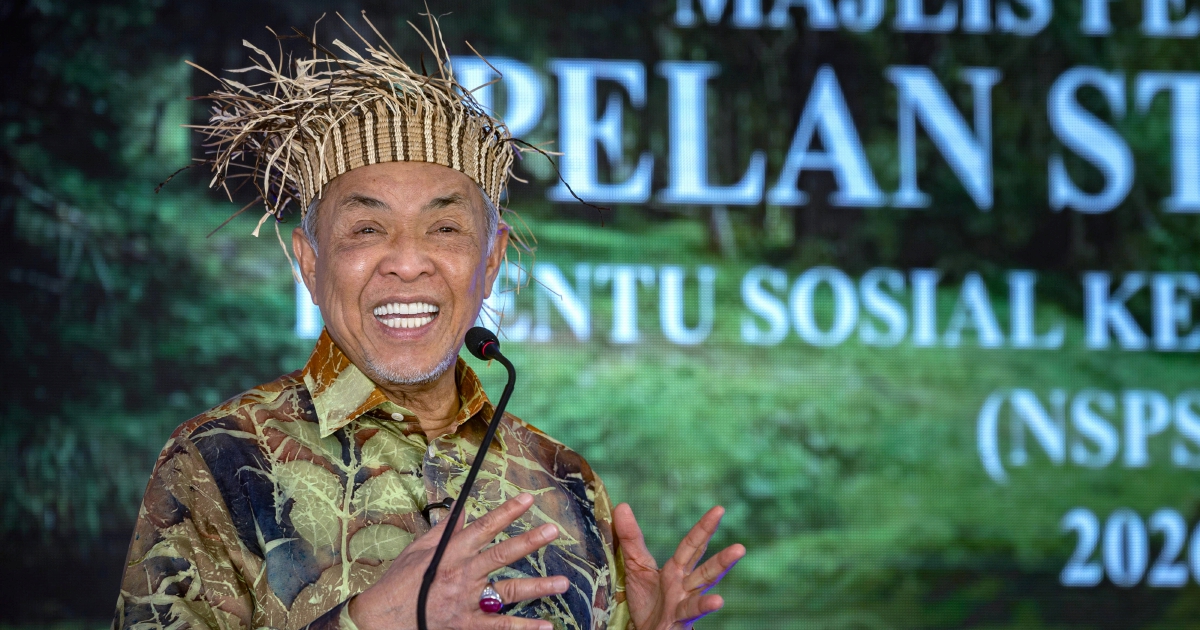
Melaka Chief Minister Datuk Seri Ab Rauf Yusoh is now operating with unrestricted authority to broker political alliances as the state heads toward elections, marking a significant shift in how the party will approach coalition negotiations. The decision, endorsed by party leadership, grants him latitude to engage directly with rival political groupings without requiring constant approval from higher-ups, streamlining the bargaining process and giving him greater flexibility in securing advantageous arrangements for Melaka's voting bloc.
This move reflects confidence within UMNO's upper echelon in Rauf's diplomatic capabilities and political acumen. By placing such consequential negotiations squarely in his hands, the party demonstrates trust in his judgment to advance the party's electoral interests while navigating the complex landscape of Malaysian coalition politics. The timing suggests party strategists believe Rauf is best positioned to evaluate which alliances serve Melaka's constituents most effectively.
Melaka has long been a bellwether state in Malaysian politics, frequently swinging between coalitions and serving as a testing ground for new electoral arrangements. Its relatively compact geographic size and manageable voter population make it an ideal laboratory for coalition experimentation. The state's electoral importance extends beyond its own parliamentary seats, as coalition performance here often presages outcomes in other swing states and influences national political momentum.
The authority granted to Rauf encompasses discussions with potential partners across the political spectrum, suggesting the party is preparing to consider multiple pathways rather than locking into predetermined arrangements. This open-ended mandate allows Melaka's leadership to pursue whichever coalition configuration seems most likely to deliver electoral success, whether that involves traditional partners or unexpected combinations. Such flexibility can prove decisive when state-level dynamics diverge from national political trends.
Coalition negotiations in Malaysia frequently hinge on seat allocation, ministerial positions, and policy commitments, all matters where state-level leaders like Rauf must balance local interests against broader party directives. By granting him full negotiating authority, UMNO has effectively delegated these critical decisions to someone intimately familiar with Melaka's political landscape and stakeholder relationships. This contrasts with approaches that require constant consultation with national headquarters, which can slow decision-making and weaken bargaining positions when competitors move quickly.
The decision also signals that Melaka's leadership enjoys sufficient standing within UMNO's hierarchy to warrant such autonomy. Rauf's track record as Chief Minister, his ability to maintain government stability, and his credibility among business and community leaders all factor into why party elders would bestow such responsibility. State-level performance often determines whether leaders gain or lose influence within party structures, and UMNO appears confident that Rauf's recent governance record justifies expanded authority.
For opposition parties and rival coalitions, Rauf's new mandate transforms negotiating dynamics. Rather than waiting for decisions to filter through multiple approval layers, they can now engage directly with someone empowered to make binding commitments. This accelerates the bargaining process and reduces opportunities for delays or reversals that sometimes occur when lower-level negotiators must refer matters upward. Competitors will need to adjust their strategies accordingly, potentially moving faster themselves to lock in preferred arrangements before Rauf secures better terms.
Melaka's electoral dynamics have shifted considerably in recent years, with several coalitions achieving brief political dominance before losing ground. Voters in the state have demonstrated willingness to swing between options when dissatisfied with incumbent performance, making coalition choices particularly consequential. The state's urban-rural composition and its significant business community create constituencies with distinct policy priorities, requiring coalition partners to deliver tangible benefits across multiple voter categories.
Historically, Melaka has hosted intense competition between UMNO-led coalitions and opposition groupings, with recent elections producing surprising outcomes that confounded earlier predictions. The state's complexity extends to local racial and religious demographics, though its relatively balanced composition compared to some other states allows for coalition flexibility. What works in Perlis may fail spectacularly in Melaka, and vice versa, making state-specific negotiations critical.
Rauf's mandate extends beyond simply negotiating seat arrangements; it encompasses discussions about policy priorities, resource allocation, and implementation timelines that may influence voter behaviour. Coalition partners often expect commitments regarding development projects, administrative appointments, and legislative priorities before committing their own political capital. These negotiations require not just political cunning but also substantive knowledge about feasibility, budget constraints, and implementation capacity—areas where sitting state leaders possess clear advantages over national office-holders removed from ground-level realities.
The broader context suggests UMNO leadership believes Melaka will play a crucial role in determining its overall electoral fortunes and coalition positioning for any subsequent national negotiations. States that deliver strong results enhance their leaders' influence in national affairs, creating incentives for Rauf to pursue the most advantageous coalition arrangements possible. His new authority effectively makes him a key player in shaping not just Melaka's political future but potentially the contours of coalition politics across Malaysia.
As campaign season approaches, other state and federal leaders will likely scrutinise how Rauf deploys this mandate and what results he achieves. Success in securing favourable coalition terms and delivering electoral victories could establish a model that other state leaders subsequently demand for themselves, subtly shifting power dynamics within UMNO and potentially influencing how future coalition negotiations proceed across other states and at the national level.

