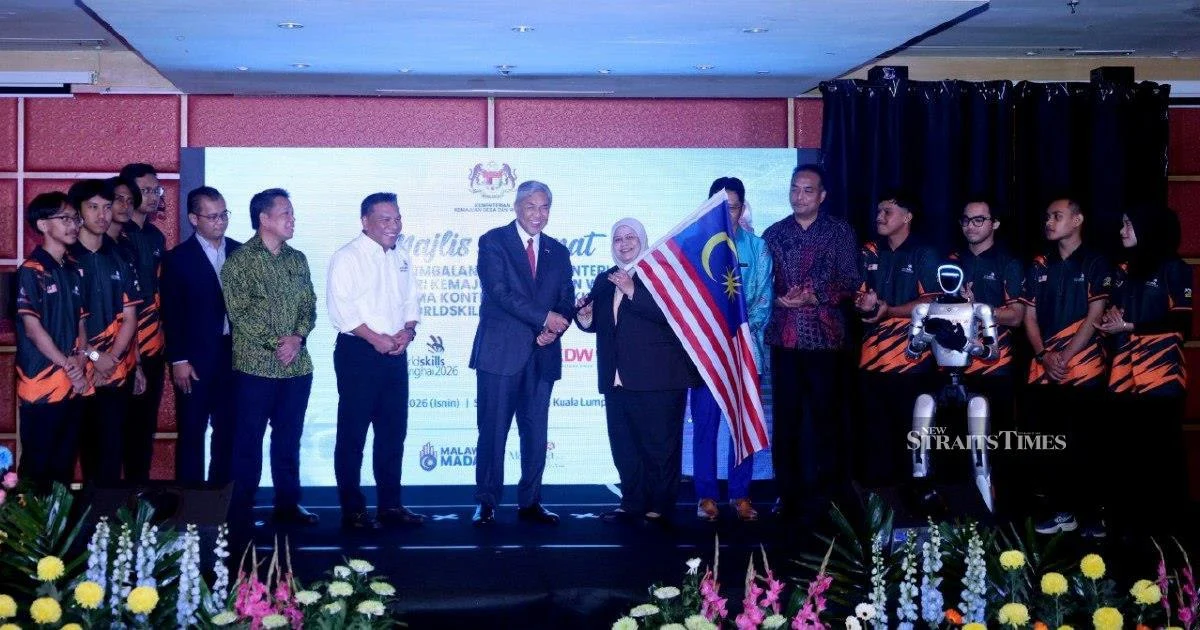
Deputy Prime Minister Datuk Seri Dr Ahmad Zahid Hamidi has indicated his intention to hold discussions with Housing and Local Government Minister Nga Kor Ming in the aftermath of Barisan Nasional's commanding performance in the recent Johor state election. The planned conversation follows Nga Kor Ming's earlier public commitment to step down from his ministerial position should the ruling coalition secure a decisive victory in the contest, a statement that has prompted official attention at the highest levels of government.
Nga Kor Ming's conditional resignation pledge represented an unusual political manoeuvre, made prior to the electoral contest as the minister sought to demonstrate his confidence in the coalition's prospects while simultaneously signalling his willingness to accept personal consequences should the party succeed. Such statements in Malaysian politics often serve multiple purposes, simultaneously rallying support through expressions of conviction and establishing benchmarks for accountability. However, the pledge has created an unusual situation now that Barisan Nasional has indeed secured the substantial electoral mandate that Nga Kor Ming specified.
The Deputy Prime Minister's decision to arrange a meeting with Nga Kor Ming underscores the complex political dynamics within Malaysia's governing coalition, particularly regarding ministerial accountability and the management of public commitments made by senior government figures. Officials at the highest level of the administration have evidently determined that the matter warrants direct discussion between these two senior coalition leaders, suggesting the implications extend beyond a simple individual resignation matter.
Barisan Nasional's performance in the Johor election represents a significant political moment for the ruling coalition, which has faced considerable electoral pressure in recent years across various state and federal contests. The scale of the victory that triggered Nga Kor Ming's conditional pledge demonstrates the electorate's substantial endorsement of the coalition in one of Malaysia's most politically significant states. Johor's electoral importance stems from its large population, economic significance, and historical role as a Barisan Nasional stronghold, making its results particularly consequential for the coalition's broader political standing.
The timing and nature of Nga Kor Ming's original statement raise questions about the political calculations that preceded the Johor election. Ministers and senior politicians occasionally make such conditional declarations to express confidence, motivate party machinery, or establish personal political narratives. The housing minister's pledge appears to have been interpreted by some observers as a gesture of commitment to the coalition's electoral effort, though such statements invariably carry risks if the anticipated outcome materializes.
The forthcoming discussion between Zahid Hamidi and Nga Kor Ming will likely explore the precise meaning and intended scope of the minister's resignation pledge, including whether the committed conditions have been satisfied by the election results and what course of action would be appropriate given the outcome. These conversations typically involve nuanced assessments of political circumstances, the actual strength of the electoral margin, and the relative value of retaining experienced ministers within the government apparatus. The Deputy Prime Minister's involvement suggests the government views this matter as requiring senior-level resolution rather than routine administrative handling.
Nga Kor Ming's tenure as Housing and Local Government Minister has encompassed significant policy responsibilities affecting urban development, local governance structures, and municipal administration across Malaysia. The ministry oversees matters ranging from housing affordability initiatives to local government finances, areas that require sustained ministerial attention and relationships with state and local authorities. Any ministerial transition in this portfolio would necessitate briefings and continuity planning to ensure ongoing governance effectiveness.
Barisan Nasional's composition includes multiple component parties with distinct constituencies and leadership structures, creating a political ecology where individual ministerial statements and positions receive careful observation by party leaders and coalition partners. The Malaysia Chinese Association, of which Nga Kor Ming is a prominent member, maintains particular interest in how coalition resources and ministerial positions are allocated and managed, adding another layer to the political considerations surrounding this situation.
The broader political context includes ongoing discussions within Malaysian governance about standards for ministerial accountability, the significance of public commitments made by senior officials, and the appropriate mechanisms for addressing situations where such pledges appear to have been activated by electoral outcomes. These conversations extend beyond individual personalities to encompass questions about institutional expectations and the relationship between political rhetoric and governmental responsibility.
The meeting between Zahid Hamidi and Nga Kor Ming will likely occur within a relatively short timeframe, given the immediate political implications of leaving such matters unresolved. Malaysia's political system, while accustomed to complex coalition dynamics and occasional ministerial transitions, expects resolution of such situations to proceed through appropriate channels and direct engagement between senior figures. The outcome of this discussion will carry significance not merely for Nga Kor Ming's personal position but potentially for broader perceptions regarding how Barisan Nasional manages internal commitments and ministerial accountability.
The government's apparent approach of conducting direct discussions rather than making immediate public pronouncements suggests a preference for resolving the matter through established political channels. This pragmatic approach reflects the understanding that such situations often benefit from private negotiations that permit officials to reassess circumstances, clarify intentions, and reach mutually acceptable resolutions before public positions become entrenched.

