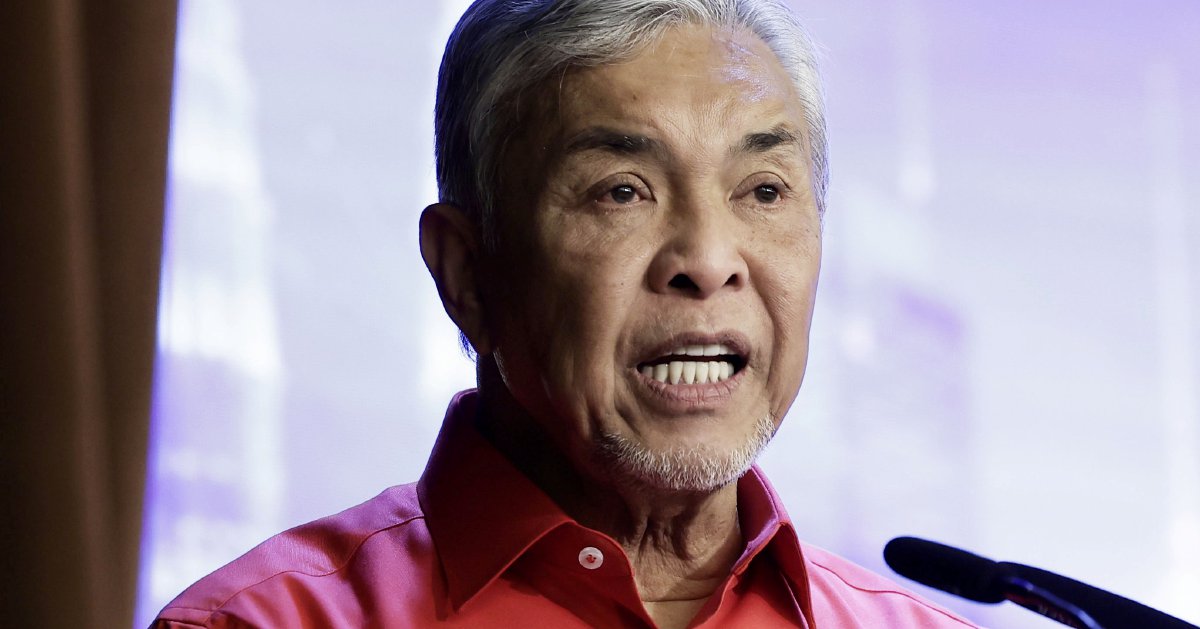
Deputy Prime Minister Datuk Seri Dr Ahmad Zahid Hamidi has appealed to the public to cease making baseless accusations and circulating unverified claims regarding the management and operations of Lembaga Tabung Haji (TH), Malaysia's Islamic pilgrim savings institution. His statement comes amid ongoing scrutiny of the fund manager, which handles investments and savings for millions of Malaysian Muslims preparing for the Hajj pilgrimage to Mecca.
The call represents an attempt to shift public discourse around the statutory body towards fact-based analysis rather than speculation and rumour. Tabung Haji, which operates as both a savings institution and investment manager, has long been subject to public interest and occasional controversy given its significance to the Muslim majority population and its management of accumulated pilgrim funds worth billions of ringgit. The institution's financial performance and governance practices have periodically attracted media attention and parliamentary questions.
Zahid's intervention suggests concern within the highest levels of government about the spread of unsubstantiated narratives that could undermine public confidence in one of Malaysia's most culturally significant financial institutions. The Deputy Prime Minister's position underscores the sensitivity surrounding TH, which manages savings accumulated by Malaysian Muslims over decades, with the accumulated corpus representing substantial national Islamic financial assets.
The Tabung Haji fund operates under a unique mandate, combining the functions of a savings scheme with active portfolio management and investment operations. This dual role has occasionally created complications, particularly when market downturns affect investment returns that pilgrims might otherwise expect from their contributions. The institution's performance during volatile market periods has sometimes attracted critical commentary, both from pilgrims concerned about their savings and from financial analysts observing its operational decisions.
Public perception of financial institutions plays a crucial role in maintaining depositor confidence, particularly in the case of Tabung Haji where participation is largely voluntary and culturally motivated. Malaysian Muslims entrust their Hajj savings to TH with specific expectations about both security and reasonable returns. When unverified claims circulate about management practices or financial performance, they can contribute to anxiety among the institution's customer base, potentially affecting participation rates and fund growth.
The Deputy Prime Minister's appeal reflects a broader tension in modern Malaysia regarding institutional accountability and public discourse. While greater transparency and accountability remain valid public concerns, Zahid's statement implies frustration with allegations that lack substantive foundation or supporting evidence. The challenge for institutions like Tabung Haji involves balancing the legitimate right of scrutiny with the need to operate without being subject to speculative or politically motivated criticism.
Institutional governance at TH has undergone various reforms over the years, including restructuring of its board and management, changes to investment policies, and enhanced reporting mechanisms. These adjustments have generally reflected efforts to address identified weaknesses or adapt to changing market conditions. However, the institutional memory of past challenges can sometimes inform contemporary perceptions, even when management practices have materially improved.
For Malaysian pilgrims and savers, the credibility of Tabung Haji directly affects their financial planning for one of Islam's Five Pillars. Those who have contributed over many years approach retirement with expectations about the adequacy of their accumulated Hajj funds, making institutional stability and reliable performance matters of personal and religious significance. The combination of these factors means that TH operates under greater reputational pressure than typical financial institutions.
Zahid's statement should be understood within the context of Malaysia's broader conversation about institutional trust, governance standards, and the role of public scrutiny. His call for evidence-based discourse rather than baseless allegations does not necessarily preclude legitimate criticism of TH's operations, but rather advocates for such criticism to be grounded in documented facts rather than speculation. This distinction becomes particularly important in an era of rapid information dissemination through social media, where unverified claims can acquire apparent credibility through repetition.
The Deputy Prime Minister's intervention also reflects governmental interest in protecting public institutions from reputational damage that could undermine their functionality and public support. Tabung Haji's role in facilitating pilgrimage for Malaysian Muslims makes it more than simply a financial institution—it carries cultural and religious dimensions that amplify the importance of maintaining public confidence in its operations and integrity.
Looking forward, the challenge for TH and relevant government overseers involves demonstrating genuine commitment to transparency and accountability while simultaneously countering unfounded narratives. Enhanced disclosure practices, clearer communication about investment decisions and performance, and accessible channels for pilgrim concerns could address the underlying drivers of speculation while respecting the legitimate public interest in understanding how the institution manages collective savings.
Zahid's appeal essentially argues for Malaysia's public discourse concerning Tabung Haji to mature beyond rumour and perception towards substantive, evidence-based discussion. Whether such a shift proves achievable in practice will likely depend on both the institution's willingness to engage openly with stakeholders and the public's readiness to distinguish between justified criticism and baseless conjecture. For the millions of Malaysian Muslims who rely on Tabung Haji, resolving this tension between accountability and confidence-building remains essential to the institution's long-term viability and social legitimacy.

