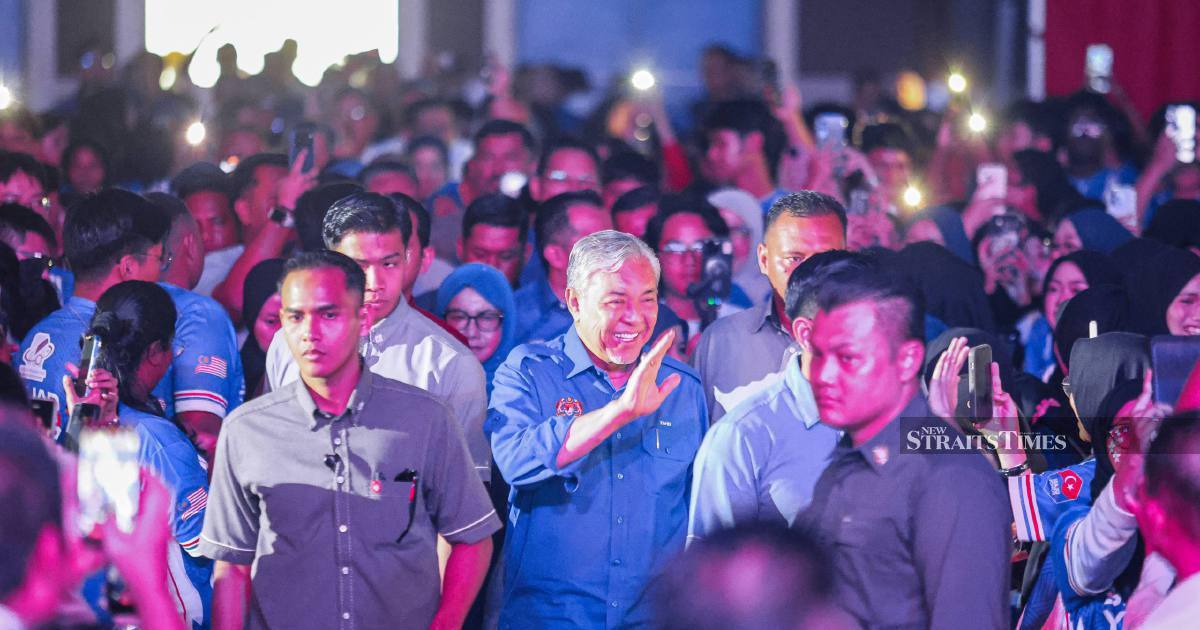
Barisan Nasional is making a concerted push to retain the confidence of Johor's young electorate by rallying support behind caretaker menteri besar Datuk Onn Hafiz Ghazi, positioning him as the central figure in the coalition's strategy for the July 11 state election. The appeal to youth voters underscores BN's recognition that generational backing will prove crucial in maintaining its influence over Malaysia's most industrialised state, where demographic shifts have reshaped electoral dynamics in recent years.
The mobilisation effort reflects broader concerns within the coalition about youth engagement and voter turnout among first-time and younger voters, who have demonstrated unpredictable voting patterns in successive elections. By framing Onn Hafiz as a continuity candidate capable of delivering tangible development outcomes, BN aims to offset potential defections to opposition parties that have successfully courted younger demographics through promises of systemic reform and anti-establishment messaging.
Onn Hafiz's positioning as the coalition's central campaign figure represents a calculated choice by BN strategists, who appear confident in his personal appeal and track record. His tenure as caretaker menteri besar has provided the coalition with opportunities to highlight infrastructure projects, economic initiatives, and administrative achievements that can be directly attributed to his leadership. The strategy assumes that concrete developmental benefits—visible through new highways, industrial zones, or educational facilities—will resonate more powerfully with pragmatic young voters than abstract political narratives.
Johor occupies a unique position within Malaysia's political landscape, straddling the role of economic powerhouse and traditional BN stronghold. The state's youth population has grown exponentially alongside its economic transformation, creating an electorate that is simultaneously more affluent and more demanding of their elected representatives. Young professionals in Johor's thriving manufacturing, logistics, and technology sectors have shown themselves willing to punish political parties perceived as corrupt or incompetent, making this demographic a volatile swing group.
The July 11 election date itself carries strategic implications, arriving during the school and university holiday season when younger voters may face fewer logistical barriers to participation. Both BN and opposition coalitions have likely calculated that higher youth turnout could favour their respective causes, depending on which side successfully mobilises their base. The timing also allows campaigns to extend into a period when students return to campuses, potentially offering multiple opportunities for direct voter engagement.
Historically, Johor has served as a bellwether state within Malaysia's federal system, with election outcomes often foreshadowing national political trends. A strong youth mandate for BN in Johor would signal the coalition's ability to appeal across generational lines and retain relevance among voters who came of age during periods of significant political upheaval and institutional questioning. Conversely, if opposition parties capture substantial youth support, it would suggest persistent structural challenges for BN despite efforts at renewal and rebranding.
The coalition's investment in youth outreach also reflects international trends where major political formations have struggled to maintain generational continuity. BN's traditional patronage networks and community organisations, which once effectively mobilised voters of all ages, have faced erosion through urbanisation and the rise of digital political communication. By backing a relatively younger menteri besar figure like Onn Hafiz, the coalition attempts to bridge this representational gap and counter perceptions of being an out-of-touch establishment institution.
Development messaging forms the cornerstone of BN's appeal to Johor youth, with party strategists emphasising that economic opportunity and infrastructure expansion represent more reliable voter concerns than ideological debates. The state has positioned itself as a gateway to the Asia-Pacific economic zone and a hub for emerging industries, narratives that connect directly to young voters' aspirations for high-quality employment and upward mobility. By associating Onn Hafiz with these success stories, BN frames support for the coalition as pragmatic self-interest rather than partisan loyalty.
Opposition parties face the challenge of countering these development narratives while offering their own vision for Johor's future. They typically emphasise themes of political accountability, transparent governance, and equitable distribution of resources—issues that resonate with educated urban youth who have witnessed high-profile corruption cases and institutional failures. The election will ultimately reflect whether BN's development credentials and institutional stability outweigh opposition promises of systemic transformation in capturing younger voters' imagination.
The broader Southeast Asian context reinforces the significance of Johor's youth vote, as the region experiences a generational transition in political preferences across multiple countries. Malaysia's younger citizens increasingly view politics through an economic lens, prioritising competence and delivery over traditional ethnic or religious appeals. This shift creates both opportunity and vulnerability for established parties like BN that must simultaneously maintain their traditional base while evolving their messaging for contemporary audiences.
The weeks leading to the July 11 election will likely see intensified competition for youth attention across digital platforms, university campuses, and industrial areas where younger workers concentrate. Both BN and opposition coalitions understand that the electorate Johor's young voters represent will shape not only state politics but potentially influence discussions about national government formation and coalition-building at the federal level. The outcome will provide valuable insights into whether BN's strategy of combining institutional stability with development promises can successfully compete for the allegiance of voters who came of age in a more fragmented and questioning political environment.

