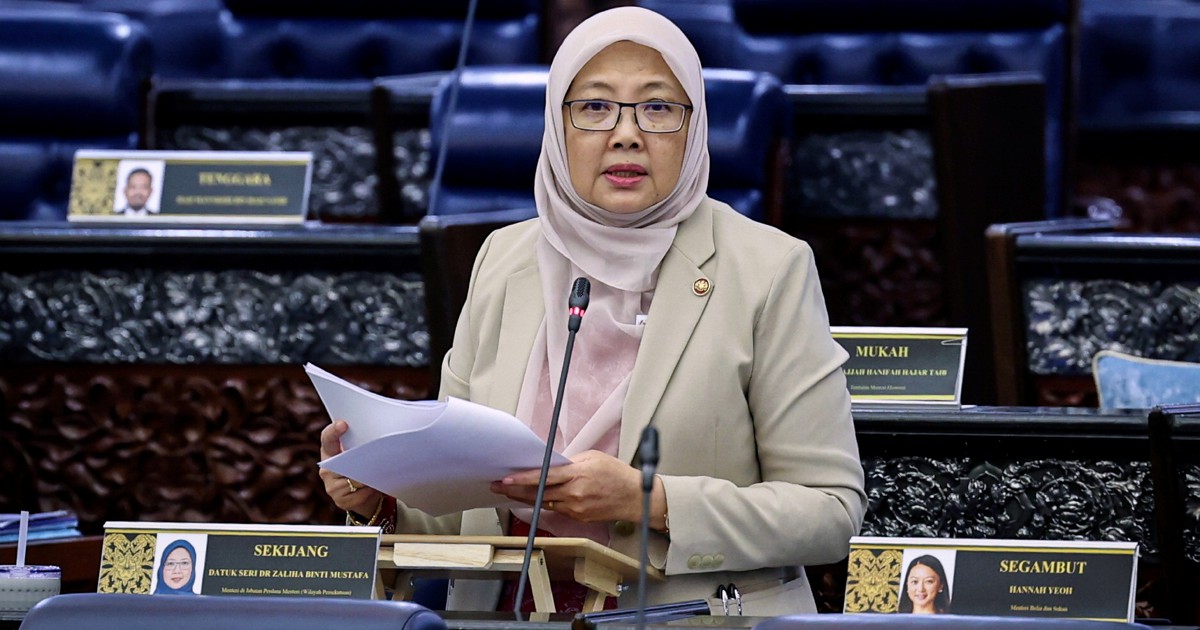
Datuk Dr Zaliha Mustafa, chairman of the Government Backbenchers Club, has publicly criticised Perikatan Nasional MPs for abandoning a special parliamentary session convened to examine the Royal Commission of Inquiry report into Lembaga Tabung Haji. The coordinated departure during proceedings in the Dewan Rakyat represented a significant parliamentary gesture, drawing rebuke from government benches for what was characterised as an abandonment of legislative responsibility on a matter affecting millions of Malaysian pilgrims and their savings.
The Royal Commission of Inquiry into Tabung Haji, the financial institution that manages deposits from intending pilgrims preparing for the Hajj journey, had completed its investigation into allegations of mismanagement and irregularities within the organisation. The presentation and subsequent parliamentary debate of these findings constituted a critical moment for legislative scrutiny, particularly given the sensitive nature of matters involving public funds entrusted to a religiously significant institution. The special sitting had been scheduled to allow lawmakers from both government and opposition benches an opportunity to examine the RCI's conclusions and recommendations.
The decision by Perikatan Nasional representatives to exit the chamber during discussions raised questions about the opposition coalition's engagement with governance issues that extend beyond conventional partisan politics. Tabung Haji, established to facilitate Muslim Malaysians' pilgrimage obligations, commands considerable public trust and concern, with hundreds of thousands of contributors maintaining accounts with the institution. Questions surrounding its stewardship therefore transcend ordinary political disagreement, touching upon matters of public accountability and fiduciary responsibility.
Datuk Dr Zaliha's intervention reflected broader government frustration with what officials characterised as obstructionist parliamentary tactics. As chairman of the BBC, she represented the sentiments of ruling coalition backbenchers who view active parliamentary participation as a fundamental responsibility, regardless of partisan affiliation. The criticism underscored tensions between government and opposition over the proper conduct of legislative business, particularly when addressing matters requiring bipartisan concern for public interest.
The Perikatan Nasional coalition, comprising PAS, Bersatu, and associated parties, has occupied an increasingly adversarial position in recent parliamentary sessions. The walkout during the Tabung Haji debate suggested a strategic decision to distance the opposition from the proceedings, potentially reflecting disagreement with the RCI's findings, the government's handling of the inquiry, or broader political calculations regarding parliamentary engagement. Such tactical decisions, however, often carry reputational costs when deployed against debates involving public resources and religious trust.
Tabung Haji's operational challenges and governance concerns have emerged intermittently over recent years, with various administrations facing pressure to address accumulated issues. The Royal Commission of Inquiry represented the government's formal response to demands for comprehensive investigation into the institution's management practices. Lawmakers across the political spectrum possessed legitimate interest in understanding the RCI's assessment and determining what corrective measures parliament might need to implement or oversee.
The timing of the parliamentary session reflected the government's determination to bring the RCI findings into public legislative record and debate. By convening a special sitting, authorities sought to elevate the discussion beyond routine parliamentary business, signalling the gravity with which the matter deserved treatment. This procedural emphasis made the opposition walkout all the more conspicuous, as it occurred during what officials framed as a designated opportunity for thorough legislative examination.
For Malaysian pilgrims and Tabung Haji contributors, the parliamentary debate held practical significance. Any legislative measures emerging from the RCI investigation and subsequent debate could affect how their savings were managed, what safeguards existed against future irregularities, and what oversight mechanisms parliament would establish. These considerations transcended partisan boundaries, as Tabung Haji depositors come from across the political spectrum, united primarily by their religious obligation and trust in the institution.
The incident illustrated broader challenges facing Malaysia's parliament regarding consensus-building on matters of genuine public concern. While oppositional roles require critical scrutiny of government actions, wholesale disengagement from legislative proceedings addressing institutional governance arguably undermined confidence in parliamentary capacity to address citizen concerns effectively. The walkout raised questions about whether political competition should be suspended during debates on matters affecting public welfare and trust.
Datuk Dr Zaliha's public statement served multiple purposes within the parliamentary ecosystem. It documented government dissatisfaction with opposition conduct for the record, potentially influencing public perception of which political actors remained committed to legitimate legislative functions. Her intervention also reinforced government messaging that opposition behaviour obstructed rather than advanced national interests, a politically significant framing as Malaysia navigated complex governance questions.
Moving forward, the episode highlighted the continuing difficulty in achieving parliamentary consensus on institutional oversight matters. The RCI's findings would require implementation and monitoring, tasks benefiting from broad legislative cooperation rather than partisan division. The Tabung Haji situation thus represented not merely a momentary parliamentary disagreement but a fundamental question about whether Malaysia's political institutions could address public trust issues through mechanisms of shared accountability rather than strategic obstruction.
The broader implications for Malaysian governance extended to questions about parliamentary maturity and the willingness of competing political coalitions to engage substantively with each other on matters affecting public confidence in national institutions. As Tabung Haji grappled with reconstruction of its operational framework following the RCI investigation, legislative continuity and bipartisan oversight would prove essential to restoring depositor confidence and institutional integrity.

