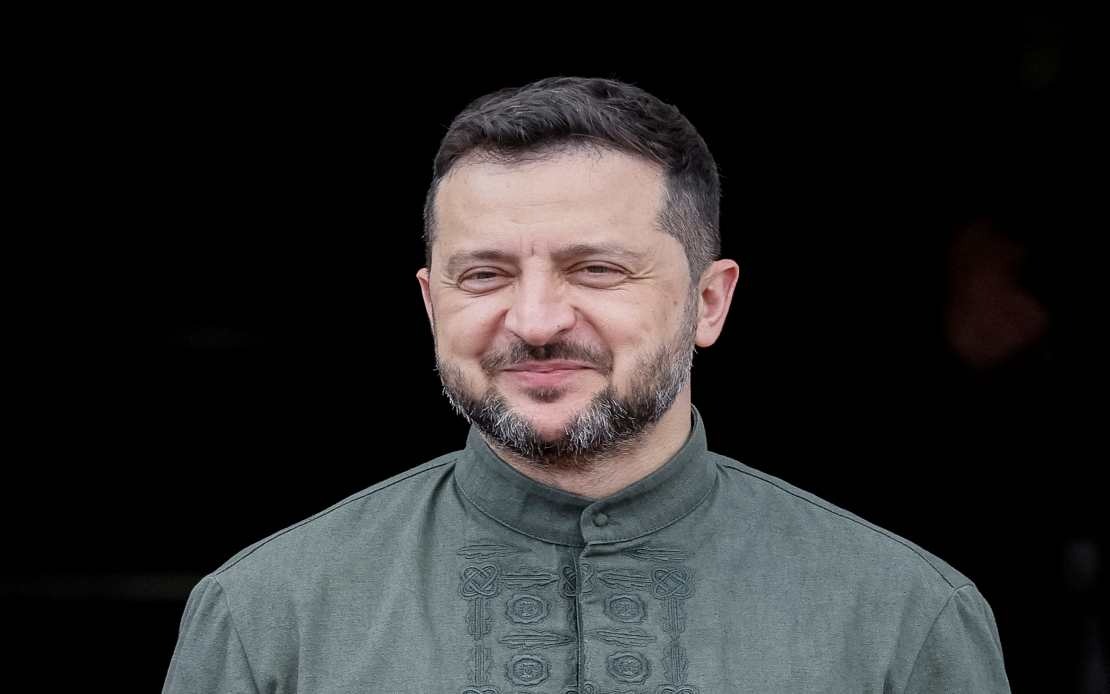
Ukrainian President Volodymyr Zelensky has formally signed into law a contentious bill creating a national pantheon dedicated to honouring Ukraine's historical heroes, a decision that has rattled relations with neighbouring Poland and drawn international scrutiny over how nations reckon with contested wartime legacies. The legislation, which parliament passed in July, establishes a state memorial in Kyiv that will commemorate figures spanning from medieval Kyivan Rus to modern independence advocates, with plans to eventually serve as a burial site for Ukrainian presidents.
At the heart of the dispute lies the intended veneration of members of the Ukrainian Insurgent Army, known by its Ukrainian acronym UPA, a nationalist underground resistance movement during World War II that Poland and historians worldwide have documented as responsible for massacring tens of thousands of Poles and Jews. The violence, concentrated primarily in the Volyn region of what is now western Ukraine during the German occupation, represents one of the darkest chapters in bilateral relations and remains a profound source of historical trauma for Polish society. By elevating UPA members to national hero status, Kyiv is making a deliberate choice about how it narrates its own struggle against foreign domination, even as this narrative collides sharply with how Poles remember the same period.
Zelensky defended the decision with unambiguous language, declaring before war veterans on Saturday that "the Ukrainian pantheon will definitely be built, and only Ukrainians will decide who is a hero for us." This statement encapsulates the nationalist sentiment driving the legislation—an assertion of Ukraine's sovereign right to define its own historical memory without external constraint. For Kyiv, these UPA figures represent fighters who resisted Nazi occupation and later Soviet control, making them symbolically central to Ukraine's identity as a nation perpetually defending itself against powerful neighbours. Yet this framing, however emotionally resonant domestically, deliberately sidesteps the inconvenient historical reality of mass civilian casualties inflicted by these same organisations.
Poland's response has been measured in public statement but unmistakable in its diplomatic consequences. The office of Polish President Karol Nawrocki issued a pointed rebuke following parliament's initial passage, arguing that honouring those convicted of genocide did not align with Ukraine's supposed westward orientation. This criticism reflects a fundamental disagreement about how post-conflict reconciliation should proceed, with Warsaw suggesting that genuine European integration demands confronting rather than sanitising difficult historical truths. The tension is not merely symbolic; it represents a clash between competing national narratives in a region where historical grievances remain politically active.
The deterioration accelerated dramatically in June when Zelensky awarded the military unit the honorary designation "Heroes of the UPA," prompting Warsaw to withdraw the Order of the White Eagle, a prestigious decoration it had previously bestowed on the Ukrainian president. This tit-for-tat exchange of honours and counter-withdrawals between Ukrainian and Polish officials underscored how deeply the rift had penetrated the relationship. Several politicians from both nations returned previously received distinctions, transforming a historical debate into active diplomatic severance that caught international observers off guard given the countries' supposed unified front against Russian aggression.
The timing of this conflict creates particular complications for Ukraine's strategic position. Poland has emerged as perhaps the most consistent and generous Western supporter of Kyiv's resistance, hosting millions of Ukrainian refugees, facilitating military aid flows, and providing robust diplomatic backing for international sanctions against Russia. Straining this relationship through deliberate memorialisation choices risks undermining one of Ukraine's most valuable partnerships precisely when it faces an existential military challenge. For Southeast Asian observers, the situation illustrates how historical memory politics can weaponise even among ostensible allies united against a common adversary, suggesting that shared enemies do not automatically resolve underlying civilisational or ethnic disputes.
The pantheon legislation also signals something deeper about Ukraine's post-war political trajectory. By insisting on unilateral authority over historical interpretation, Kyiv is rejecting the kind of joint historical commissions and reconciliation mechanisms that have helped other European neighbours process shared traumas. Countries like Germany and Poland, despite their brutal World War II history, eventually constructed frameworks for acknowledging mutual suffering and wrongdoing. Ukraine's approach instead prioritises national victimhood narratives and the rehabilitation of figures the West has long regarded as perpetrators of atrocities. This choice reflects both legitimate frustration with external pressure and a concerning reluctance to grapple honestly with nationalist violence in its own historical record.
For Malaysian and Southeast Asian readers, this dynamic offers instructive parallels regarding how nations navigate contested histories in plural societies. Just as Ukraine must reckon with how UPA veneration affects its relationship with ethnic Polish minorities and international standing, multiethnic nations throughout Asia must balance majority historical narratives with minority perspectives and international obligations. The Ukrainian case demonstrates that simply asserting sovereign prerogative over historical memory, without acknowledging the legitimate grievances of others, can isolate nations diplomatically and morally undermine their international credibility, particularly when seeking integration into Western institutions that claim to value human rights and historical accountability.
The pantheon project, scheduled for construction in Kyiv, thus represents far more than a memorial initiative. It embodies a fundamental question about whether post-conflict societies can be integrated into Western institutions while maintaining unreconstructed relationships with contested pasts. As Ukraine's European ambitions depend increasingly on demonstrating alignment with Western values, the decision to monumentalise figures convicted of genocide sends a contradictory signal that may haunt its accession prospects for years to come. Poland's deepening displeasure risks creating domestic political obstacles to Ukrainian EU membership and NATO integration, potentially limiting Kyiv's strategic options beyond the immediate military crisis.
The controversy also exposes limitations in the solidarity coalition supporting Ukraine. While the West united against Russian invasion, differences over how to remember World War II and how to treat perpetrators of nationalist violence remain unresolved. These fault lines, long buried beneath the urgency of collective defence, are now surfacing as Ukraine consolidates its post-war identity. Whether Kyiv will ultimately moderate its approach or persist in prioritising nationalist memory politics over reconciliation remains uncertain, but the trajectory so far suggests Ukraine has chosen the latter path, consequences notwithstanding.

