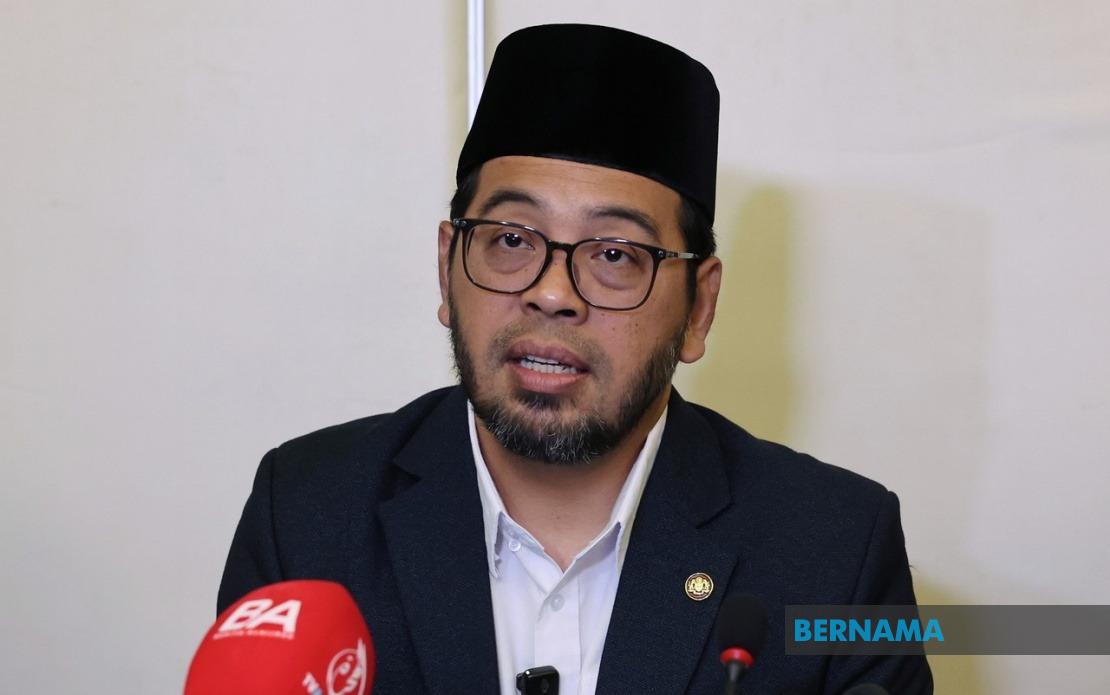
The Dewan Rakyat will convene for a special parliamentary sitting tomorrow morning to examine the highly anticipated Royal Commission of Inquiry report on Lembaga Tabung Haji, with Religious Affairs Minister Dr Zulkifli Hasan scheduled to deliver the ministerial briefing on the 211-page document. The inquiry, which scrutinised the Islamic pilgrimage fund's management and operational practices across a six-year period from 2014 to 2020, has already generated substantial parliamentary interest, with Communications Minister Datuk Seri Fahmi Fadzil confirming that upwards of 40 lawmakers have registered their intention to contribute to the subsequent debate.
Zulkifli, who leads the Religious Affairs portfolio within the Prime Minister's Department, announced his participation through a short video statement distributed to news outlets, indicating that he and Finance Minister II Datuk Seri Amir Hamzah Azizan would jointly handle the concluding remarks following the legislative exchange. This dual ministerial involvement underscores the inquiry's significance not merely as a religious institution matter but as one touching upon broader financial governance and accountability frameworks within the Malaysian public sector. The morning session, commencing at 10 am, will provide parliament with its first opportunity to formally scrutinise the findings in depth since the government elected to release the report to public knowledge on 29 July.
The Cabinet's decision to make the RCI findings publicly available marks a notable shift towards transparency regarding the pilgrim fund's affairs, which have long attracted scrutiny given Tabung Haji's role as custodian of savings for hundreds of thousands of Malaysian Muslims preparing for the hajj pilgrimage. By opening the deliberations to parliamentary examination and public debate, the government has signalled a commitment to accountability mechanisms that extend beyond closed-door administrative reviews. This transparency stance carries implications for how similar inquiries into state institutions might be handled in future, potentially establishing a precedent for greater disclosure of findings involving matters of significant public concern.
The report's emergence follows years of allegations and concerns regarding investment losses, governance lapses, and operational inefficiencies at Tabung Haji. The decision to conduct a Royal Commission of Inquiry represented an acknowledgment that the issues warranted independent investigation beyond routine ministerial oversight. The six-year examination window itself is telling, capturing a period that encompasses significant economic fluctuations and shifts within Malaysia's financial regulatory environment, providing the inquiry with substantial temporal scope to identify systemic problems rather than isolated incidents.
Zulkifli's statement that "the Cabinet has also indicated that action should be taken against those involved in the case" signals that the inquiry findings may lead to administrative or potentially legal consequences for individuals identified as bearing responsibility for deficiencies. This caveat suggests the report contains specific recommendations regarding accountability measures, though the nature and scope of such actions remain unclear pending the parliamentary briefing. The prospect of consequences lends weight to the parliamentary debate, as lawmakers will seek clarity on how implementation of such measures will proceed and what mechanisms exist to ensure follow-through.
The anticipated participation of over 40 MPs reflects genuine parliamentary engagement with an issue affecting millions of Malaysian pilgrims and their families. Members will likely probe the inquiry's findings regarding asset management strategies, transparency in decision-making processes, and the adequacy of oversight mechanisms. Given Malaysia's diverse political composition, the debate may reveal differing perspectives on whether failings stemmed from technical mismanagement or more systemic governance problems within religious institutions under government administration.
For Malaysian Muslims, many of whom maintain accounts with Tabung Haji as a savings mechanism designated specifically for hajj expenses, the report carries direct personal significance. The inquiry's focus on management practices and operational conduct between 2014 and 2020 encompasses periods during which some account holders experienced investment losses or reduced returns relative to expectations. Understanding the causes identified by the Commission becomes essential for restoring public confidence in the institution and ensuring that remedial measures address root causes rather than symptoms.
The special parliamentary sitting represents an important governance mechanism through which the legislative branch can fulfill its constitutional duty to scrutinise executive actions and institutional performance. By dedicating dedicated parliamentary time to the RCI report, lawmakers demonstrate that accountability mechanisms extend beyond executive review, creating a public record of government responses to inquiry findings. This transparency serves broader democratic principles whilst enabling constituents to track how institutions they entrust with their savings are being managed and reformed.
The involvement of both the Religious Affairs and Finance portfolios in the parliamentary response indicates that addressing the inquiry's findings will require coordination across multiple government agencies. Financial governance within religious institutions involves complex intersections between theological considerations, fiduciary responsibilities, and regulatory compliance, requiring expertise spanning both domains. The joint ministerial presence signals recognition that sustainable reform requires integrated policy responses rather than siloed departmental action.
As parliament prepares to engage with the RCI report, the focus will extend beyond identifying past failures to establishing frameworks ensuring future compliance with governance standards. The inquiry's recommendations likely address institutional structures, decision-making processes, transparency measures, and oversight mechanisms. How comprehensively parliament debates these recommendations and what timeline emerges for implementation will substantially influence whether the process restores institutional credibility or suggests that systemic concerns remain inadequately addressed.

