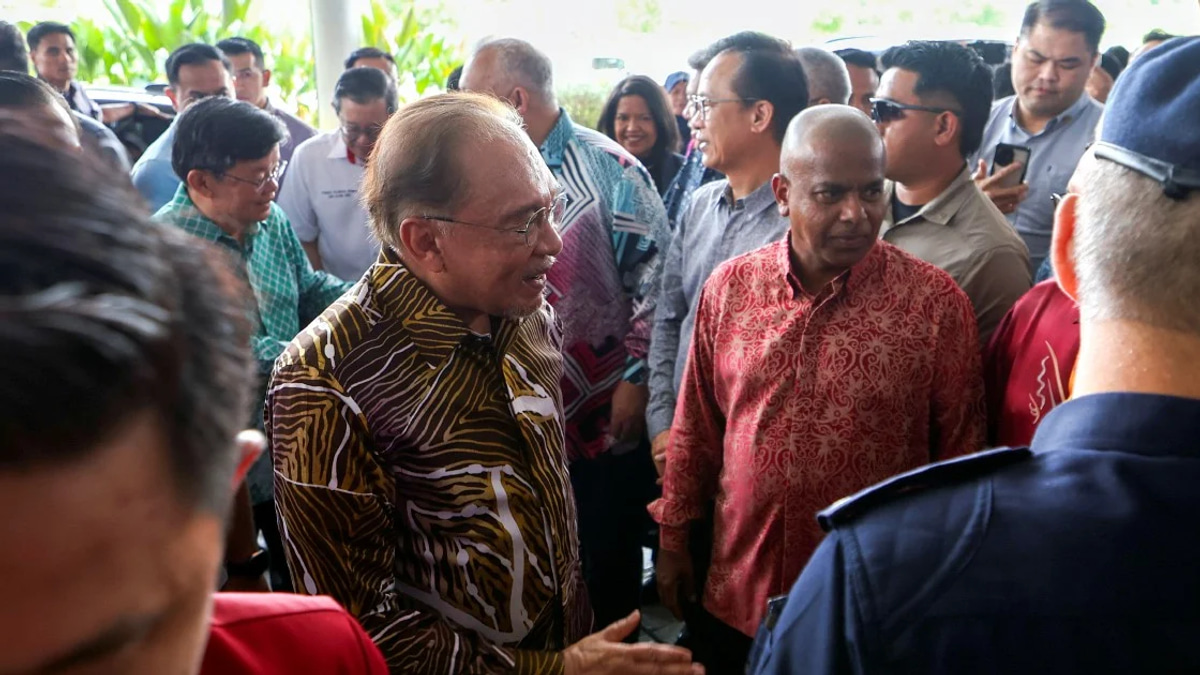
The Malaysian government has formalized the appointment of 95 MADANI Community leaders across the northern states of Kedah and Perlis in a ceremony held in Alor Setar on June 20. This initiative represents an institutional effort to institutionalize two-way dialogue between federal and state administrations and the communities they serve, with particular emphasis on ensuring grassroots populations receive timely, accurate information about government programmes and policy developments. Of the total cohort, 68 representatives were selected from Kedah, while Perlis contributed 27 leaders to this nationwide network.
According to Abdullah Izhar Mohamed Yusof, Political Secretary to the Communications Minister, this expansion of the MADANI Community leadership structure reflects a broader governmental strategy to elevate communication standards at the hyperlocal level. The appointment process signals the administration's determination to create tangible channels whereby citizens can voice concerns, grievances, and suggestions that feed directly into policy formulation and resource allocation decisions. By placing trained intermediaries within communities themselves, the government seeks to eliminate information asymmetries that historically plague the dissemination of development initiatives to underserved populations.
The scope of responsibilities assigned to these newly appointed leaders extends well beyond conventional information dissemination. These individuals function as critical nodes in the government's assistance infrastructure, helping identify and reach eligible households for programmes including Sumbangan Tunai Rahmah (STR), Sumbangan Asas Rahmah (SARA), and Budi MADANI support schemes. By embedding community representatives within neighbourhood networks, administrators can more efficiently target vulnerable segments of the population who might otherwise remain unaware of available entitlements or lack the bureaucratic knowledge required to access them. This targeted approach theoretically reduces administrative waste and ensures that scarce resources reach intended beneficiaries rather than dispersing across ineligible populations.
Yusof emphasized that effective communication transcends mere message transmission; it demands that information be comprehended, accepted as credible, and ultimately converted into tangible community benefit. MADANI Community leaders occupy a unique structural position as trusted local figures capable of bridging the traditional communication divide between governmental institutions and ordinary citizens. Their role encompasses explaining new policies in accessible language, translating technical regulatory frameworks into practical guidance, and addressing public confusion that emerges when complex programmes launch without adequate grassroots explanation.
A critical mandate assigned to these community leaders involves combating the proliferation of false information at the neighbourhood level. In an era where digital technologies enable rapid dissemination of misleading content, the appointment of dedicated misinformation response agents represents a defensive governmental strategy. Yusof highlighted the concerning ease with which deepfake technologies and fabricated videos can now be produced, creating media artefacts nearly indistinguishable from authentic recordings. These leaders are positioned to serve as local credibility filters, encouraging residents to verify information before amplifying it through social networks.
The digital literacy dimension of this appointment scheme addresses a structural vulnerability within Malaysian society. Rapid technological adoption has created knowledge gaps whereby older and less-educated populations struggle to navigate online platforms safely. Scams, cyberbullying, and artificial intelligence misuse represent growing social harms that require localized intervention. By designating community leaders as digital literacy advocates, the government attempts to build resilience within neighbourhoods themselves rather than relying solely on top-down public awareness campaigns that often fail to penetrate traditional communities.
Under Prime Minister Datuk Seri Anwar Ibrahim's administration, communication has been elevated as a strategic governmental priority. This reflects recognition that policy efficacy depends not merely on legislative design but on successful implementation at the community level. Programmes may be technically sound and fiscally generous, yet fail to deliver intended outcomes if target populations lack awareness or understanding. The appointment of 95 community leaders across two northern states signals commitment to systematic communication infrastructure development.
For Malaysian policymakers, this model offers insights into decentralized governance implementation. Rather than concentrating communication functions within central media agencies, the MADANI approach distributes responsibilities to hyperlocal actors embedded within their own communities. This architecture theoretically increases responsiveness to regional variations in population composition, economic conditions, and cultural contexts. Kedah and Perlis leaders can tailor messaging and assistance approaches to specific local circumstances rather than applying uniform national templates.
The appointment initiative also carries implications for how Southeast Asian democracies conceptualize citizen engagement. Malaysia's approach emphasizes formal institutional channels and designated intermediaries rather than organic community mobilization. While this provides administrative clarity and governmental control, it raises questions about whether designated leaders genuinely represent grassroots perspectives or function primarily as top-down transmission mechanisms. Sustainability of the programme depends on whether communities perceive these leaders as authentic representatives or bureaucratic appointees.
Looking forward, the success of this expanded community leadership network will be measured through multiple indicators: whether eligible households successfully access available assistance programmes, whether misinformation circulating within communities diminishes, and whether community leaders effectively channel local concerns upward to governmental decision-makers. The appointment of 95 individuals represents institutional infrastructure; meaningful impact requires these leaders to function effectively as bidirectional communication conduits rather than merely distributing governmental messaging.