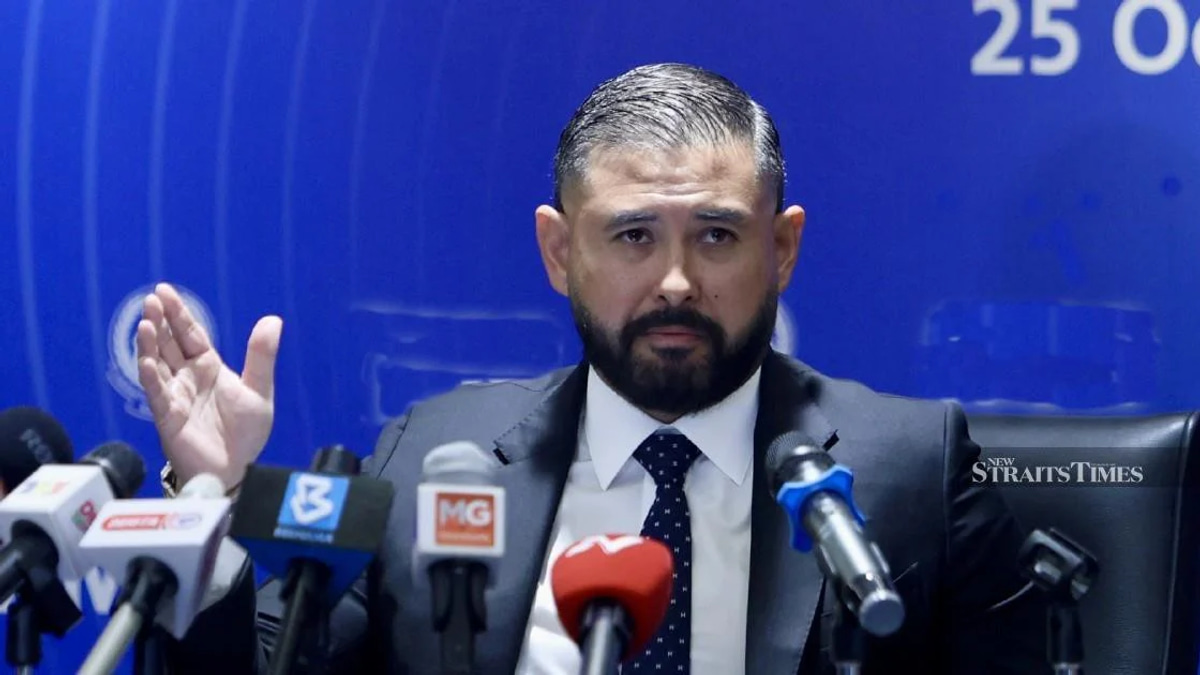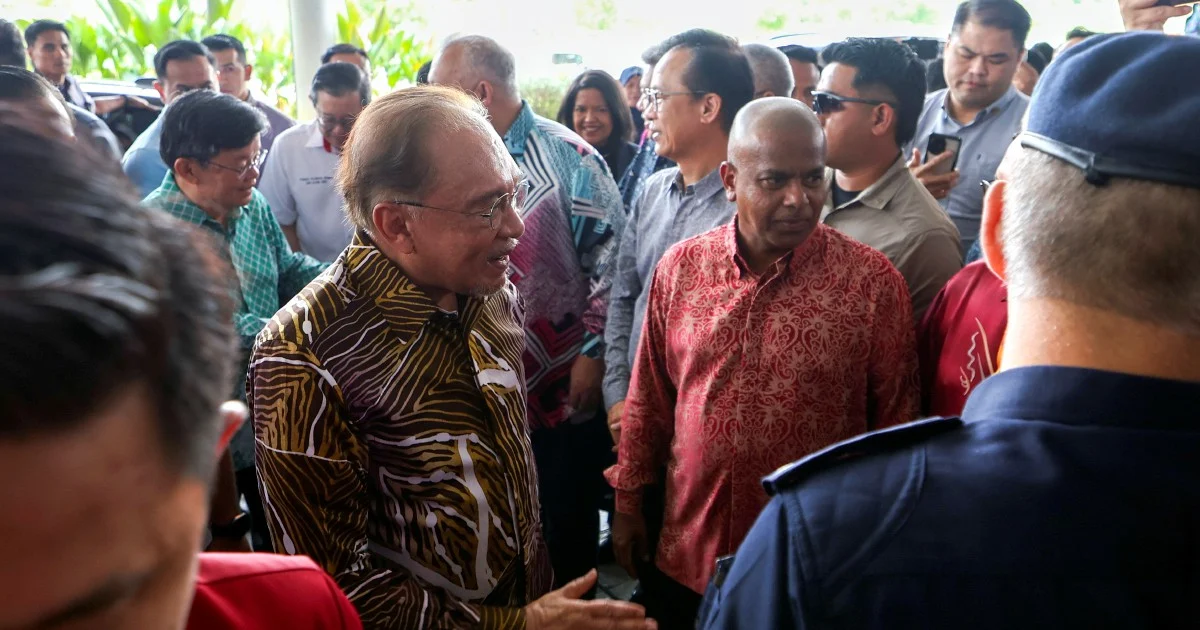
Prime Minister Datuk Seri Anwar Ibrahim has hailed Petronas's acquisition of two substantial gas fields in Turkmenistan as a transformative moment for Malaysia's energy security framework. Speaking in Permatang Pauh, Anwar characterised the deal as representing a critical stepping stone in the nation's efforts to diversify its hydrocarbon portfolio and reduce dependence on existing regional suppliers. The award signals a growing recognition of Malaysian expertise in upstream energy operations and reflects the nation's expanding footprint in global energy markets beyond its traditional Southeast Asian base.
The significance of this Central Asian expansion cannot be overstated for Malaysia's medium to long-term energy planning. As domestic production from the Peninsular Malaysia fields gradually declines, securing stakes in alternative sources becomes increasingly vital for maintaining energy self-sufficiency and supporting industrial growth. Turkmenistan possesses some of the world's largest proven natural gas reserves, positioning this acquisition as strategically valuable for a nation that has historically relied on its own Petronas-operated fields in the South China Sea and the Sarawak region.
Petronas's successful bid to develop these fields represents a validation of the national oil company's technical capabilities and project management expertise on the international stage. The corporation has spent decades building operational proficiency in deepwater and complex offshore environments, skills directly applicable to Turkmenistan's energy infrastructure challenges. This recognition by Ashgabat's government underscores how Southeast Asian energy companies can compete effectively with European and Russian counterparts in accessing Central Asian resources, a region historically dominated by post-Soviet players and Chinese investors.
The geopolitical dimension of this arrangement warrants attention from Malaysian policymakers and energy analysts. Turkmenistan's decision to engage Petronas alongside or instead of traditional Russian and Chinese operators suggests a deliberate strategy by Ashgabat to diversify its commercial partnerships and reduce over-reliance on established players in its sector. For Malaysia, this opening represents an opportunity to build closer bilateral ties with a nation controlling vast energy reserves, potentially strengthening economic and political relationships across the Eurasian sphere.
From a commercial perspective, gas field development in Turkmenistan offers Petronas valuable exposure to projects with extended reserve life and stable long-term production profiles. Unlike the finite nature of many Southeast Asian reserves, which typically provide 15 to 30 years of production life, Central Asian gas fields often support economic extraction for 50 years or longer. This extended operational horizon provides Petronas with predictable cash flows for decades, crucial for funding shareholder returns, reinvestment in exploration, and support for Malaysia's energy transition agenda.
The timing of this announcement coincides with global energy market volatility and shifting international relationships affecting oil and gas development. While Western companies have stepped back from Russian operations, and Chinese involvement in Central Asia remains strategically complex, Malaysian players have positioned themselves as neutral, technically competent partners attractive to host governments seeking diversified working relationships. Petronas can thus benefit from a favourable business environment while other international majors face constraints or strategic recalculations.
For Malaysia's downstream energy sector and power generation industry, securing long-term access to competitively priced Central Asian gas holds tangible benefits. Liquefied natural gas supplies from these fields could eventually feed Malaysia's LNG export terminals or domestic consumption, providing an alternative to purchasing on global spot markets. This supply diversification would enhance energy cost predictability for major industrial consumers and electricity producers dependent on gas-fired generation to meet growing demand from Southeast Asia's rapidly expanding economies.
The Petronas achievement also carries implications for Malaysian workers and service providers in the energy sector. Major gas field development requires substantial engineering, construction, and operational support from supply chain partners. Malaysian firms with expertise in offshore logistics, fabrication, and project management stand to benefit from opportunities to participate in Turkmenistan projects, generating employment and building industry capabilities that strengthen Malaysia's positioning as a regional energy services hub.
Looking forward, Anwar's public endorsement of this deal reflects the Malaysian government's commitment to supporting Petronas's international expansion strategy and treating energy security as a cornerstone of national economic resilience. The broader policy implication suggests Malaysia views energy sovereignty not solely through the lens of domestic production, but as a diverse portfolio of interests and investments spanning multiple regions. This multilateral approach to energy procurement reduces vulnerability to supply disruptions or price shocks affecting any single source or geographic region.
Industry observers note that successful execution of the Turkmenistan projects will be critical for validating this strategic approach. Delivering production targets on schedule and within budget will demonstrate Petronas's capacity to manage complex assets in unfamiliar regulatory environments, potentially opening doors to additional opportunities across Central Asia, the Caucasus, and beyond. Conversely, any operational challenges could affect Malaysia's reputation as a reliable energy partner in regions where relationships and track records carry substantial weight in future licensing decisions.
For Southeast Asian energy security more broadly, Petronas's Central Asian footprint contributes to regional energy stability by increasing aggregate supply sources accessible to ASEAN nations. Malaysia's status as a developed energy sector participant elevates its voice in regional discussions about energy cooperation, infrastructure development, and transition pathways aligned with global climate commitments. This expanded platform strengthens Malaysia's ability to shape energy governance frameworks affecting the wider region.
%22%2F%3E%3C%2Fpattern%3E%3C%2Fdefs%3E%3Crect%20width%3D%22100%25%22%20height%3D%22100%25%22%20fill%3D%22url(%23ph57okug)%22%2F%3E%3Crect%20width%3D%22100%25%22%20height%3D%22100%25%22%20fill%3D%22url(%23ph57okup)%22%2F%3E%3Ctext%20x%3D%2250%25%22%20y%3D%2250%25%22%20text-anchor%3D%22middle%22%20dominant-baseline%3D%22central%22%20fill%3D%22rgba(255%2C255%2C255%2C0.95)%22%20font-family%3D%22Georgia%2C%20'Times%20New%20Roman'%2C%20serif%22%20font-weight%3D%22700%22%20font-size%3D%22194%22%20letter-spacing%3D%22-0.02em%22%3EMorocco%3C%2Ftext%3E%3C%2Fsvg%3E)