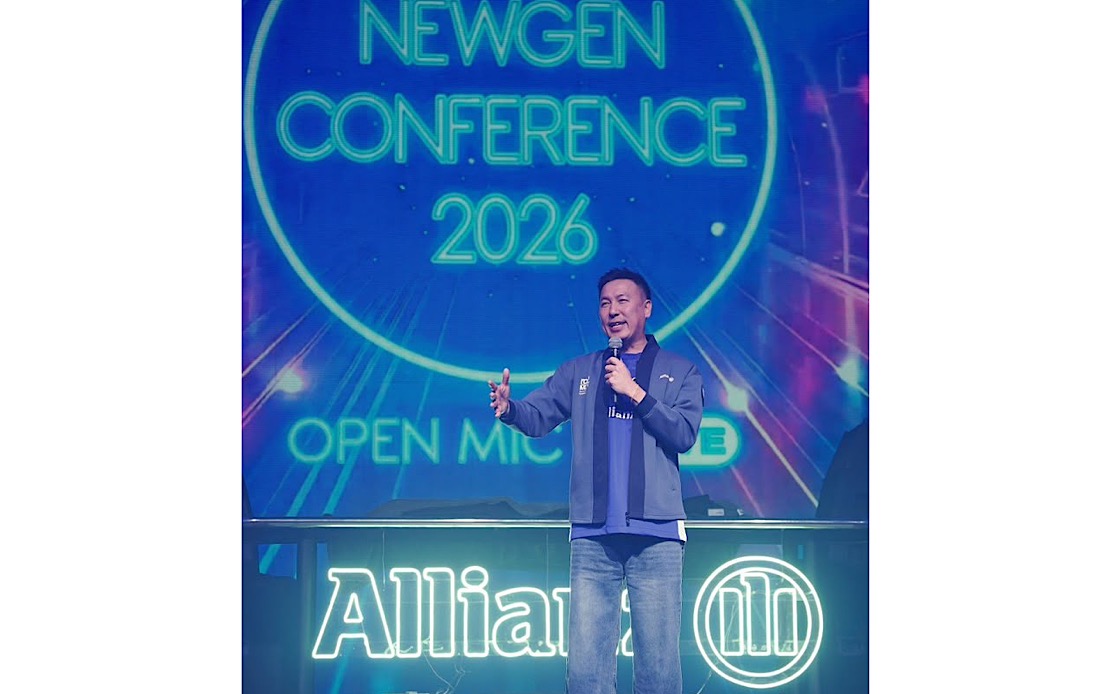
Allianz Life Insurance Malaysia Bhd has achieved a significant milestone in nurturing emerging talent within its agency force, with 45 members of its NewGen Community securing qualification for the prestigious Million Dollar Round Table (MDRT) in 2025. The achievement, announced through company statements, underscores the effectiveness of targeted mentorship programmes in accelerating professional development among young financial consultants entering Malaysia's competitive insurance sector. One of these qualifiers also attained Court of the Table (COT) recognition, representing the highest distinction within MDRT rankings and reflecting exceptional achievement in the field.
The NewGen Community initiative, formally established in April 2025, represents Allianz Life's strategic response to identifying and retaining talented entrepreneurs at the critical early stages of their careers. Beyond the MDRT qualifiers, an additional nine community members advanced to Allianz Centurion Producer status by recording more than 100 issued cases each—a benchmark reflecting both productivity and client engagement across the insurance industry. These dual achievements demonstrate that structured support mechanisms can materially influence career trajectories and earnings potential for young professionals who might otherwise struggle to establish themselves in financial services.
Three agents emerged as particular exemplars within the cohort: Sharon Yong, Victorya Chan and Olivia Lee each secured the NewGen Grand Slam Award within their initial three years—a distinction recognising simultaneous achievement of MDRT qualification, Allianz Centurion Producer status, Million Dollar Unit or Group Builder Pacesetter recognition, and A4CC membership. The trio were feted at the inaugural NewGen Conference 2026, held in June, where Allianz Life Changers from across Malaysia convened to celebrate success, inspire prospective recruits and solidify institutional support for emerging agency leaders. This ceremonial recognition extends beyond monetary rewards, legitimising the professional pathways available to newcomers and demonstrating organisational commitment to generational advancement.
The NewGen Community framework addresses persistent industry challenges in attracting and retaining younger entrants to insurance distribution. Traditional pathways often require extended periods before agents achieve profitability or recognition; the community's structured approach—combining formal training, mentorship pairings, networking opportunities and leadership development—compresses this timeline significantly. For aspiring financial consultants uncertain about career viability or lacking established industry networks, such scaffolding fundamentally alters calculus regarding professional commitment and persistence through early, typically lean years.
Raymond Cheah, Allianz Life's Chief Sales Officer, characterised the community's achievements as validation of the company's investment thesis: ambitious individuals, when provided appropriate developmental infrastructure and mentoring relationships, generate exceptional outcomes for themselves and their organisation. His commentary signals institutional recognition that Malaysia's insurance distribution sector faces recruitment headwinds despite attractive entrepreneurial economics, and that competitive advantage accrues to employers who systematically address capability gaps among inexperienced agents during formative employment years.
Frontline practitioners like Sharon Yong articulate how community membership directly translated theoretical industry knowledge and technical training into practical confidence and goal realisation. Her narrative—moving from minimal sector experience to achieving multiple professional distinctions—illustrates that capability gaps among newcomers are not immutable but rather remediable through intentional mentorship and peer solidarity. This personal validation from successful participants carries credibility with prospective recruits considering entry into the industry, potentially enhancing recruitment effectiveness and reducing onboarding attrition.
Beyond formal training curricula, the NewGen Community emphasises social dimension through initiatives including the nationwide NewGen Conference and regional NewGen Gatherings. These gatherings serve dual purposes: they facilitate knowledge exchange among cohort members while cultivating organisational culture and shared identity among young agents. For professionals operating within geographically dispersed distribution networks, such periodic convenings create belonging and accountability—factors often overlooked in purely transactional training approaches but empirically significant for retention and sustained motivation.
The proliferation of these support mechanisms reflects broader labour market realities facing Malaysian financial services. Younger professionals increasingly prioritise flexibility, purposeful work and entrepreneurial autonomy—characteristics insurance agent roles can authentically provide but which traditional corporate hierarchies cannot. By explicitly designing community structures around these values, Allianz Life appeals to demographic segments reluctant toward conventional employment, thereby expanding its recruiting aperture and accessing talent pools competitors may overlook through conventional marketing approaches.
The NewGen Community's expansion and documented success invites consideration of scalability and market implications. If Allianz Life's model produces measurable outcomes—evidenced by MDRT qualification rates substantially above industry norms for new entrant cohorts—competitive pressure may compel rival insurers to establish comparable infrastructure. This dynamic would elevate industry baseline expectations for new agent support, benefiting practitioners across Malaysia's insurance distribution landscape while intensifying competition for recruit talent among insurance organisations.
From a Malaysian regulatory and employment perspective, the NewGen Community exemplifies private sector initiatives addressing skills development and youth employment without direct government intervention. As Malaysia navigates economic transitions and skills transformation imperatives articulated in national development frameworks, examples of employer-sponsored career pathways merit attention from policymakers monitoring workforce development effectiveness across sectors. Insurance distribution, employing tens of thousands and generating substantial economic activity, represents a consequential labour market segment where retention and capability advancement directly influence consumer service quality and financial security outcomes for Malaysian households.
The programme's success metrics—45 MDRT qualifiers, three Grand Slam Award recipients—provide quantifiable evidence that structured mentorship models yield measurable professional advancement. However, contextualising these figures within total NewGen Community membership and broader Allianz Life recruitment volumes would clarify conversion rates and sustainability. Nevertheless, the company's willingness to publicise achievements reflects confidence in its framework and strategic signalling to prospective recruits regarding realistic career progression possibilities.
Looking forward, the establishment of NewGen Community as a permanent organisational fixture—rather than experimental initiative—signals Allianz Life's commitment to generational continuity and long-term workforce sustainability. As Malaysia's demographics shift and younger cohorts increasingly comprise the workforce, insurance organisations that successfully compete for emerging talent through systematic capability development will likely gain competitive advantage through agent retention, productivity and customer satisfaction benefits. The NewGen Community's documented achievements provide a template worth monitoring as the Malaysian financial services industry adapts to generational transitions and evolving professional expectations among practitioners entering the sector.

