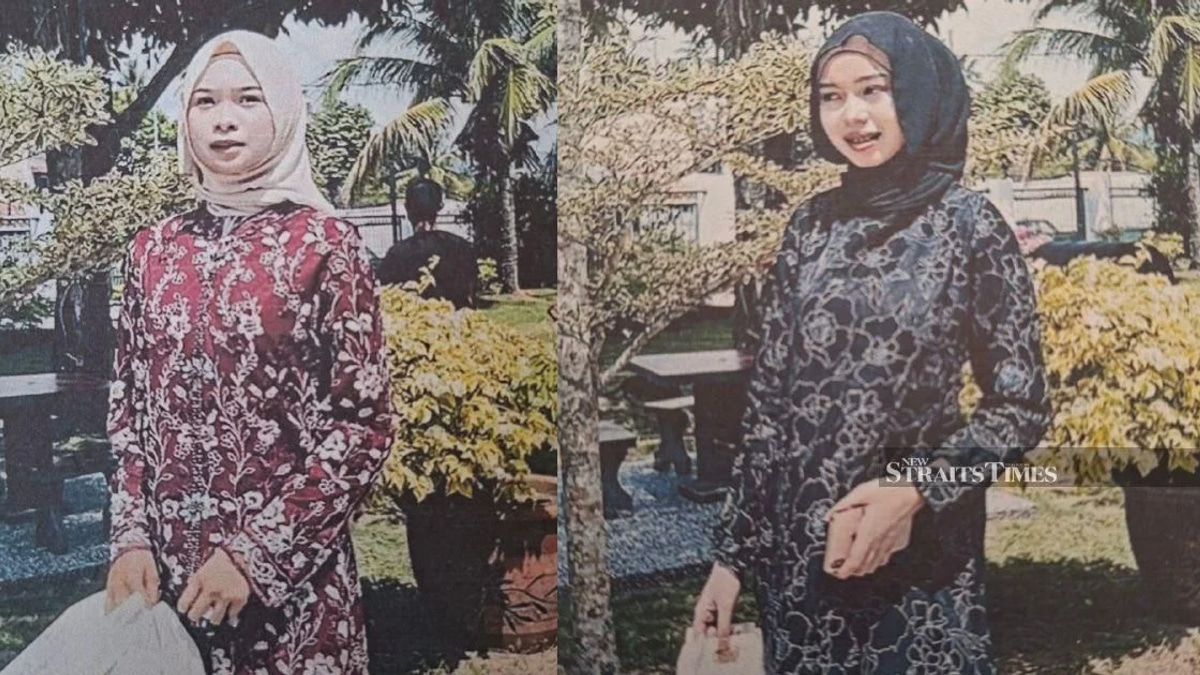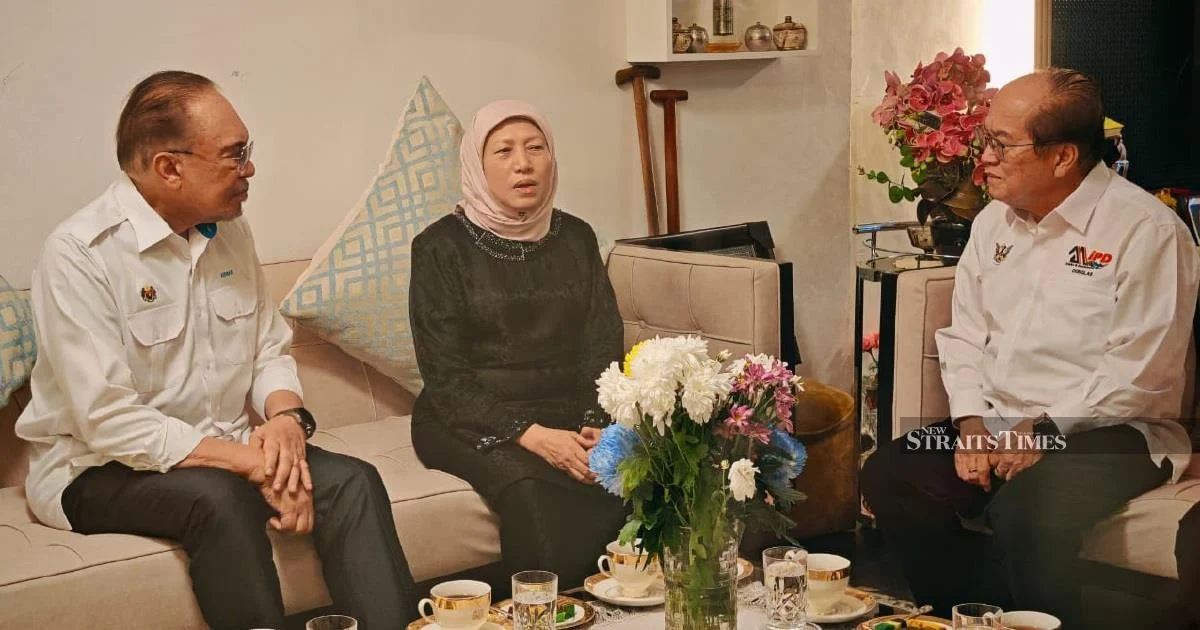
Prime Minister Datuk Seri Anwar Ibrahim travelled to Kuching to pay his personal respects to Women, Family and Community Development Minister Datuk Seri Nancy Shukri, whose husband Datuk Kamil Misuari has recently passed away. The visit, conducted in his capacity as both the nation's chief executive and a colleague in government, underscores the conventions of Malaysian political leadership when responding to the personal losses affecting senior ministers and their families.
Such condolence visits form an important part of Malaysia's political and cultural fabric, reflecting the weight placed on personal relationships and the formal acknowledgement of grief within the corridors of power. The gesture by Anwar demonstrates the expectation that leadership involves not merely policy-making and administration, but also the ceremonial and emotional support that accompanies high office. Ministers, regardless of their portfolio, occupy a distinct social standing that typically warrants such formal recognition when they experience family bereavement.
Nancy Shukri holds one of the federal government's most significant ministerial positions, overseeing women's affairs, family matters, and community development initiatives across Malaysia. Her portfolio encompasses critical areas including women's welfare, family support systems, and social cohesion programmes that touch millions of Malaysian lives. The loss of a spouse represents a profound personal challenge for any individual, yet for those in ministerial positions, such matters inevitably intersect with their professional responsibilities and public visibility.
The timing and location of the visit in Kuching carry particular relevance to Nancy Shukri's representation. As a Sarawak-based minister, her constituency and personal networks are deeply rooted in the state, making Kuching the natural setting for family matters and community acknowledgements. The Prime Minister's decision to travel to Sarawak for this purpose also reflects the political importance of maintaining strong ties with the state and its senior representatives within the federal government.
Datuk Kamil Misuari's passing removes a family member from the private sphere of a public figure whose work involves significant ministerial demands. The balance between public duty and personal grief represents an ongoing challenge for high-ranking government officials. In Malaysian culture and religious tradition, the immediate period following a death requires substantial family presence and observance of funeral rites, which can temporarily remove attention from official duties depending on individual circumstances and personal choice.
The courtesy extended by the Prime Minister's visit serves multiple functions within Malaysia's political ecosystem. First, it acknowledges the human dimension of political life, recognising that ministers remain individuals with families and personal vulnerabilities. Second, it strengthens institutional bonds among the leadership, demonstrating solidarity during difficult periods. Third, it provides public assurance regarding the stability and cohesion of the government, showing that personal matters, while acknowledged and respected, do not destabilise the administration's functioning or relationships.
For Nancy Shukri, who has established herself as a prominent female voice in Malaysian politics and governance, the support from her Prime Minister during this period carries practical and symbolic weight. Women in senior political and ministerial roles across Southeast Asia often navigate additional scrutiny regarding their capacity to balance family and professional responsibilities. The visible support from the nation's top political leader helps contextualise her personal situation within the broader framework of governmental solidarity rather than allowing grief to be instrumentalised for alternative political purposes.
The visit also occurs within the context of Malaysia's ongoing political stability and coalition management. Maintaining strong relationships between the Prime Minister's office and key ministers across different states and backgrounds remains essential for effective governance. Sarawak, as one of Malaysia's largest and most significant states, commands particular attention in federal political calculations, making the status and wellbeing of prominent Sarawak-based ministers matters of broader governmental concern.
In the contemporary Malaysian political environment, such gestures carry added significance given the frequent scrutiny of government cohesion and leadership dynamics. Public demonstrations of respect and support among senior figures help reinforce narratives of unified governance and professional camaraderie. Conversely, the absence of such courtesies can become fodder for speculation about internal tensions or fractured relationships, making these ceremonial occasions increasingly important for maintaining positive governmental optics.
The condolence visit represents a relatively private moment within Nancy Shukri's official life, though it unfolds within a political context where such moments are inevitably observed and interpreted. For her ministry's work on family matters and community development, the current period will likely require temporary adjustments or delegation of responsibilities, though the specific operational impact remains a matter of internal government management. The broader message conveyed is that the Malaysian government recognises and respects the human circumstances of those serving in its highest offices.
%22%2F%3E%3C%2Fpattern%3E%3C%2Fdefs%3E%3Crect%20width%3D%22100%25%22%20height%3D%22100%25%22%20fill%3D%22url(%23ph5pwjeg)%22%2F%3E%3Crect%20width%3D%22100%25%22%20height%3D%22100%25%22%20fill%3D%22url(%23ph5pwjep)%22%2F%3E%3Ctext%20x%3D%2250%25%22%20y%3D%2250%25%22%20text-anchor%3D%22middle%22%20dominant-baseline%3D%22central%22%20fill%3D%22rgba(255%2C255%2C255%2C0.95)%22%20font-family%3D%22Georgia%2C%20'Times%20New%20Roman'%2C%20serif%22%20font-weight%3D%22700%22%20font-size%3D%22226%22%20letter-spacing%3D%22-0.02em%22%3ELegacy%3C%2Ftext%3E%3C%2Fsvg%3E)