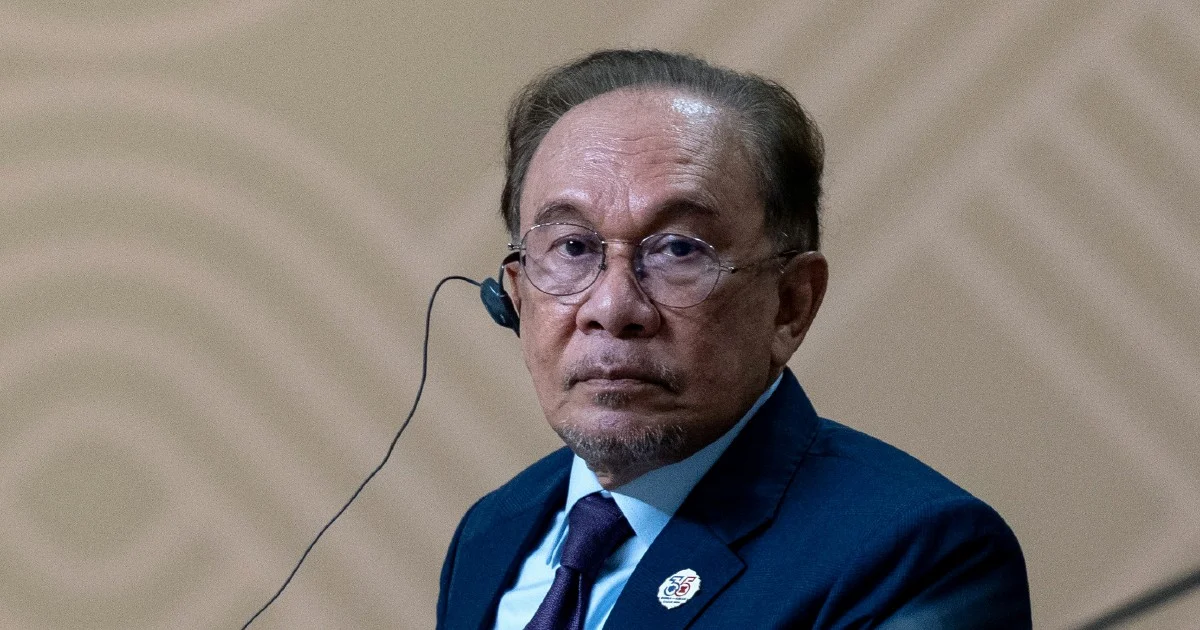
The High Court in Kuala Lumpur has approved an application filed by Prime Minister Datuk Seri Anwar Ibrahim to overturn an order that would have compelled him to give evidence as a witness in a RM30 million civil case. The decision represents a significant development in a dispute that had drawn scrutiny due to the involvement of Malaysia's chief executive and a prominent figure in corporate and business circles.
The initial subpoena directed Anwar Ibrahim to attend court proceedings and testify in the case, which centres on allegations involving Vinod Sekhar. This order had raised questions about the extent to which sitting heads of government might be required to participate in ongoing civil litigation, particularly when their testimony is sought by one of the disputing parties. The judicial ruling now clarifies the boundaries of such obligations for holders of high state office.
Courts in Malaysia have long grappled with balancing the principle that all citizens are equal before the law against the practical realities of governing a nation. When a Prime Minister is subpoenaed to provide evidence, the judiciary must weigh competing interests: the plaintiff's right to pursue their claim using all legitimate means, the defendant's entitlement to examine potentially relevant testimony, and the Crown's need to maintain continuity in the performance of critical state functions. The High Court's decision in this instance reflects a deliberation on these competing factors.
The RM30 million figure at stake highlights the commercial significance of the underlying dispute. Such sums typically involve matters of substantial business transactions, contractual disagreements, or allegations of financial mismanagement. The involvement of a sitting Prime Minister as a potential witness suggested that Anwar Ibrahim possessed knowledge or information material to the parties' dispute, though the precise nature of his alleged connection to the case has not been fully detailed in public disclosures.
Vinod Sekhar's appearance in this lawsuit connects to broader questions about accountability and transparency in Malaysian business and governance. Sekhar has maintained a presence in various commercial ventures and has previously been involved in transactions or dealings that have attracted media attention. The RM30 million claim represents a substantial allegation that presumably required the court to examine evidence and hear from individuals with direct knowledge of the relevant facts and circumstances.
The High Court's allowance of Anwar Ibrahim's application to set aside the subpoena suggests that the bench found merit in arguments presented by the Prime Minister's legal representatives. These arguments likely emphasised the demands on the Prime Minister's schedule, the potential disruption to governmental operations, and the availability of alternative evidence or witnesses to establish the factual matters in dispute. Malaysian legal precedent generally recognises that sitting heads of government may be exempted from certain obligations that would apply to ordinary citizens, particularly when compliance would materially impede the performance of constitutional duties.
This ruling may establish or reinforce a principle relevant to future civil litigation where government leaders possess potentially relevant knowledge. It clarifies that courts will consider the public interest in uninterrupted governance alongside litigants' interests in obtaining comprehensive evidence. The decision does not necessarily mean that no sitting Prime Minister can ever be required to testify; rather, it suggests that applications for exemption will be evaluated on their specific merits, weighing the nature of the testimony sought, its importance to the case, and the burden on the official in question.
For Malaysian legal practitioners and those engaged in commercial disputes, the judgment offers guidance on realistic expectations when considering whether to subpoena senior government officials. It underscores that while the principle of equality before the law remains fundamental, courts recognise practical limitations when it comes to compelling testimony from those holding the highest executive positions during their tenure in office.
The case also reflects the broader Malaysian legal landscape where civil disputes involving prominent business figures and government personalities occasionally intersect. Such cases generate public interest not only because of the sums involved but because they touch on questions of accountability and the operation of democratic institutions. The High Court's decision preserves governmental functionality while acknowledging that justice systems must adapt to the unique circumstances of cases involving state officials.
Moving forward, the decision's impact will likely depend on how subsequently courts interpret its reasoning when faced with similar subpoena applications involving Prime Ministers or other senior officials. The judgment may influence how litigants craft their strategy in high-profile cases and how courts balance competing principles when governmental interests clash with private rights to litigation. For Anwar Ibrahim specifically, the ruling removes a potential distraction from his duties as Prime Minister while the underlying dispute between other parties continues through the judicial system.


%22%2F%3E%3C%2Fpattern%3E%3C%2Fdefs%3E%3Crect%20width%3D%22100%25%22%20height%3D%22100%25%22%20fill%3D%22url(%23ph2re9gg)%22%2F%3E%3Crect%20width%3D%22100%25%22%20height%3D%22100%25%22%20fill%3D%22url(%23ph2re9gp)%22%2F%3E%3Ctext%20x%3D%2250%25%22%20y%3D%2250%25%22%20text-anchor%3D%22middle%22%20dominant-baseline%3D%22central%22%20fill%3D%22rgba(255%2C255%2C255%2C0.95)%22%20font-family%3D%22Georgia%2C%20'Times%20New%20Roman'%2C%20serif%22%20font-weight%3D%22700%22%20font-size%3D%22194%22%20letter-spacing%3D%22-0.02em%22%3ETeacher%3C%2Ftext%3E%3C%2Fsvg%3E)