%22%2F%3E%3C%2Fpattern%3E%3C%2Fdefs%3E%3Crect%20width%3D%22100%25%22%20height%3D%22100%25%22%20fill%3D%22url(%23phafweg)%22%2F%3E%3Crect%20width%3D%22100%25%22%20height%3D%22100%25%22%20fill%3D%22url(%23phafwep)%22%2F%3E%3Ctext%20x%3D%2250%25%22%20y%3D%2250%25%22%20text-anchor%3D%22middle%22%20dominant-baseline%3D%22central%22%20fill%3D%22rgba(255%2C255%2C255%2C0.95)%22%20font-family%3D%22Georgia%2C%20'Times%20New%20Roman'%2C%20serif%22%20font-weight%3D%22700%22%20font-size%3D%22272%22%20letter-spacing%3D%22-0.02em%22%3EAnwar%3C%2Ftext%3E%3C%2Fsvg%3E)
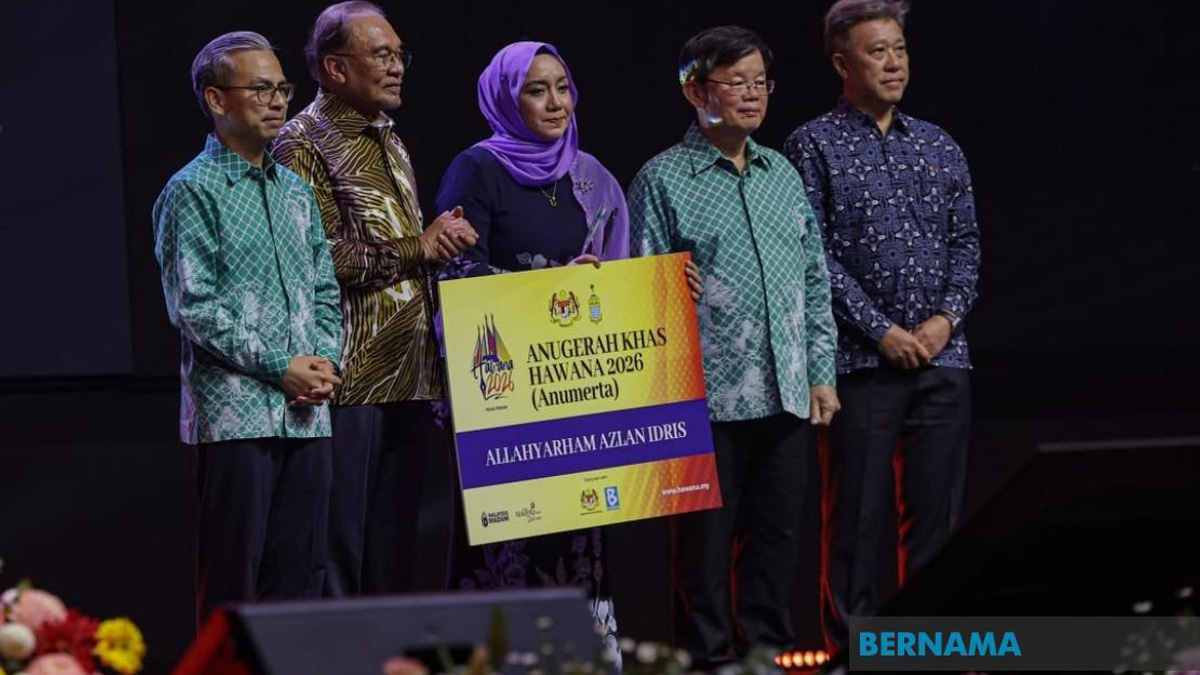
Prime Minister Datuk Seri Anwar Ibrahim is set to present HAWANA journalism prizes and special awards to media professionals at PICCA Convention Centre in Butterworth, marking an official recognition of excellence within Malaysia's press community.
The HAWANA awards scheme represents one of the nation's premier initiatives to celebrate journalistic achievement and uphold professional standards across the media landscape. By participating in the award ceremony, the Prime Minister underscores the government's commitment to acknowledging the vital role that journalists play in maintaining informed public discourse and democratic accountability. Such ceremonial participation by the highest political office signals that media recognition remains integral to the administration's engagement with the fourth estate.
Holding the event at PICCA Convention Centre in Butterworth places the gathering within Penang's commercial hub, a venue frequently hosting major conventions and award ceremonies. The choice of location reflects the scale of this year's recognition programme and its importance across the broader Malaysian media sector. Butterworth's accessibility and modern facilities make it a pragmatic selection for an event expected to draw media practitioners, editors, publishers, and industry stakeholders from across the country.
The presentation of special awards alongside the standard HAWANA prizes indicates a tiered recognition system designed to highlight exceptional contributions. Special awards categories typically acknowledge innovative reporting, investigative excellence, digital media advancement, or contributions to community journalism that transcend conventional benchmarks. This layered approach allows the awards framework to reward both consistent professional standards and extraordinary achievements that push journalistic boundaries.
For Malaysian journalists, such recognition carries professional and personal significance. Award-winning status enhances career prospects, attracts industry-wide attention to particular news organisations, and validates editorial decisions made under deadline pressure and resource constraints. The ceremony transforms individual achievement into a collective celebration of the profession's standards, fostering competitive excellence whilst reinforcing shared ethical commitments among newsrooms nationwide.
The timing of the award presentation reflects broader dialogue between government and media institutions. Prime ministerial attendance at journalism awards demonstrates receptiveness to press community engagement beyond contentious policy debates or regulatory matters. This ceremonial presence offers opportunity for symbolic messaging about press freedom and professional journalism's role in governance and public service.
For media organisations, particularly those receiving recognition, the ceremony provides marketing value and organisational prestige. Award wins translate into promotional advantages that newsrooms leverage across platforms and circulation strategies. Recognition from HAWANA carries industry credibility that resonates with advertisers, audiences, and stakeholders evaluating journalistic reliability and editorial integrity.
The broader implications for Malaysia's media ecosystem warrant consideration. Awards programmes that receive high-level government participation contribute to professionalising journalism standards and establishing industry benchmarks. When major institutional figures publicly acknowledge journalistic excellence, they reinforce professional norms and distinguish quality reporting from sensationalism or propagandistic content. This becomes increasingly important in an era of digital fragmentation, where quality journalism faces commercial pressures and competes against misinformation.
For Southeast Asian journalism observers, Malaysia's structured recognition systems demonstrate regional approaches to sustaining professional standards. Across the region, award mechanisms serve various functions: maintaining ethical codes, promoting investigative work, developing new talent, and preserving institutional memory about journalistic achievements. Malaysia's integration of government-media ceremony reflects political cultures where formal recognition ceremonies remain significant professional markers.
The HAWANA programme's expansion to include special awards categories suggests organisational confidence in its remit and relevance within evolving media landscapes. As journalism confronts technological disruption, changing business models, and audience fragmentation, award programmes adapted to recognise digital innovation and cross-platform excellence remain vital for validating professional transformation and maintaining standards across new delivery mechanisms.
Looking forward, such occasions provide platforms for discussing journalism's contemporary challenges and opportunities. Beyond the ceremonial aspects, award presentations create networking opportunities, facilitate dialogue between media leaders and government officials, and occasionally catalyse discussions about regulatory environments, press freedom protections, and resource sustainability for quality journalism.
The gathering represents institutional endorsement of journalistic profession during period when media institutions worldwide navigate profound structural changes. By presiding over HAWANA presentations, the Prime Minister participates in reinforcing professional standards and acknowledging journalism's constitutional significance in democratic systems. Such visible commitment, expressed through ceremonial participation and award presentation, contributes to broader narratives about press-government relations and professional journalism's valued position within national institutions.