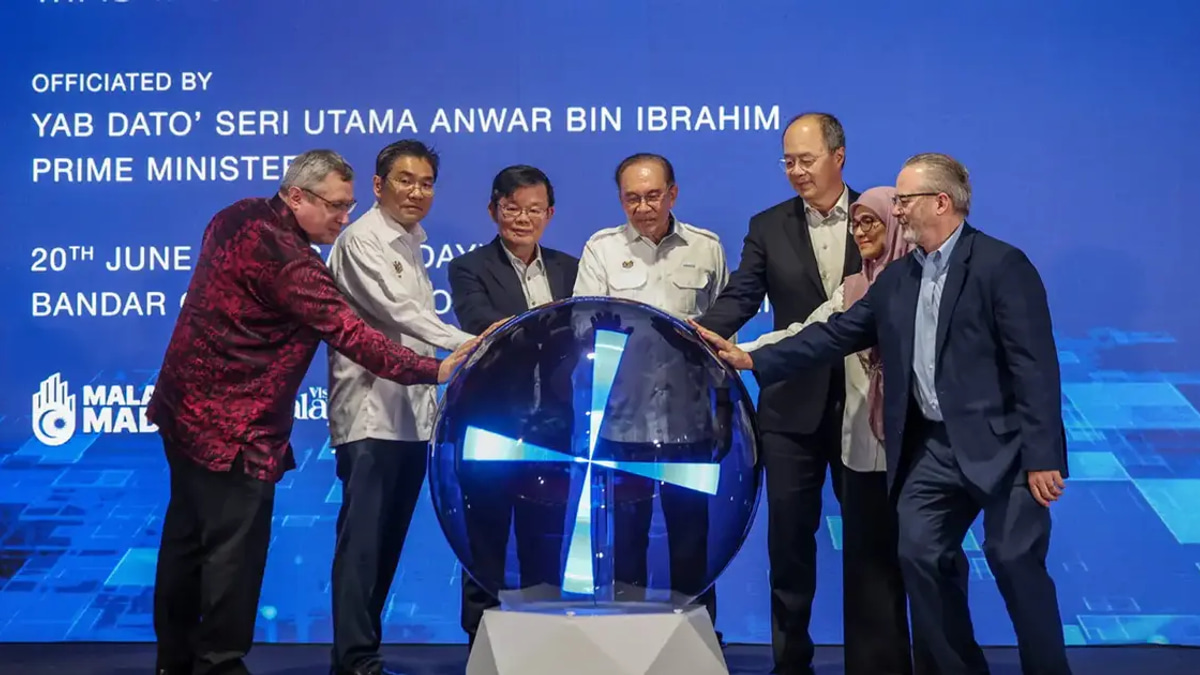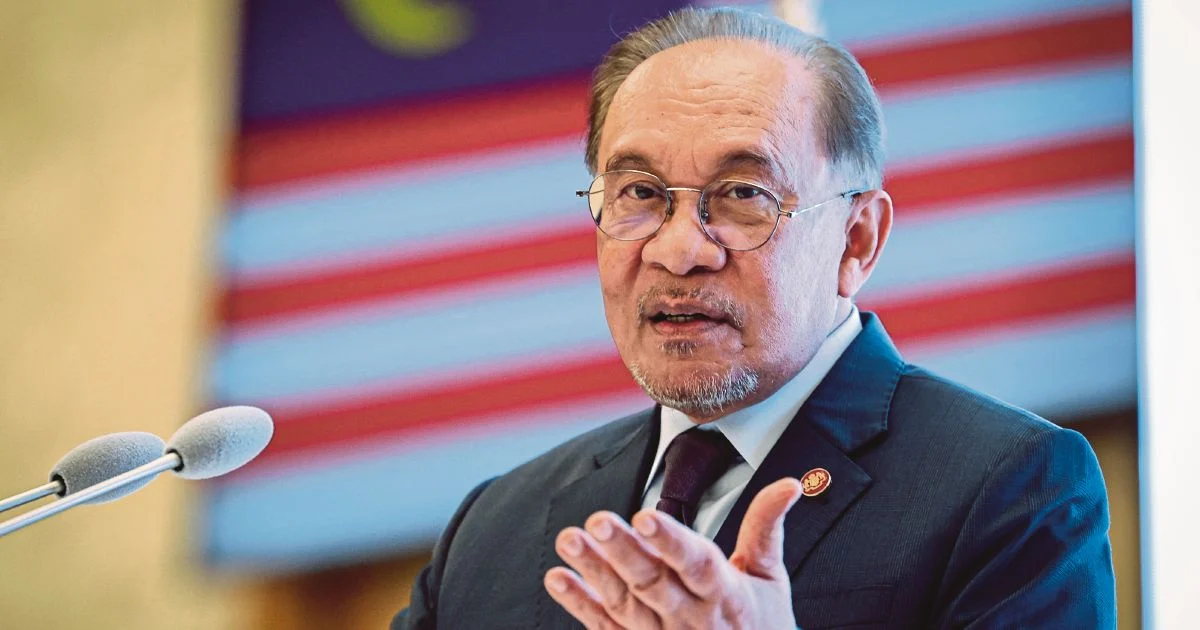
Prime Minister Datuk Seri Anwar Ibrahim has positioned Petronas's acquisition of a stake in one of the world's largest gas fields in Turkmenistan as a testament to international investors' confidence in Malaysia's political stability, social cohesion, and economic prowess. Speaking at a public event in Batu Kawan, Anwar framed the energy deal as evidence that the country's reputation and institutional credibility continue to attract major multinational partnerships and investment commitments on the global stage.
The strategic significance of this development cannot be overstated in the context of Malaysia's energy sector ambitions. Petronas, the national oil and gas corporation, has long been regarded as one of Southeast Asia's most competent and internationally active energy companies, with exploration and production operations spanning multiple continents. By securing participation in Turkmenistan's vast gas reserves, the company gains exposure to one of the world's most substantial untapped hydrocarbon resources, positioning itself to benefit from long-term energy demand projections across Asia and beyond.
Turkmenistan possesses some of the planet's largest known natural gas reserves, with estimates suggesting reserves that could sustain production for decades. The Central Asian nation has historically sought international partnerships to develop these resources and bring them to global markets through pipeline networks and liquefied natural gas infrastructure. For Petronas to win a stake in such a significant project represents a competitive victory, as numerous international oil majors compete aggressively for access to premium hydrocarbon assets worldwide.
Anwar's remarks carry particular weight given Malaysia's ongoing efforts to strengthen its international image and economic credentials following political and social challenges in preceding years. The government has pursued a deliberate strategy of repositioning Malaysia as a stable, investment-friendly jurisdiction within Southeast Asia, emphasizing institutional reforms, anti-corruption measures, and policy clarity. The Turkmenistan deal, in this light, serves as a tangible validation of these efforts, suggesting that Malaysia's brand rehabilitation is resonating with major corporate and governmental decision-makers globally.
From an energy security perspective, the Petronas involvement in Turkmenistan also carries significance for Malaysia's domestic interests. As a net energy exporter, Malaysia relies on hydrocarbons as a crucial revenue source and economic pillar. However, domestic reserves have been gradually declining, necessitating that the country pursue upstream opportunities abroad to maintain production capacity and export volumes. Turkmenistan's reserves therefore represent a strategic asset for securing Malaysia's long-term energy industry prosperity and government revenue streams dependent on oil and gas exports.
The geopolitical dimensions of this partnership merit consideration as well. Central Asia represents an increasingly important region for major economies seeking energy security and supply diversification. By establishing a presence in Turkmenistan, Petronas expands Malaysia's footprint in energy-rich regions beyond its traditional operational zones. This geographic diversification reduces dependency on any single region and positions the company to participate in energy corridors connecting Central Asia with Asian markets, an area of intensifying strategic competition.
The transaction also reflects broader trends within Asia's energy landscape. Growing demand from emerging economies, particularly in East and South Asia, continues to drive competition for access to natural gas reserves. Liquefied natural gas imports remain critical for countries like Japan, South Korea, and increasingly China, as they transition away from coal and seek cleaner energy sources. Petronas's Turkmenistan participation allows it to eventually supply these high-value markets, generating substantial returns for the company and supporting Malaysia's export earnings.
Investor confidence in Malaysian institutions extends beyond mere sentiment—it translates into tangible business opportunities and capital flows. When multinational corporations and foreign governments consider partnership opportunities, they evaluate macroeconomic stability, regulatory predictability, institutional capacity, and political risk. Petronas's selection for this Central Asian project suggests that global decision-makers perceive these factors favourably in Malaysia's case, encouraging further international engagement and investment.
The timing of Anwar's public emphasis on this deal also serves a domestic political purpose. By highlighting achievements in attracting international partnerships and strengthening Malaysia's global standing, the Prime Minister reinforces narratives of progress and economic advancement to the domestic audience. This messaging supports broader government initiatives aimed at investor confidence, business sentiment, and public perception of Malaysia's trajectory.
Looking forward, the success of Petronas's Turkmenistan operations could establish a template for additional Central Asian partnerships and demonstrate the company's ability to operate effectively in challenging operating environments and navigate complex international negotiations. Such achievements enhance the company's reputation within the global energy industry, potentially opening doors to other premium opportunities elsewhere.
The broader implication for Malaysia extends to its positioning within regional economic architecture. As Southeast Asian nations increasingly compete for foreign direct investment and participation in major infrastructure projects, demonstrating reliable governance and attracting quality partnerships becomes essential. The Turkmenistan deal exemplifies the type of high-value engagement that supports Malaysia's aspirations to maintain economic relevance and prosperity amid regional competition from other developing economies.