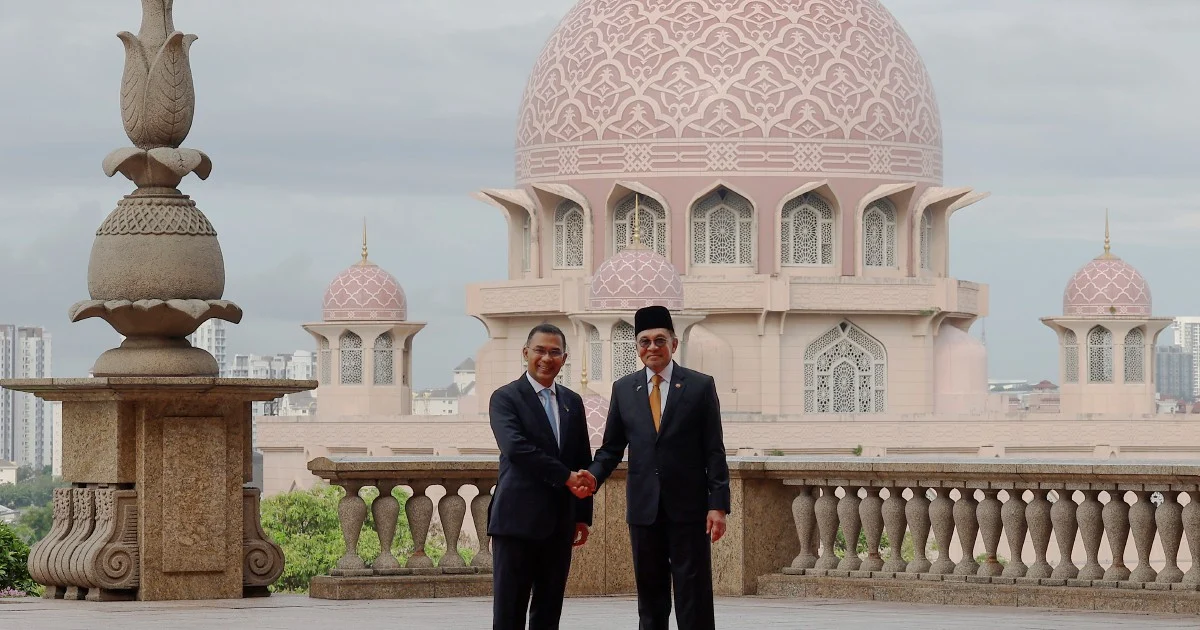
Bangladesh Prime Minister Tarique Rahman touched down in Malaysia this week for a carefully choreographed two-day official visit, marking a significant moment in the diplomatic calendar for both nations. The visit culminated in an elaborate state reception at the Perdana Putra Complex in Putrajaya, where Prime Minister Anwar Ibrahim extended the formal welcomes that accompany such high-level bilateral engagements. The ceremony underscored the importance both governments place on their relationship amid evolving regional dynamics in South and Southeast Asia.
Tarique Rahman's arrival carries weight for Malaysian observers tracking developments in the broader South Asian region. Bangladesh has undergone dramatic political upheaval in recent months, and Rahman's stabilisation of the government signals a new phase in the country's political evolution. For Malaysia, hosting such a visit demonstrates the country's continued engagement with major South Asian players beyond traditional partners, positioning itself as a diplomatic hub willing to facilitate dialogue across regional boundaries.
The timing of this visit reflects Malaysia's broader strategy of maintaining robust ties with key neighbours and significant regional players. Bangladesh, as a nation of over 170 million people and an emerging economic force in South Asia, represents both a market opportunity and a geopolitical partner of increasing relevance. Malaysian policymakers recognise that stability in Bangladesh directly impacts regional security, trade flows, and the broader architecture of Indo-Pacific stability.
For Bangladesh, the visit represents an effort to rebuild international confidence following recent internal turbulence. Rahman's government has prioritised reassuring neighbouring countries that normalcy has returned and that Bangladesh remains committed to regional cooperation frameworks. Malaysia, as both a fellow Muslim-majority democracy and a significant regional economic player, serves as an important validation point for Bangladesh's renewed stability and international standing.
Diplomatically, such state visits typically pave the way for substantive discussions on trade, investment, and security matters. Malaysia and Bangladesh share interests in maritime security, counterterrorism, and economic development. The two nations have historically maintained cordial relations, though opportunities for deeper engagement have sometimes been underexploited relative to their respective potentials and geographic proximity.
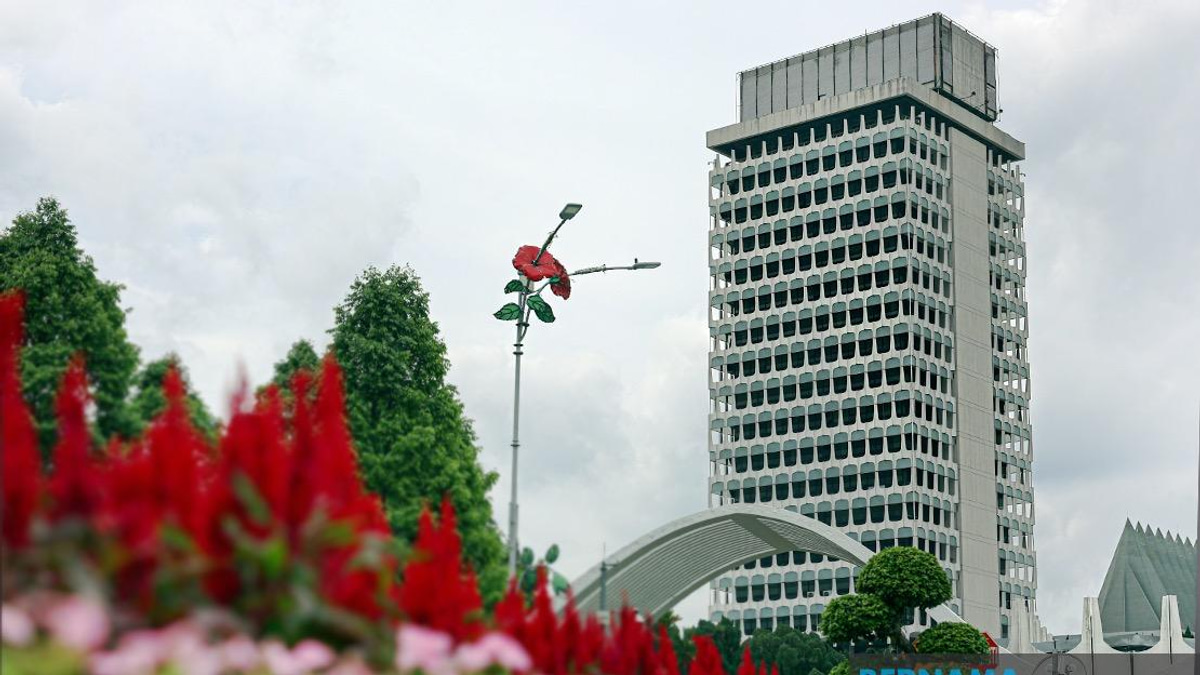
The Perdana Putra setting carries symbolic significance as Malaysia's administrative heart. Receiving foreign dignitaries at this complex signals the formal, high-level nature of the engagement and suggests that discussions extended beyond ceremonial courtesies into substantive policy matters. The architecture of such visits typically includes bilateral meetings between leaders, ministerial-level discussions on specific sectors, and exchanges of agreements covering areas from trade to educational cooperation.
For Malaysian business and academic communities, such visits often open doors to expanded partnerships with Bangladesh. The country's textile industry, shipbuilding sector, and growing telecommunications landscape present opportunities for Malaysian firms seeking diversification away from traditional markets. Conversely, Bangladesh sees Malaysia as a model for managing religious diversity and economic development within an Islamic context, making knowledge exchange particularly valuable.
From a regional security perspective, Bangladesh's relationship with Malaysia matters for maritime domain awareness and counter-terrorism cooperation. Both nations face similar challenges from extremist organisations operating across borders and transnational criminal networks exploiting sea lanes. Formalised diplomatic engagement creates channels for intelligence sharing and coordinated responses to shared security threats.
The visit also reflects Malaysian President Ibrahim's broader diplomatic agenda of positioning the country as a bridge builder across Asia's varied political and economic systems. Malaysia's history of navigating complex regional relationships—balancing relationships with major powers while maintaining independent foreign policy positions—makes it an attractive partner for countries like Bangladesh seeking to strengthen international positioning.
Looking forward, the concrete outcomes of such visits typically emerge through press statements and signed memoranda of understanding released after substantive negotiations conclude. These documents often outline frameworks for future cooperation in education, trade investment promotion, tourism, and cultural exchange. The success of such visits is frequently measured not by immediate announcements but by whether they establish foundations for expanded collaboration in subsequent years.
For Southeast Asia more broadly, stable and engaged Bangladesh matters considerably. The country's role in regional organisations and its influence on Indian Ocean geopolitics affect broader regional stability. Malaysia's willingness to deepen engagement with Bangladesh signals confidence in the region's trajectory and demonstrates strategic thinking about which international relationships will matter most in the coming decade.
As both nations continue managing post-pandemic economic recovery and navigating the complexities of regional power dynamics, visits like Rahman's serve essential functions in relationship maintenance and strategic alignment. The formal protocols observed during state visits—from the ceremonial welcomes to the structured negotiating sessions—create spaces where officials can explore shared interests and establish personal relationships that often prove valuable during times of crisis or challenge.

%22%2F%3E%3C%2Fpattern%3E%3C%2Fdefs%3E%3Crect%20width%3D%22100%25%22%20height%3D%22100%25%22%20fill%3D%22url(%23ph4qduzg)%22%2F%3E%3Crect%20width%3D%22100%25%22%20height%3D%22100%25%22%20fill%3D%22url(%23ph4qduzp)%22%2F%3E%3Ctext%20x%3D%2250%25%22%20y%3D%2250%25%22%20text-anchor%3D%22middle%22%20dominant-baseline%3D%22central%22%20fill%3D%22rgba(255%2C255%2C255%2C0.95)%22%20font-family%3D%22Georgia%2C%20'Times%20New%20Roman'%2C%20serif%22%20font-weight%3D%22700%22%20font-size%3D%22194%22%20letter-spacing%3D%22-0.02em%22%3EBersatu%3C%2Ftext%3E%3C%2Fsvg%3E)