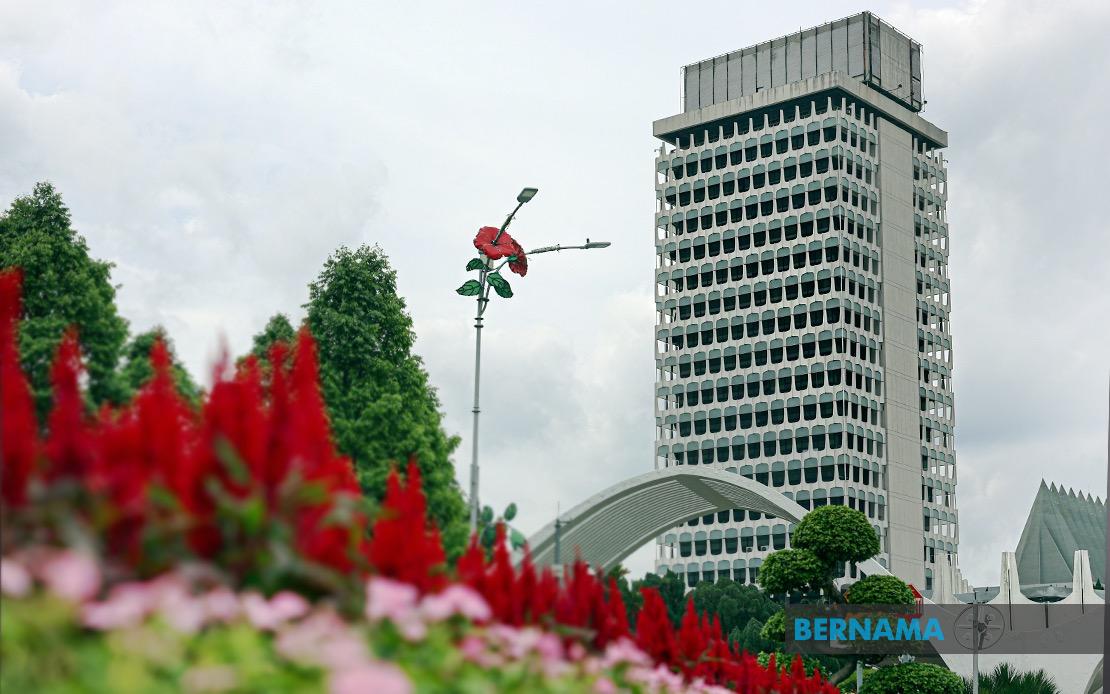
His Majesty Sultan Ibrahim, King of Malaysia, has formally approved eight pieces of legislation that successfully navigated parliamentary scrutiny during the first meeting of the Fifth Session of the 15th Parliament. Dewan Rakyat Speaker Tan Sri Johari Abdul made the announcement before proceedings commenced with question time, signalling completion of the legislative process for measures debated from January 19 through March 3.
Among the laws now in force is the Government Procurement Act 2025, which updates Malaysia's approach to public sector purchasing and contract management. This legislation carries substantial implications for how federal and state agencies acquire goods and services, with potential ramifications for private enterprises seeking government contracts. The new framework aims to enhance transparency and efficiency in procurement processes, matters of particular concern to businesses operating within Malaysia's supply chains.
Immigration policy undergoes significant reform through two related bills. The Immigration (Amendment) Act 2025 and the Passports (Amendment) Act 2025 represent government efforts to modernise and streamline border management and travel documentation systems. These amendments carry practical consequences for Malaysian citizens, foreign visitors, and diaspora communities managing entry and residency matters. The changes likely address emerging challenges in cross-border mobility and documentation security in an increasingly digital age.
The International Settlement Agreements Resulting from Mediation Act 2025 establishes a legal framework for resolving commercial disputes through mediation rather than protracted litigation. This statute reflects Malaysia's commitment to strengthening alternative dispute resolution mechanisms, offering businesses and individuals more efficient pathways to settlement. The legislation aligns with regional efforts to reduce court backlogs while promoting amicable problem-solving approaches favoured by the international business community.
A centerpiece of the approved legislation is the Johor Bahru-Singapore Rapid Transit System (RTS) Link Act 2026. This framework provides the legal architecture for constructing and operating the cross-border rail connection between Malaysia and Singapore. The project represents one of Southeast Asia's most significant infrastructure undertakings, promising enhanced connectivity between the two nations while facilitating seamless commuter and freight movement. For Johoreans and Singaporeans, the legislation signals tangible progress toward a transportation link anticipated for years.
Education funding receives attention through the Capitation Grant Act 2026, which establishes parameters for government support to educational institutions. This legislation affects the allocation and utilisation of grants provided to schools, directly influencing resources available for teaching and learning across Malaysia's education system. The framework carries implications for student access to quality education and the operational sustainability of both government and government-aided institutions nationwide.
Environmental governance expands with the Environmental Quality (Amendment) Act 2026. This revision strengthens Malaysia's regulatory capacity to address pollution, conservation, and environmental protection matters. The amendments likely respond to emerging environmental challenges including air and water quality management, waste disposal, and ecosystem preservation. For industries operating in manufacturing, energy, and resource sectors, the enhanced regulations signal stricter compliance requirements and heightened operational standards.
The Supplementary Supply (2025) Act 2026 authorises additional government expenditure beyond the main budget allocation for fiscal year 2025. This measure typically responds to unforeseen circumstances or urgent national requirements, allowing the government to disburse funds for critical initiatives without awaiting the next budgetary cycle. The statute reflects parliamentary oversight of emergency or extraordinary government spending.
Parallel to the royal assent announcement, the Dewan Negara has completed processing the Employment Insurance System (Amendment) Bill 2025, though with modifications to Clause 11. This amendment to Malaysia's employment insurance framework affects workers' protections and employer obligations. The senate's amendments suggest substantive policy refinements addressing concerns raised during upper house deliberations, ensuring the final version balances stakeholder interests before receiving royal approval.
The succession of legislative approvals demonstrates the parliamentary machinery functioning through multiple sessions, with bills progressing from initial presentation through committee stages, full debates, and senate review. Royal assent represents the final constitutional step, transforming approved legislation into enforceable law. The breadth of these eight bills—spanning procurement, immigration, infrastructure, education, environment, and labour—reflects government priorities across economic governance, social protection, and national development.
For Malaysian stakeholders, these legislative changes represent concrete policy implementation affecting government operations, business environments, infrastructure development, and citizen services. Businesses must prepare for new procurement standards, environmental compliance obligations, and dispute resolution possibilities. Citizens will experience gradual effects through improved cross-border connectivity, educational resource allocation adjustments, and employment protections. The legislation collectively shapes Malaysia's institutional and regulatory landscape as the nation navigates economic recovery and infrastructural advancement in an increasingly competitive regional environment.