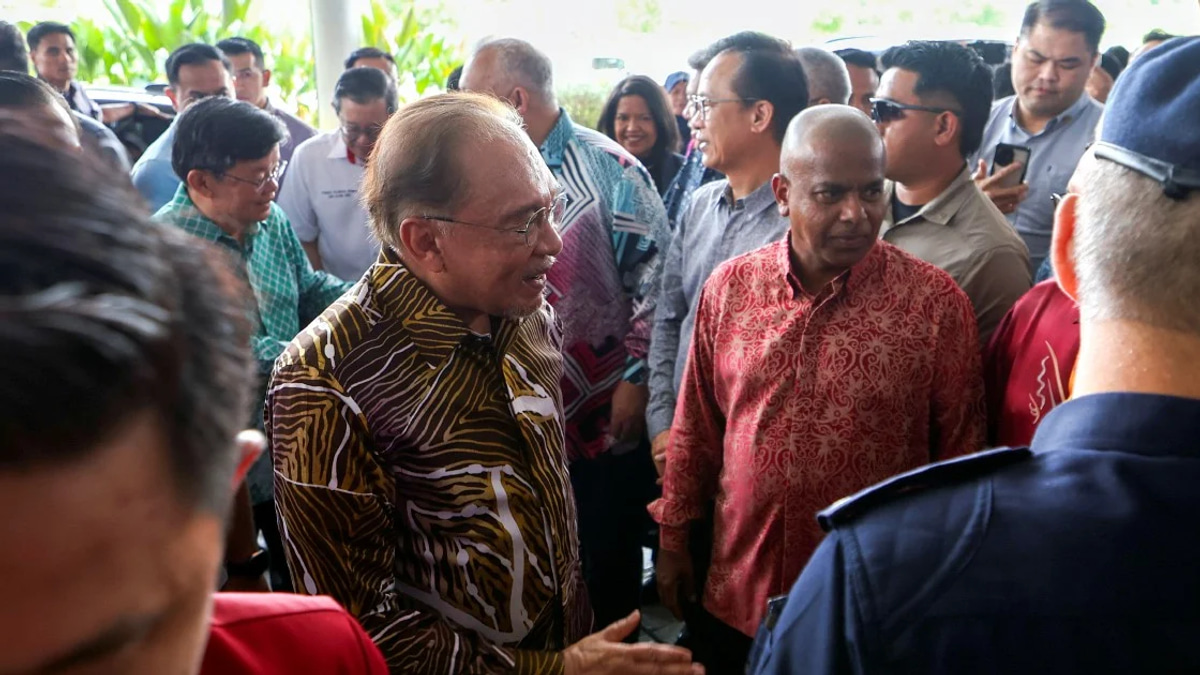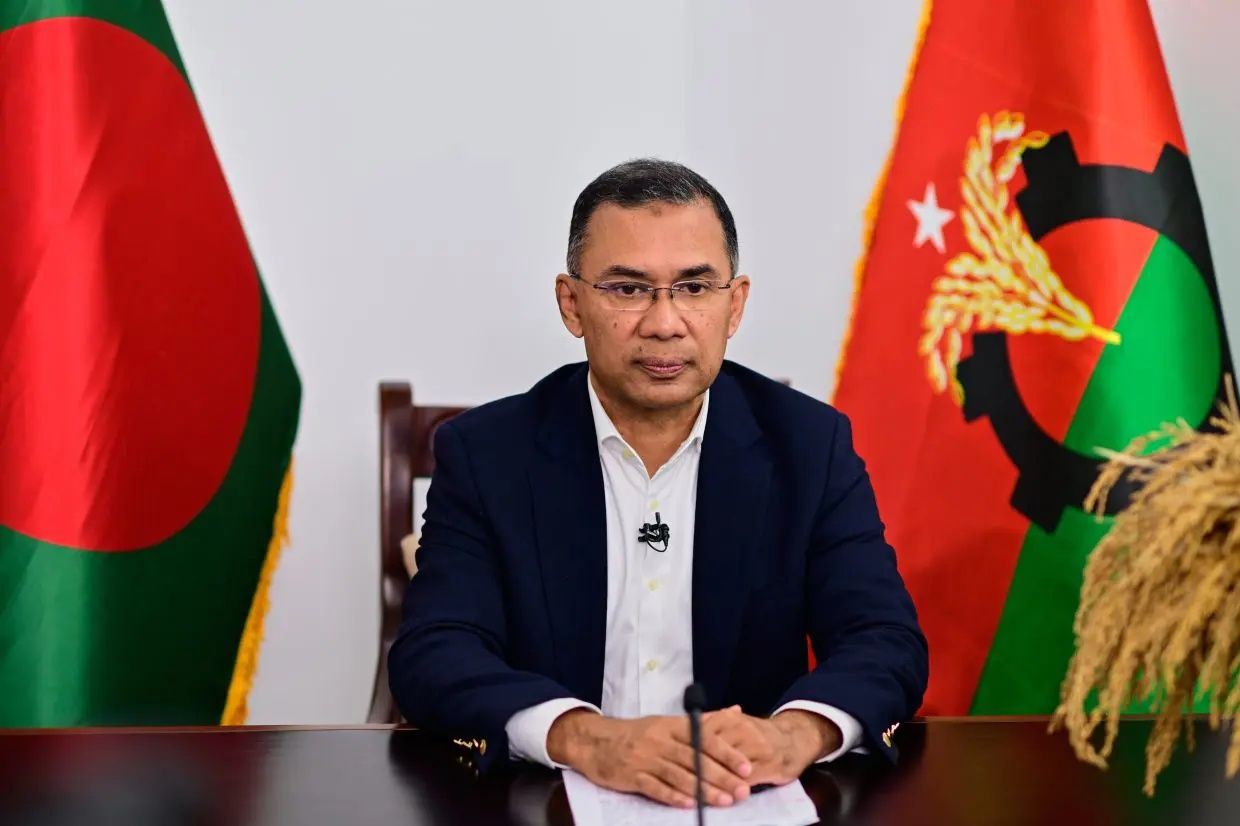
Bangladesh Prime Minister Tarique Rahman is embarking on his maiden international tour as head of government this weekend, with planned stops in Malaysia and China that carry significant diplomatic undertones for the strategically important South Asian nation. The foreign ministry confirmed Saturday that Rahman will arrive in Malaysia on Sunday before proceeding to Beijing on Monday, a sequencing that deliberately sidesteps neighbouring India despite Bangladesh's geographical dependence on the subcontinent's largest economy. The routing of this inaugural diplomatic foray signals Dhaka's intention to diversify its international partnerships and reduce exclusive reliance on traditional relationships that have become increasingly fraught with tension.
The choice of Malaysia as the primary destination reflects Bangladesh's deep people-to-people connections and economic interdependencies with Southeast Asia. With approximately 800,000 Bangladeshi workers currently employed across Malaysia, the country has become a critical destination for remittances and labour mobility for millions of families back home. These workers represent more than a third of Malaysia's entire foreign workforce, making the bilateral relationship economically consequential for both nations. Rahman's visit provides an opportunity to address issues affecting this diaspora community while exploring expanded cooperation in areas such as manufacturing, skills development, and technological transfer that could benefit Bangladesh's own industrial ambitions.
The subsequent leg to China carries even greater strategic weight, particularly given the geopolitical sensitivities surrounding Beijing's expanding influence in South Asia. During his Beijing visit, Rahman is expected to prioritise discussions on trade expansion and infrastructure development initiatives that could unlock significant capital flows into Bangladesh's struggling economy. Among the substantive agenda items are negotiations over Chinese participation in the long-stalled Teesta River project, an ambitious transnational initiative designed to restore and manage this critical waterway through comprehensive dredging, embankment reinforcement, and irrigation system development. This project has languished for years partly due to Indian concerns about upstream water allocation and environmental impacts, making Beijing's involvement potentially transformative for Bangladesh's agricultural and water security.
The Teesta River project exemplifies the complex hydro-political dynamics that have characterised Bangladesh's relationship with India for decades. The river, which originates in the Indian state of Sikkim and flows through both nations before emptying into the Ganges, represents a flashpoint in bilateral water-sharing disputes that remain unresolved despite multiple negotiating rounds. Chinese technical expertise and infrastructure financing could provide Bangladesh with alternative pathways to address these water management challenges without depending entirely on Indian cooperation, effectively rebalancing negotiating power in these critical dialogues. Such a realignment would carry profound implications for Bangladesh's agricultural productivity and rural livelihoods, which remain heavily dependent on river systems and monsoon patterns.
The geopolitical backdrop to these visits cannot be overlooked. Bangladesh has experienced dramatic internal upheaval in recent months, including the popular uprising in 2024 that toppled the government of Prime Minister Sheikh Hasina, who maintained close ties with India and was widely perceived as tilting Bangladesh's foreign policy decidedly toward New Delhi. Hasina's subsequent flight to India and continued refuge there have become a persistent irritant in bilateral relations, with Bangladesh's new administration repeatedly pressing for her extradition on charges related to alleged atrocities during the uprising. The interim government that governed between Hasina's ouster and Rahman's February election victory began the process of recalibrating Bangladesh's international stance, and Rahman's selections for his first foreign visits represent a continuation and acceleration of this course correction.
India-Bangladesh relations have deteriorated markedly along their shared border, which stretches over 4,000 kilometres through challenging terrain and densely populated regions. New Delhi has adopted an aggressive posture regarding what it characterises as illegal migration, systematically pushing individuals across the border into Bangladesh territory in ways that have sparked local tensions and humanitarian concerns. These actions have compounded longstanding grievances over water-sharing agreements, border demarcation disputes, and India's perceived regional dominance. For Rahman's government, which came to power with significant popular support and a mandate for change, demonstrating that Bangladesh can pursue independent diplomatic initiatives outside the Indian sphere of influence has become a crucial legitimising narrative.
The broader context involves India and China's intensifying competition for influence across South Asia, a competition in which Bangladesh occupies an increasingly central position. India, historically the dominant power in the region, views China's growing engagement with South Asian nations with considerable wariness, regarding it as part of Beijing's broader strategy to establish networks of economic and strategic influence that could eventually constrain Indian regional authority. Bangladesh's willingness to engage substantively with Chinese infrastructure and investment proposals therefore represents a tactical shift in the regional balance of power. For Malaysia and other Southeast Asian nations, closer Bangladesh-China cooperation also has implications, as it may influence how Bangladesh positions itself within broader Asian regional architectures including ASEAN-related mechanisms.
The timing of Rahman's tour during his early months in office is deliberately calibrated to send messages both domestically and internationally. Domestically, demonstrating that the new government can pursue an independent foreign policy and extract concrete economic benefits from diversified partnerships helps consolidate legitimacy among constituencies that supported the anti-Hasina movement. Internationally, the visits signal to major powers that Bangladesh under Rahman's leadership intends to be a consequential actor in its own right rather than a client state of any single power. The foreign ministry's characterisation of these visits as a major diplomatic initiative aimed at strengthening Bangladesh's economic partnerships reflects this positioning.
For Malaysian observers and policymakers, Rahman's decision to make Kuala Lumpur his first stop carries symbolic weight beyond the bilateral relationship. It suggests Bangladesh values its Southeast Asian connections and views the region as integral to its economic future strategy. Enhanced cooperation on remittance corridors, skills training, and labour standards could benefit both nations, while expanded trade in garments, agricultural products, and light manufacturing could deepen economic interdependencies. These connections also position Malaysia as a potential mediator or partner in broader Asian frameworks where Bangladesh increasingly seeks to participate as an independent voice rather than as an Indian client.
The absence of India from this inaugural itinerary speaks volumes about the transformed political landscape in Bangladesh. Rather than following the traditional pattern of new leaders visiting New Delhi first to secure the regional hegemon's blessing, Rahman is instead pursuing a deliberate strategy of cultivating alternative partnerships. This approach reflects both the changed domestic political dynamics in Bangladesh and the broader regional trend toward multipolarity, where smaller nations increasingly enjoy greater agency in choosing their international partners. While immediate India-Bangladesh relations will undoubtedly remain important due to geographic proximity and shared interests, Rahman's tour suggests that Bangladesh intends to negotiate from a position of greater autonomy and balanced partnerships.