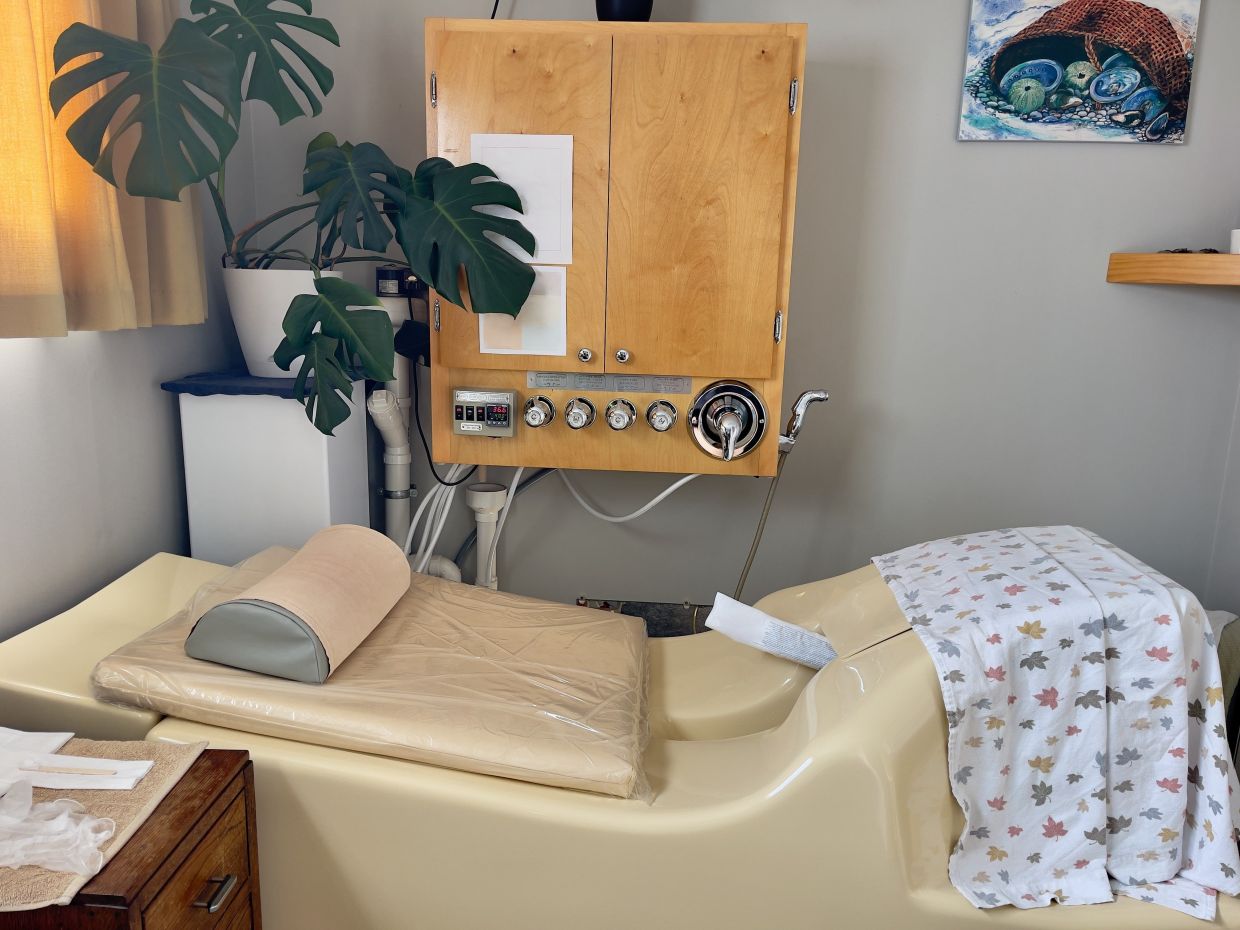
A sophisticated health fraud operation in Beijing has been dismantled after deceiving more than 100 elderly residents into spending over 10 million yuan, equivalent to US$1.5 million, on fake medical treatments. The scheme's centrepiece was a deceptively simple con: adding soy sauce to intestinal cleansing liquids to create the illusion that patients were expelling harmful toxins from their bodies. Beijing authorities have arrested more than 30 individuals suspected of orchestrating the scam across multiple locations throughout the capital.
The operation unravelled when the family of a woman in her 60s, identified as Ms. Li, discovered the extent of her spending at the health centre. She had handed over approximately 700,000 yuan—roughly US$103,000—through repeated visits for expensive treatments, each session costing tens of thousands of yuan. The case reveals a troubling pattern of psychological manipulation and financial coercion that extended beyond simple deception. According to reports, when Ms. Li's funds depleted and she expressed reluctance to continue treatment, staff members brazenly pressured her to pawn her gold bracelet, arguing that her health should take priority over material possessions.
The scam's machinery operated through carefully designed stages of customer acquisition and psychological entrenchment. Many victims initially encountered the health centre through seemingly innocuous channels: Ms. Li herself began with a modest 38-yuan foot massage voucher worth just six dollars. Once inside, staff employed relationship-building tactics designed to create emotional dependency. They maintained meticulous records of customers' birthdays and celebrated these occasions with surprising enthusiasm—a calculated gesture intended to foster the perception that clinic staff cared more deeply about their wellbeing than their own family members. In a society increasingly marked by generational separation, this manufactured intimacy proved particularly effective.
The targeting strategy demonstrated systematic precision in identifying vulnerable populations. Police investigations revealed that the operation deliberately pursued affluent seniors living alone or experiencing emotional isolation despite having adult children. Recruitment efforts extended to senior centres and gathering places frequented by elderly residents, where staff members posed as medical experts offering complimentary health consultations. These fake practitioners would invariably deliver diagnoses suggesting serious illness requiring extended, expensive treatment regimens. The soy sauce technique provided tangible "evidence" of alleged toxins, transforming abstract health warnings into visible proof that aligned with patient anxieties.
The scale of the enterprise suggests this was no marginal operation but rather an organized criminal network spanning multiple districts across Beijing. Police discovered that over 20 establishments masqueraded as legitimate health centres, collectively generating more than 30 million yuan in revenue—approximately US$4.5 million—which represents an extraordinarily high turnover for small-scale health clinics. The most egregious individual case involved a single victim losing more than two million yuan, equivalent to US$295,000, demonstrating how the operation could extract vast sums from isolated individuals over time.
China's demographic composition has created conditions that criminal networks have learned to exploit systematically. As of the end of 2025, seniors aged 60 and above represent 323 million people, constituting 23 per cent of the nation's total population. Within this cohort, approximately 60 per cent are classified as empty-nesters—either childless or separated from their adult children by distance and circumstance. This structural vulnerability, rooted in urbanization patterns and family fragmentation accompanying rapid economic development, creates a population segment hungry for attention, medical reassurance, and social connection. Fraudsters recognized these psychological needs and weaponized them through theatrical performances of concern.
The operation's sophistication lay in its exploitation of legitimate anxieties about health and ageing. Rather than making outlandish claims, the scammers positioned themselves within broader wellness narratives that resonate throughout contemporary China. The concept of intestinal detoxification, whilst scientifically questionable, aligns with popular health philosophies emphasizing bodily purification. By presenting expensive treatments as preventative interventions against mysterious internal toxins, the scheme transformed vulnerability into participation in a supposedly elite wellness programme. The soy sauce served as theatrical props—creating visceral, darkly convincing evidence that validated whatever diagnosis the fake experts had proposed.
The ramifications of this case extend well beyond the immediate victims in Beijing. For Malaysia and Southeast Asia, where similar elderly populations face comparable isolation and are equally susceptible to health-related fraud, the Beijing case serves as a cautionary blueprint of tactics that may already be operating regionally. The region shares similar demographic trends of ageing populations, adult children relocating for economic opportunity, and cultural emphasis on filial piety that makes seniors reluctant to burden families with health concerns. Fraudsters operating throughout Asia have demonstrated consistent capacity for cross-border coordination and knowledge-sharing regarding profitable scam methodologies.
Authorities have acknowledged the urgent necessity for regulatory intervention within the health centre industry. The proliferation of unregistered or loosely supervised wellness clinics creates regulatory gaps that criminal networks systematically exploit. Current oversight mechanisms appear inadequate to prevent the establishment of fake medical facilities or the deployment of unqualified practitioners posing as doctors and experts. The case highlights how existing consumer protection frameworks may be insufficient when targeting populations with limited digital literacy and reduced access to legal support.
The psychological dimensions of this fraud reveal uncomfortable truths about contemporary social conditions. The scammers succeeded not primarily through technological sophistication but through identifying and systematizing emotional neglect. Staff members' attention to birthdays, remembrance of personal details, and expressions of concern for patients' wellbeing were precisely the relationships that adult children were failing to maintain. By contrasting their demonstrated concern against familial indifference, the fraudsters positioned themselves as genuinely caring alternatives. This substitution of authentic family relationships with manufactured clinic bonds created psychological commitment that transcended normal customer loyalty.
Moving forward, addressing this category of fraud requires multifaceted responses extending beyond criminal prosecution. Strengthening professional licensing requirements for health practitioners, implementing stricter registration standards for wellness establishments, and establishing clearer regulatory oversight represent necessary regulatory reforms. Simultaneously, community engagement programmes addressing senior isolation, enhanced family awareness campaigns, and accessible financial literacy education for elderly populations could reduce susceptibility to such schemes. Malaysia and neighbouring countries should consider whether their existing regulatory frameworks adequately protect vulnerable senior populations, particularly as health scams evolve in sophistication and geographical reach.