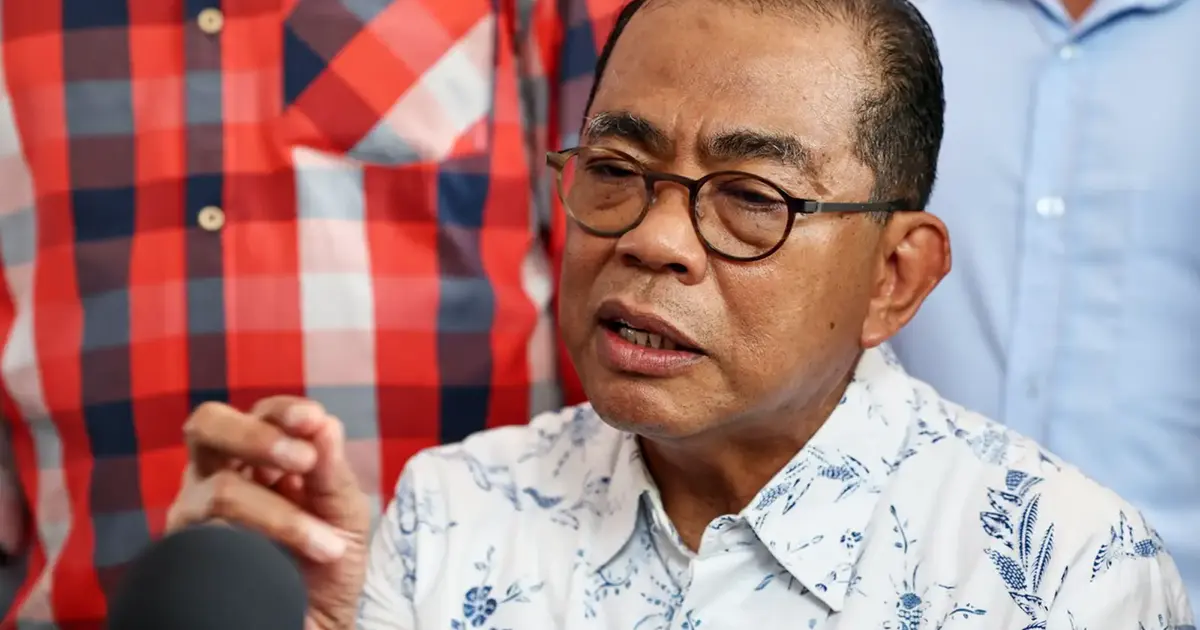
Defence Minister Khaled has ordered authorities to accelerate their investigation into fatalities that occurred during grenade training operations, underscoring the government's commitment to determining the circumstances surrounding the incident and implementing safeguards to prevent future tragedies in the armed forces.
In response to the deaths, Khaled announced that the Malaysian Army has implemented an immediate moratorium on all training exercises involving grenades. This sweeping suspension remains in effect until the investigative team completes its comprehensive review of the incident, marking a significant pause in a routine but high-risk component of military preparation.
The decision reflects the seriousness with which the defence establishment regards the matter and signals administrative urgency at the highest levels of the military hierarchy. By halting grenade training across the service, the government demonstrates both accountability and a precautionary approach while the facts are being established.
Grenade training represents a critical but inherently hazardous element of soldier preparation. Personnel must develop proficiency in handling explosive devices, executing throwing techniques, and responding to live-fire scenarios. The suspension suggests that officials want to review whether current protocols, equipment, supervision standards, or procedural safeguards met adequate safety benchmarks at the time of the incident.
For Malaysia's defence establishment, such investigations carry substantial weight. The armed forces maintain a public trust that demands rigorous oversight of training methodologies and strict adherence to occupational safety standards. When fatalities occur during routine military operations, they inevitably raise questions about institutional competence and risk management protocols.
The accelerated timeline requested by Khaled indicates that preliminary findings may already have emerged, allowing investigators to focus on specific causal factors rather than conducting open-ended fact-finding. This approach can help authorities identify whether procedural failures, equipment defects, inadequate supervision, or individual errors contributed to the deaths.
Regionally, military training accidents garner significant public and political attention across Southeast Asia, where defence establishments face persistent scrutiny regarding occupational standards and duty of care. Malaysia's transparent handling of the investigation may set precedent for how similar incidents are managed within the broader defence community.
The suspension of grenade training will have operational implications for the military's training calendar and force readiness. The Army must now develop an alternative timetable for resuming these exercises once the investigation concludes and corrective measures are implemented. This may require redeploying resources, adjusting recruitment schedules, and modifying training curricula in the near term.
For serving personnel and their families, the incident underscores the real occupational hazards present even in peacetime military operations. While soldiers accept inherent risks in their profession, there exists an expectation that institutions implement every reasonable precaution to minimise preventable deaths. The Defence Ministry's response indicates recognition of this obligation.
Khaled's intervention ensures that findings will receive ministerial attention and that any systemic recommendations will be acted upon promptly rather than languishing in bureaucratic channels. This type of high-level engagement often accelerates decision-making around implementation of new safety protocols or corrective measures.
The investigation will likely examine multiple dimensions: whether personnel received adequate theoretical instruction before practical exercises, whether safety briefings met established standards, whether supervision ratios were appropriate, whether equipment underwent proper maintenance and inspection, and whether emergency response procedures functioned effectively. Each element carries potential implications for institutional reform.
Once the probe concludes, the Defence Ministry faces decisions about resuming grenade training and implementing any necessary modifications. Officials must balance the operational necessity of maintaining soldier competency against their duty to ensure training environments are as safe as reasonably achievable. This analysis will probably incorporate international best practices and comparative examination of how allied nations conduct similar training with acceptable safety margins.
The incident and the government's response reflect broader conversations occurring across the region regarding military modernisation, institutional accountability, and the protection of service personnel. How Malaysia navigates this investigation and implements subsequent reforms may influence broader discussions about defence training standards throughout Southeast Asia and inform expectations about military governance more broadly.
%22%2F%3E%3C%2Fpattern%3E%3C%2Fdefs%3E%3Crect%20width%3D%22100%25%22%20height%3D%22100%25%22%20fill%3D%22url(%23phrq8ng)%22%2F%3E%3Crect%20width%3D%22100%25%22%20height%3D%22100%25%22%20fill%3D%22url(%23phrq8np)%22%2F%3E%3Ctext%20x%3D%2250%25%22%20y%3D%2250%25%22%20text-anchor%3D%22middle%22%20dominant-baseline%3D%22central%22%20fill%3D%22rgba(255%2C255%2C255%2C0.95)%22%20font-family%3D%22Georgia%2C%20'Times%20New%20Roman'%2C%20serif%22%20font-weight%3D%22700%22%20font-size%3D%22136%22%20letter-spacing%3D%22-0.02em%22%3ETerengganu%3C%2Ftext%3E%3C%2Fsvg%3E)
%22%2F%3E%3C%2Fpattern%3E%3C%2Fdefs%3E%3Crect%20width%3D%22100%25%22%20height%3D%22100%25%22%20fill%3D%22url(%23phbhr2g)%22%2F%3E%3Crect%20width%3D%22100%25%22%20height%3D%22100%25%22%20fill%3D%22url(%23phbhr2p)%22%2F%3E%3Ctext%20x%3D%2250%25%22%20y%3D%2250%25%22%20text-anchor%3D%22middle%22%20dominant-baseline%3D%22central%22%20fill%3D%22rgba(255%2C255%2C255%2C0.95)%22%20font-family%3D%22Georgia%2C%20'Times%20New%20Roman'%2C%20serif%22%20font-weight%3D%22700%22%20font-size%3D%22320%22%20letter-spacing%3D%22-0.02em%22%3EKPKT%3C%2Ftext%3E%3C%2Fsvg%3E)