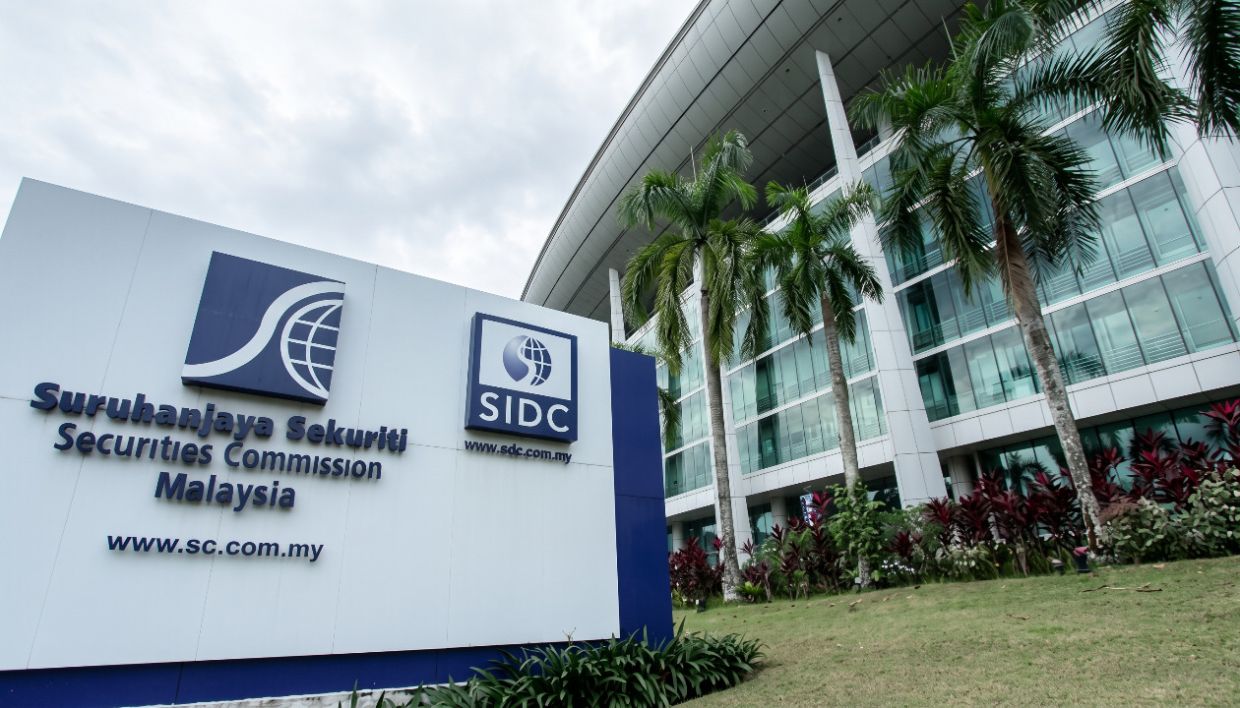
The Kuala Lumpur Sessions Court has imposed a three-year custodial sentence on Mohd Arif Fadzlee Mohd Arifin, a former banking sector analyst, after finding him culpable of breaching Malaysia's capital markets regulations. The conviction stemmed from charges brought by the Securities Commission Malaysia relating to illicit dealing in securities without appropriate authorisation and the improper assumption of professional credentials to mislead the public.
Mohd Arif faced two distinct charges under the Capital Markets and Services Act 2007, both lodged in January 2024. The first involved falsely representing himself as an agent of CIMB Wealth Advisors Berhad while engaging in securities dealing activities, a practice strictly reserved for holders of a Capital Markets Services Representative's Licence issued by the SC. The regulatory framework governing Malaysia's capital markets explicitly designates securities dealing as a controlled activity, requiring all practitioners to obtain proper licensing before approaching clients or executing transactions on their behalf.
The second charge centred on his misappropriation of the Unit Trust Consultant designation, a credential he did not legitimately possess. By using this title in his dealings with potential investors, Mohd Arif created a false impression of regulatory compliance and professional standing, effectively deceiving those who engaged with him into believing he operated within the bounds of law. This form of credential misrepresentation has long been identified as particularly damaging to investor confidence and market integrity.
The illicit activities occurred between 2011 in both Petaling Jaya and Nilai, locations where Mohd Arif actively solicited investment business. Following his initial charge, he was released on bail set at RM60,000 while awaiting trial. Rather than accepting responsibility, he chose to contest both allegations in court, a decision that prolonged the legal proceedings and ultimately proved unsuccessful.
During the trial proceedings, the Securities Commission presented a methodical case featuring ten witnesses, including two individuals who had suffered financial or reputational harm from his conduct. This evidentiary foundation proved crucial in establishing the prosecution's narrative. By late February 2026, the Sessions Court determined that the prosecution had successfully demonstrated a prima facie case, warranting Mohd Arif's requirement to mount a defence.
In his defence testimony, Mohd Arif chose to take the stand himself but called no corroborating witnesses to support his position. This tactical approach left the court to weigh his account solely against the evidence presented by the prosecution. The judge ultimately found his testimony insufficient to cast reasonable doubt on the charges, a critical threshold in Malaysian criminal procedure that requires the defence to demonstrate plausible alternative explanations.
The court's guilty verdict reflected the comprehensive nature of the evidence against him and his inability to convincingly rebut the factual and legal foundation of both charges. The sentencing of three years imprisonment for each offence, to be served concurrently rather than consecutively, represents a moderate application of the court's discretion within the legislative sentencing range.
Under section 59(1) of the Capital Markets and Services Act, persons convicted of unlicensed regulated activities face potential penalties reaching RM5 million in fines or five years imprisonment, or both. The offence under section 362(3) carries comparable maximum penalties of RM1 million or five years imprisonment. Mohd Arif's sentence thus fell within the lower to mid-range of permissible sanctions, suggesting the judge weighted the circumstances as serious but not warranting the maximum available punishment.
This conviction carries broader implications for Malaysia's financial services sector and investor protection framework. The case demonstrates that regulatory authorities and courts take unlicensed securities dealing seriously, particularly when practitioners deliberately misrepresent their credentials to gain client trust. For consumers, the outcome underscores the importance of verifying advisor credentials through official SC channels before committing funds to any investment scheme.
The enforcement action reflects the Securities Commission's ongoing vigilance against fraudulent practitioners who exploit regulatory gaps or deliberately circumvent licensing requirements. Malaysia's retail investors remain vulnerable to such schemes, particularly in smaller towns and secondary cities where financial literacy may be lower and oversight less intensive. The conviction sends a clear deterrent message that operating without proper authorisation carries substantial legal consequences.
For financial institutions like CIMB Wealth Advisors, the case raises questions about internal compliance and how former employees might improperly invoke institutional affiliation to establish false credibility. Firms must ensure robust checks prevent departing staff from exploiting past employment relationships to conduct unauthorised securities activities in the institution's name.
The sentencing also reflects broader regional trends in Southeast Asia regarding enhanced enforcement of capital markets regulations. As domestic investment markets mature and the stakes for protecting retail investors grow, courts across the region increasingly impose meaningful custodial sentences for serious licensing violations. The concurrent sentence structure, while not overlapping penalty terms, ensures Mohd Arif faces a definitive three-year period of incarceration rather than a compounded sentence.
Moving forward, this precedent should encourage prospective investors to conduct due diligence before engaging with any financial advisor, particularly those operating independently or in non-mainstream venues. The case exemplifies how sophisticated deception in financial services can unfold and why regulatory oversight mechanisms, combined with public awareness, remain essential safeguards for maintaining market confidence in Malaysia's capital markets ecosystem.

