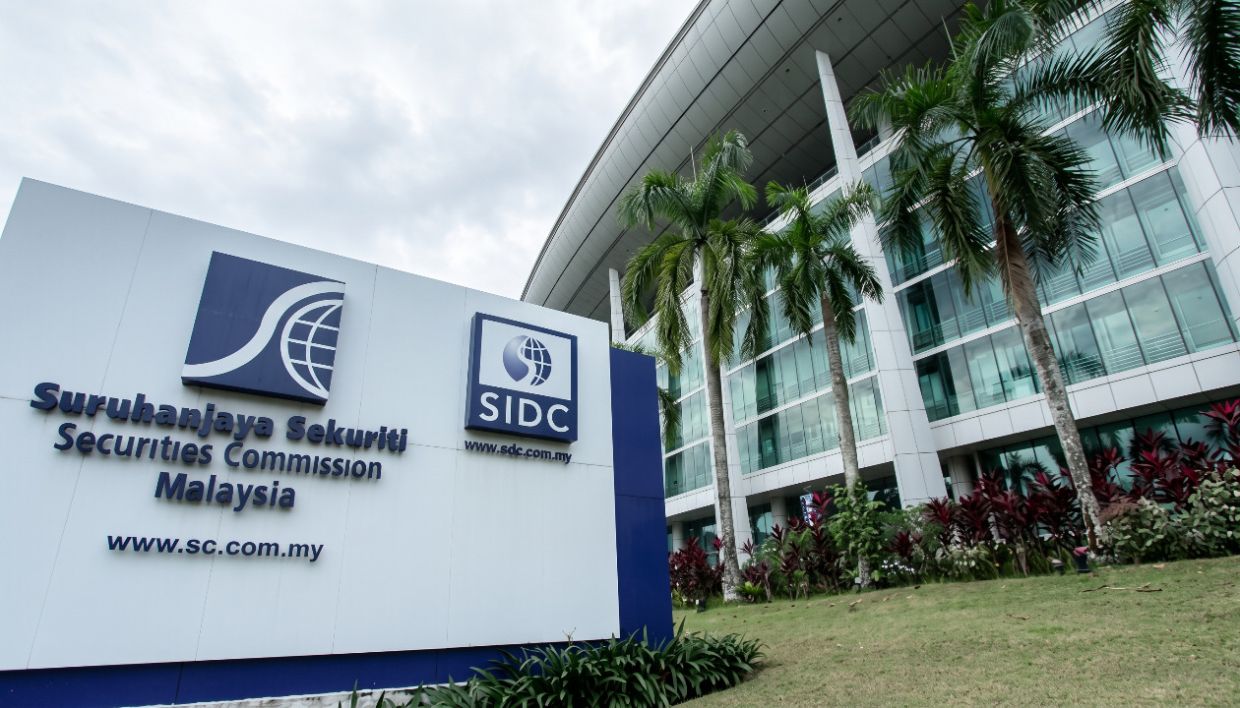
Muhamad Fadzli Jamaludin, a former company director, now faces a five-year jail sentence following his conviction by the Kuala Lumpur Sessions Court on charges of conducting unlicensed fund management activities and money laundering. The case represents a significant enforcement action by the Securities Commission Malaysia against unregulated financial services operations that have proliferated in the region, particularly targeting retail investors seeking higher returns outside the formal banking system.
The prosecution's case against Fadzli spanned multiple charges under the Capital Markets and Services Act 2007 and the Anti-Money Laundering, Terrorism Financing and Proceeds of Unlawful Activities Act 2001. His initial charges, filed in November 2023, focused on illegally presenting himself as a fund manager without the requisite licence from the SC. Within weeks, authorities added more serious money laundering allegations as investigators uncovered the financial flows connected to his fraudulent fund management operations, demonstrating the interconnected nature of unlicensed financial services and proceeds laundering in Malaysia's informal financial sector.
The court heard testimony from 23 witnesses throughout the trial, including six victims whose financial losses totalled RM1.263 million across the span of the illicit activities. These losses underscore the tangible harm suffered by ordinary Malaysians who placed their trust and savings with Fadzli's enterprise between August 2018 and April 2020. The geographic spread of the operation across Kuala Lumpur and Melaka suggests a deliberate effort to broaden the customer base and potentially evade regulatory oversight by operating across state boundaries, a common tactic among unlicensed operators seeking to complicate enforcement efforts.
Sessions Court judge Puan Hamidah Mohamed Deril determined that Fadzli's defence proved insufficient to establish reasonable doubt against the prosecution's evidence. The accused's decision to testify on his own behalf, while calling no corroborating witnesses, appears to have weakened his position considerably. His inability to mount a credible alternative narrative to counter the comprehensive evidence presented by 23 prosecution witnesses likely influenced the judge's assessment of his culpability.
The sentencing reflects the judicial system's serious stance toward financial crimes in Malaysia. Fadzli received five years imprisonment for each of the 12 charges, with the court ordering these terms to be served concurrently. While the concurrent arrangement means he will not serve 60 years, the five-year term still represents a substantial custodial sentence that signals the gravity with which courts treat breaches of capital markets regulation and money laundering in the Malaysian legal framework.
The legal framework governing fund management in Malaysia establishes clear boundaries that Fadzli violated with apparent deliberation. Under section 58 of the CMSA, individuals convicted of unlicensed fund management face penalties of up to RM10 million in fines or ten years imprisonment, or both. The money laundering convictions carry even more severe potential consequences, with maximum penalties reaching 15 years imprisonment plus fines equivalent to no less than five times the value of proceeds or RM5 million, whichever figure is higher. These provisions demonstrate Parliament's intent to deter sophisticated financial crimes through substantial punishment.
The distinction between concurrent and consecutive sentencing in this case has practical implications for Fadzli's release prospects. By ordering concurrent sentences, the judge ensured that the harshest single term would determine his incarceration length, allowing for potential early release through remission mechanisms after serving a proportionate portion of his time. This approach, while providing some leniency, still removes him from circulation for a significant period, protecting the public from his continued involvement in unlicensed financial activities.
For Malaysian investors and the broader financial services landscape, this conviction underscores critical vulnerabilities in detecting and prosecuting unlicensed operators. The SC's emphasis on its licensing requirements reflects an ongoing challenge in Southeast Asia, where many individuals seek investment returns beyond what conventional banks offer, making them susceptible to promises of superior performance from unregulated fund managers. The six victims in this case represent countless other retail investors across Malaysia and the region who face similar risks when dealing with unlicensed operators.
The case also highlights the SC's multi-pronged approach to policing Malaysia's capital markets. Beyond pursuing unlicensed fund management charges, investigators traced financial flows linked to the illicit activity and built money laundering cases demonstrating how proceeds from fraudulent schemes are concealed and displaced through the financial system. This integrated enforcement strategy, combining capital markets violations with anti-money laundering prosecutions, has become standard practice for financial crime units across Southeast Asia.
Going forward, the SC has reiterated its reminder that investors should exclusively engage with licensed entities and individuals for fund management services. This public communication serves multiple functions: it educates potential victims about regulatory safeguards, it reinforces the SC's authority and presence in capital markets oversight, and it demonstrates to licensed operators that competition from unlicensed rivals faces serious consequences. For Malaysian consumers accustomed to informal investment channels and personal networks, distinguishing licensed from unlicensed operators remains a persistent challenge that requires ongoing public education.
The Fadzli case also reflects broader regional trends in financial crime enforcement. Across Southeast Asia, regulators increasingly pursue integrated strategies against unlicensed financial services, recognizing that such operations often facilitate money laundering and other serious crimes. Malaysia's aggressive prosecution of this case signals to other potential unlicensed operators that the enforcement environment has toughened considerably, potentially deterring entry into such activities among marginal operators who might otherwise be tempted by the profit opportunities.
The five-year sentence will likely remain subject to appeal processes, during which Fadzli's legal team may seek to challenge the convictions or sentencing severity. However, the comprehensive evidence presented by the prosecution and the judge's clear assessment of his defence suggest limited grounds for overturning the verdict. This finality contributes to the deterrent effect of the case, making clear to would-be unlicensed operators that Malaysian courts impose meaningful consequences for capital markets violations and money laundering offences.

