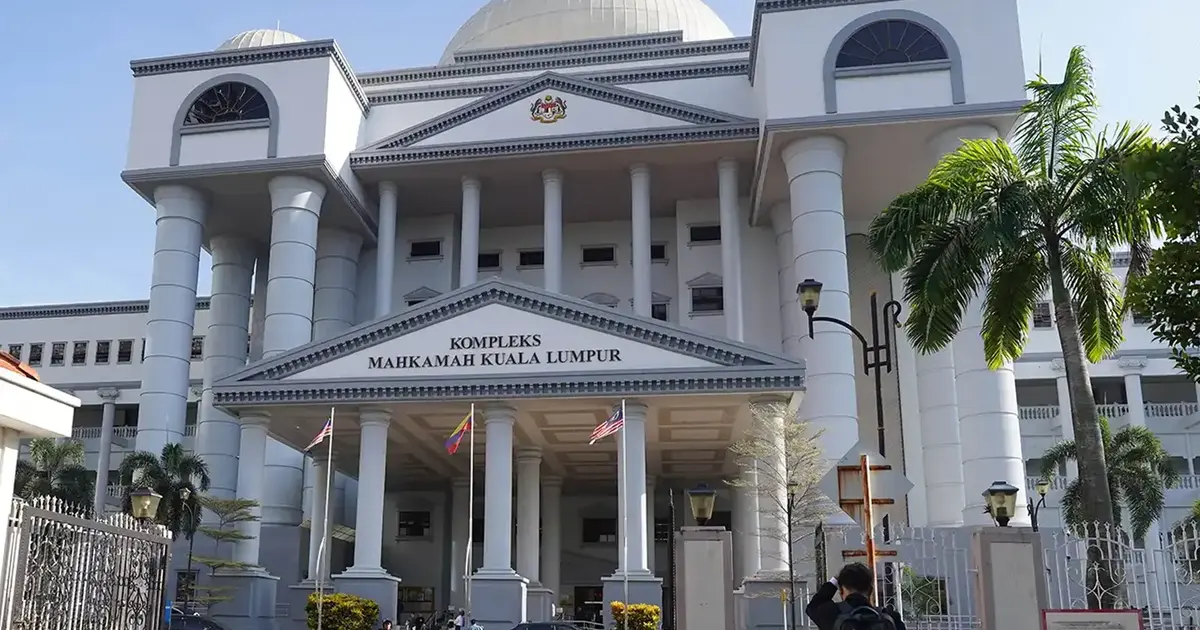
A significant court judgment has ordered the Malaysian government and police force to pay RM195,000 in compensation to 13 activists whose fundamental rights were violated through wrongful detention. The compensation case stems from arrests made during a candlelight vigil held at Dataran Merdeka on August 19, 2021, when the nation was commemorating those who had lost their lives to the Covid-19 pandemic. This ruling carries important implications for civil liberties in Malaysia and sets a precedent regarding the lawful use of police powers during public gatherings.
The activists were detained during what was intended to be a solemn memorial gathering to remember pandemic victims and reflect on lessons learned from the health crisis. The event had not been designed as a political protest but rather as a respectful remembrance ceremony, making the subsequent arrests particularly contentious when viewed through the lens of constitutional rights to peaceful assembly and expression. The scale of the compensation award—approximately RM15,000 per individual—reflects the courts' assessment of the severity and unjustified nature of their detention.
This judgment represents a watershed moment in Malaysian jurisprudence concerning police accountability and the protection of citizens engaging in lawful public expression. Over recent years, Malaysia has seen growing debate about the balance between public order maintenance and citizens' constitutional freedoms. Court decisions of this nature help clarify where those boundaries lie and establish important checks on executive power, particularly regarding law enforcement operations that may infringe upon basic rights without sufficient legal justification.
The August 2021 vigil occurred during a particularly tense period in Malaysia's pandemic response, when various lockdowns and restrictions were in effect across the country. Public frustration with health measures, economic impacts, and government handling of the crisis had reached a peak, creating a charged atmosphere for any public gathering. However, the courts have now determined that regardless of the broader context, the arrest and detention of these 13 individuals could not be legally justified, suggesting that law enforcement overstepped their authority.
For regional observers, this case illustrates how Southeast Asian democracies grapple with balancing security concerns against fundamental freedoms. Malaysia, like several neighbouring countries, has experienced tensions between state security apparatus expansion and civil liberty protections. The ruling sends a message that even during extraordinary circumstances such as pandemic response, the rule of law and constitutional protections cannot be suspended arbitrarily, and individuals harmed through unlawful state action have recourse through the courts.
The compensation order also carries financial implications for Malaysia's public coffers, as the government and police—funded by taxpayer money—must now disburse nearly RM200,000 for a wrongful detention that should never have occurred. This direct financial consequence creates an incentive structure for law enforcement agencies to exercise greater restraint and ensure legal compliance when dealing with public assembly situations. Such consequences, repeated across multiple cases, can gradually shift institutional behaviour and practice.
The broader context of police accountability in Malaysia remains contested terrain, with civil society organisations continually advocating for stronger oversight mechanisms and more transparent complaint processes. While individual compensation judgments are important, they typically come years after the incidents themselves and only affect specific cases. Systemic reform addressing how law enforcement receives training on constitutional limits, how command structures ensure field compliance with legal standards, and how citizens can lodge effective complaints against misconduct remains an ongoing challenge for Malaysian policymakers.
For the 13 activists themselves, the judgment represents vindication of their position but cannot fully restore the experience of wrongful detention. Beyond the personal impact, the case has contributed to building a body of jurisprudence that reinforces certain principles about lawful assembly and police conduct in democratic societies. Similar compensation awards from courts have previously signalled judicial willingness to hold state institutions accountable, yet the frequency of such cases suggests systemic issues persist.
The ruling also occurred against the backdrop of international human rights monitoring, with Malaysia regularly scrutinised by international bodies regarding its civil liberties record. Court judgments like this one can demonstrate to international observers that domestic legal institutions retain independence and capacity to constrain state actors, though questions remain about whether such judicial victories translate into meaningful institutional reform or merely represent post-hoc remedies for individual wrongs.
Looking forward, this case may encourage other individuals who experienced questionable arrests during pandemic-related public gatherings to pursue similar legal claims, potentially generating a series of civil claims against the state. If such claims accumulate, they may create sufficient pressure for more comprehensive reviews of police protocols and training regarding lawful assembly situations. Whether this judgment catalyses broader institutional change or remains an isolated victory for these particular activists will largely depend on how seriously the government and police take its implications.

