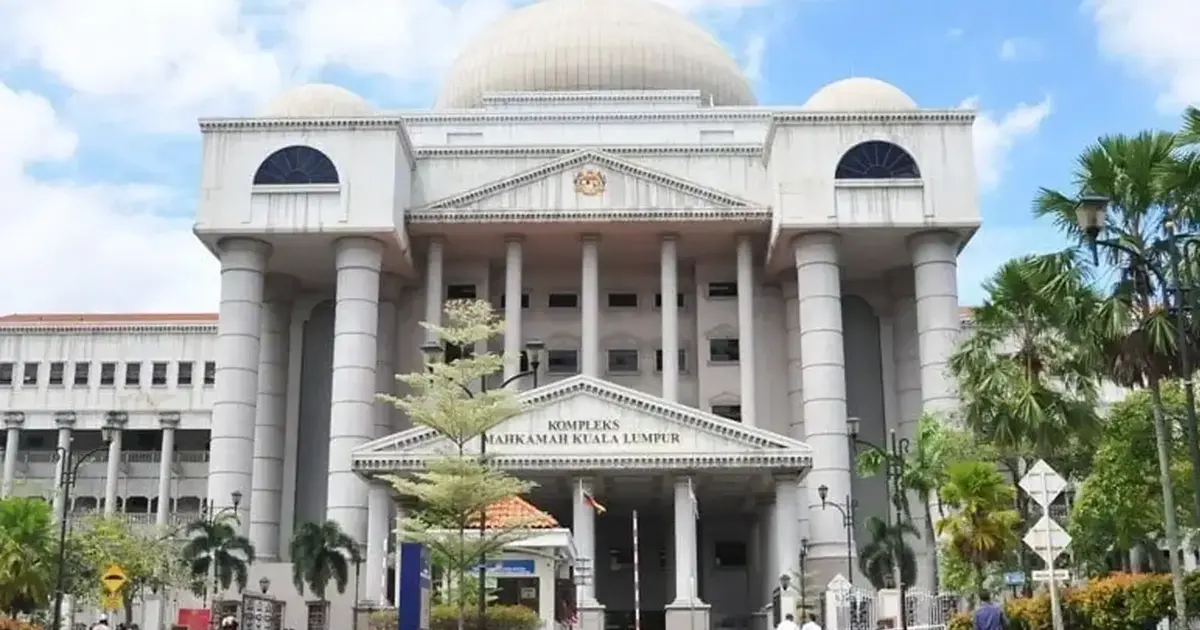
A High Court judgment has resulted in Sin Chew Media Corporation Bhd being ordered to pay RM400,000 in damages to businessman Yeoh Ee Seong following a defamation case that highlighted concerns about media accuracy and the potential consequences of suggestive reporting. The lawsuit centred on allegations that the Chinese-language daily had published a report containing implications linking Yeoh to criminal activity, specifically suggesting his involvement in orchestrating violence against a legal professional.
The dispute underscores an ongoing tension in Malaysia's media landscape between editorial freedom and the responsibility to verify information before publication. News organisations regularly face the challenge of balancing timely reporting with thorough fact-checking, particularly when covering sensitive matters involving criminal allegations or organised activity. Cases like Yeoh's demonstrate that courts remain vigilant in protecting individuals from reputational harm caused by careless or negligent journalism.
Yeoh's legal action against Sin Chew Media Corporation Bhd focused specifically on a published report that, while not explicitly naming him as the perpetrator, contained language and context that readers could reasonably interpret as attributing blame to him. This distinction between explicit and implicit accusations proves critical in defamation law, as courts have consistently held that false implications can be equally damaging to one's reputation as direct accusations. The High Court's assessment evidently found the publication fell short of acceptable journalistic standards in its handling of the allegations.
The RM400,000 award reflects the court's evaluation of damages appropriate to the harm suffered. In defamation cases, Malaysian courts consider multiple factors when determining compensation, including the seriousness of the false statement, the extent of publication, the plaintiff's standing in society, and the impact on his or her personal and professional life. The substantial quantum of damages suggests the court recognised significant reputational injury resulting from the publication.
For media organisations operating in Malaysia, this ruling carries important implications regarding editorial practices and legal exposure. Chinese-language publications like Sin Chew Daily reach millions of readers daily and wield considerable influence in shaping public perception, particularly within Malaysia's significant Chinese-speaking community. When such platforms publish unverified or misleading content, the potential for widespread reputational damage multiplies exponentially compared to smaller-circulation outlets.
The case also reflects broader regional patterns in media accountability. Throughout Southeast Asia, courts have increasingly intervened in defamation disputes as digital platforms amplify the reach and permanence of published content. What once might have been a localised misunderstanding now risks international circulation through social media sharing and online archives, making accuracy and verification ever more essential for responsible journalism.
Yeoh's successful legal challenge demonstrates that Malaysian courts remain responsive to protecting citizens' reputational interests against negligent media practices. The legal system has consistently maintained that individuals cannot be left without recourse when false or misleading publications cause demonstrable harm. This protection exists alongside guarantees of press freedom, reflecting an equilibrium that recognises both the essential role of journalism in democracy and the rights of individuals to remedy false accusations.
Sin Chew Media Corporation Bhd's obligation to pay the substantial award may also prompt internal reviews across Malaysian newsrooms regarding verification protocols, fact-checking procedures, and editorial oversight. Major publications typically implement multiple layers of review before publishing sensitive content involving criminal allegations, yet this case suggests those safeguards were inadequate in this instance. The financial penalty incentivises more rigorous internal processes.
The judgment carries particular significance for business figures and professionals who may become subjects of investigative reporting or criminal allegations. Yeoh's successful case establishes that individuals can pursue meaningful remedies when media outlets publish unfounded implications about their involvement in criminal conduct. This provides a counterbalance to media power and ensures that reputational damage resulting from defamatory publications carries real consequences for offending outlets.
Looking forward, this decision will likely influence how Malaysian media organisations approach reporting on sensitive subjects involving potential criminal conduct or organised activity. Editors and reporters must balance the public interest in knowing about serious allegations against the legal risk of publishing unverified implications. The High Court's decision makes clear that suggestive language or misleading context cannot substitute for verified facts when accusations of criminal involvement are implied.
The case also illustrates the importance of legal representation for individuals facing reputation damage. Yeoh's decision to pursue the matter through courts rather than accepting the published allegations highlights how persistent legal action can ultimately vindicate falsely accused individuals. For other Malaysian citizens facing similar situations, this judgment demonstrates that courts will award substantial damages when publication standards fall below acceptable thresholds.

