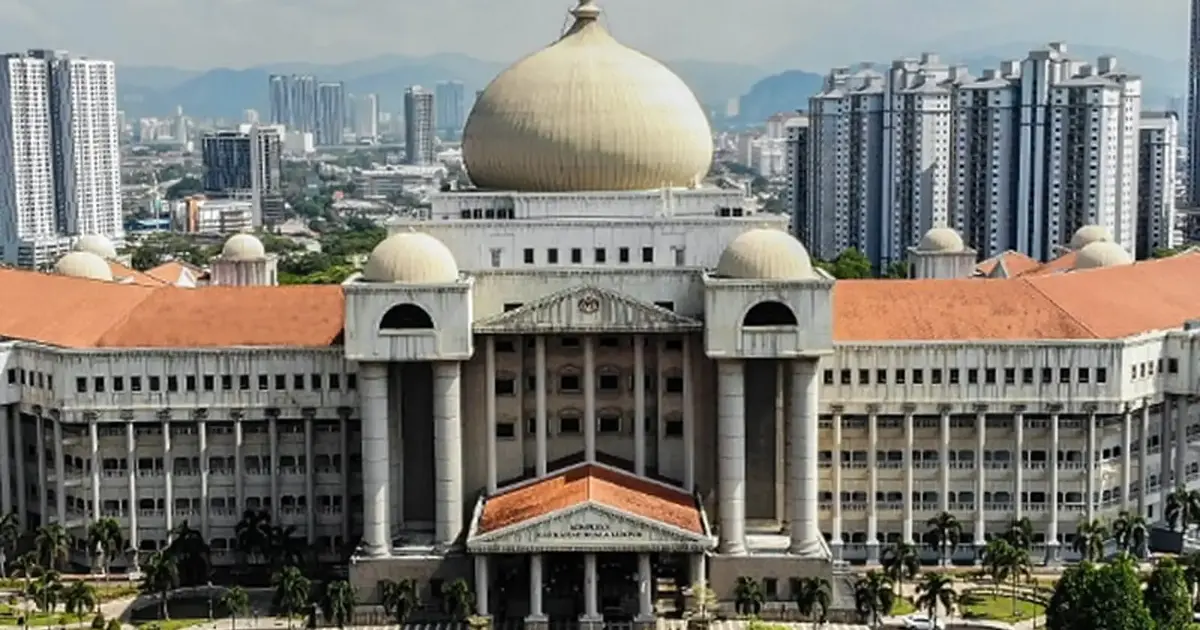
Malaysia's High Court has determined that the Prime Minister cannot be forced to give testimony in a RM30 million civil dispute, finding that he lacks the essential status of a material witness required to satisfy a court subpoena. The judicial decision establishes that the executive office holder's involvement in the matter does not rise to a level where his direct testimony would be necessary or relevant to the resolution of the proceedings.
The ruling represents a significant development in the intersection of executive privilege and judicial procedure within Malaysia's legal framework. High Court judges must balance competing interests when faced with requests to compel testimony from sitting government leaders—on one hand, the principle that no person stands above the law and should refuse court processes, and on the other, the practical and constitutional considerations surrounding the functioning of executive government. This particular judgment suggests the court found the latter considerations sufficiently weighty in this instance.
The concept of a "material witness" in legal practice refers to someone whose testimony would directly bear upon a central fact or dispute in a case. For a subpoena to be validly issued, the person summoned must possess knowledge or evidence that goes meaningfully to the heart of the matter. The court's position indicates that whatever connection the Prime Minister might have to the RM30 million suit, that connection does not constitute the type of direct, irreplaceable testimony that would warrant disrupting the ordinary functions of the highest executive office.
The implications of this ruling extend beyond the specific case at hand. For Malaysian legal practitioners and litigants, it provides guidance on the threshold questions that courts will apply when considering subpoenas directed at holders of high office. The decision does not establish blanket immunity for the Prime Minister or other senior officials; rather, it anchors the inquiry firmly to the materiality test—whether the witness's evidence is genuinely essential to the case's outcome.
This outcome may prove relevant to how Malaysian courts approach similar requests involving other constitutional office-holders or state leaders. The framework articulated here could influence future disputes where plaintiffs or defendants seek testimony from sitting ministers, civil service heads, or other government functionaries. Courts will need to examine closely whether the proposed witness possesses uniquely relevant knowledge that cannot be obtained through alternative sources or witness testimony.
From a comparative perspective, Malaysian courts have occasionally drawn upon Commonwealth legal principles regarding executive testimony. Many Commonwealth jurisdictions maintain established practices around compelling the appearance of government ministers in civil proceedings, typically reserving such compulsion for circumstances where no alternative avenue exists for obtaining crucial evidence. The High Court's reasoning appears aligned with these established international norms.
The RM30 million figure itself suggests a substantial commercial dispute, though the nature of the underlying controversy remains ancillary to the procedural question the court addressed. The plaintiff's decision to pursue a subpoena against the Prime Minister implies they believed his testimony possessed significance for their case. The High Court's rejection of this approach indicates the judicial institution assessed that belief as insufficient under the applicable legal standards.
For Malaysian business and legal communities, the ruling offers clarity that executive position alone does not provide a mechanism through which disputants can guarantee obtaining testimony from top government officials. Parties cannot use civil litigation as a pretext to compel senior executives' time on judicial matters unless their involvement meets the stringent materiality requirement. This protection for government operations reflects courts' recognition that the highest offices require continuity and focus on national responsibilities.
The decision also underscores the distinction between being a relevant party to events and being a necessary witness. The Prime Minister may well have knowledge of matters pertaining to the RM30 million dispute; what the High Court determined is that such knowledge does not translate into the legal category of material witness whose absence would substantially prejudice one party's ability to present their case fairly.
Looking forward, this ruling may influence how Malaysian litigants strategise in high-stakes disputes involving government involvement. Rather than pursuing subpoenas for political leaders or top officials, counsel may increasingly focus on obtaining testimony from subordinate officers, departmental records, and official communications that could establish the relevant facts without requiring executive testimony. The court's approach incentivises parties to develop alternative evidentiary pathways.
The judgment also reflects Malaysia's courts' careful calibration of judicial authority relative to executive prerogatives. Without surrendering the principle that no official stands beyond court process, Malaysian judges have recognised that the practical administration of justice sometimes requires acknowledging functional constraints on summoning holders of constitutional offices for testimony in ordinary civil disputes.
Regional observers of Malaysian jurisprudence will note how this decision contributes to the country's developing administrative and constitutional law. As Southeast Asia's legal systems continue evolving, precedents establishing the boundaries between judicial reach and executive function gain importance. This ruling demonstrates Malaysian courts' willingness to engage sophisticated analysis of these boundaries rather than adopting either extreme position of either absolute immunity or blanket compulsion.
%22%2F%3E%3C%2Fpattern%3E%3C%2Fdefs%3E%3Crect%20width%3D%22100%25%22%20height%3D%22100%25%22%20fill%3D%22url(%23ph2re9gg)%22%2F%3E%3Crect%20width%3D%22100%25%22%20height%3D%22100%25%22%20fill%3D%22url(%23ph2re9gp)%22%2F%3E%3Ctext%20x%3D%2250%25%22%20y%3D%2250%25%22%20text-anchor%3D%22middle%22%20dominant-baseline%3D%22central%22%20fill%3D%22rgba(255%2C255%2C255%2C0.95)%22%20font-family%3D%22Georgia%2C%20'Times%20New%20Roman'%2C%20serif%22%20font-weight%3D%22700%22%20font-size%3D%22194%22%20letter-spacing%3D%22-0.02em%22%3ETeacher%3C%2Ftext%3E%3C%2Fsvg%3E)
%22%2F%3E%3C%2Fpattern%3E%3C%2Fdefs%3E%3Crect%20width%3D%22100%25%22%20height%3D%22100%25%22%20fill%3D%22url(%23phu80ug)%22%2F%3E%3Crect%20width%3D%22100%25%22%20height%3D%22100%25%22%20fill%3D%22url(%23phu80up)%22%2F%3E%3Ctext%20x%3D%2250%25%22%20y%3D%2250%25%22%20text-anchor%3D%22middle%22%20dominant-baseline%3D%22central%22%20fill%3D%22rgba(255%2C255%2C255%2C0.95)%22%20font-family%3D%22Georgia%2C%20'Times%20New%20Roman'%2C%20serif%22%20font-weight%3D%22700%22%20font-size%3D%22136%22%20letter-spacing%3D%22-0.02em%22%3EProsecuti%E2%80%A6%3C%2Ftext%3E%3C%2Fsvg%3E)