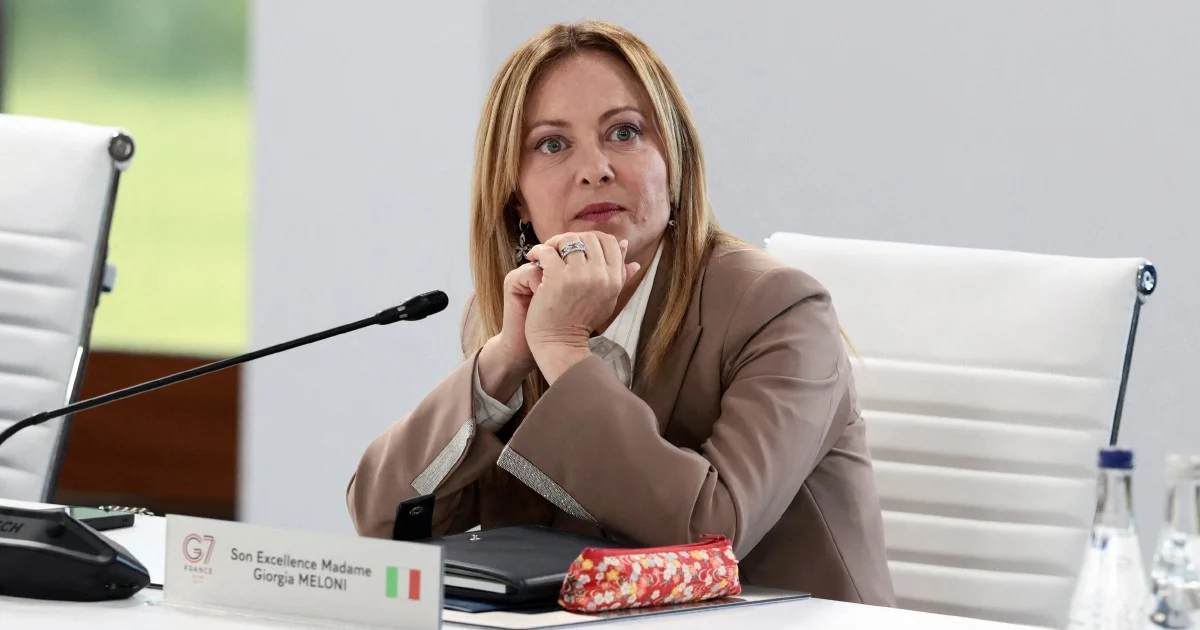
Italian Prime Minister Giorgia Meloni arrived at Donald Trump's second presidential inauguration in January 2025 as the sole European leader granted an exclusive invitation, a symbolic gesture that seemed to herald a new era of warmth between Washington and Rome. The carefully orchestrated appearance suggested Meloni had successfully positioned Italy as Trump's preferred European ally, potentially securing favourable treatment on trade, security, and diplomatic matters. Yet within months, this carefully cultivated relationship has fractured spectacularly, with Meloni now joining other European leaders in publicly criticising American policy decisions and Trump's governing approach.
Meloni's initial proximity to Trump reflected calculated strategy rather than ideological affinity alone. As a nationalist conservative, she shared Trump's scepticism towards multilateral institutions and his emphasis on national sovereignty. Italy, as the third-largest European economy and a Mediterranean power with substantial influence over North African migration patterns, offered Trump strategic value. Meloni's courting of the new administration suggested she understood that cultivating strong bilateral ties could advance Italian interests on several fronts, from trade negotiations to defence spending allocation within NATO.
The invitation to the inauguration carried particular significance for Meloni domestically. Italian voters had delivered her coalition a strong mandate in 2022, and appearing alongside Trump—a figure admired by her political base—reinforced her image as a leader capable of operating at the highest levels of global power politics. The optics suggested Italy was moving away from the EU's cautious approach to Trump and instead positioning itself as a bridge between Washington and Europe, a role that promised both prestige and practical benefits.
However, Trump's early policy moves created friction with European interests that Meloni could not ignore. His threatened tariffs on European goods, particularly affecting Italian manufacturing sectors, conflicted with her responsibility to protect domestic industries and employment. His withdrawal from or weakening of international agreements that Italy had committed to support complicated her standing within the EU and NATO alliance structures. The realisation that Trump's America-first approach would prioritise American interests over relationship maintenance became increasingly evident.
Meloni's shift from Trump advocate to critic accelerated as specific policy disagreements emerged. Her public statements began emphasising Italy's independent voice and European commitment, marking a calculated retreat from the exclusive alliance suggested by the inauguration appearance. This repositioning serves multiple purposes: it repairs her standing with other EU leaders, maintains Italy's voice in European decision-making forums, and allows her to address Italian public and business concerns about Trump's economic policies without appearing to have fundamentally misjudged the relationship.
For Malaysia and Southeast Asia, Meloni's reversal carries important implications. The trajectory demonstrates how quickly transatlantic relationships can destabilise under Trump's unpredictable leadership style, with leaders discovering that proximity to the American president offers neither guaranteed benefits nor lasting protection. Nations in this region, which have long balanced between American strategic alignment and other powers, will observe how even a sympathetic European leader ultimately found Trump's approach incompatible with national and regional interests.
The episode also reveals the limitations of bilateral diplomacy as a substitute for multilateral frameworks. Meloni's attempt to build an exclusive relationship with Trump, rather than negotiating collectively with other European powers, left Italy exposed when American priorities shifted away from maintaining the relationship. This pattern may influence how other nations approach engagement with the Trump administration, encouraging greater caution about isolating themselves from diplomatic partnerships in pursuit of singular relationships.
Meloni's public criticism now aligns her more closely with mainstream European positions, suggesting the initial inauguration appearance will likely be remembered as a tactical mistake rather than a strategic masterstroke. European leaders have increasingly coordinated responses to Trump's policies, and Meloni's pivot allows her to rejoin this collective front while claiming she maintains independent judgment and Italian interests.
The broader context involves Trump's unpredictability in managing alliance relationships and his tendency to view international relations through transactional lenses rather than long-term partnership building. Leaders who bet heavily on personal relationships with Trump have repeatedly found these arrangements fragile when American interests diverge from their own. Meloni's experience joins a growing list of cases demonstrating that proximity to Trump carries risks rather than guaranteed rewards.
For Malaysia, these dynamics underscore the importance of maintaining diversified diplomatic engagement rather than concentrating relationships with single powers. Italy's experience suggests that exclusive alignment with any external power, regardless of its apparent strength or leader's apparent friendliness, can leave nations vulnerable to sudden policy shifts and abandoned priorities.
Moving forward, Meloni faces the challenge of repairing relationships with EU partners while managing ongoing engagement with the Trump administration. Her public criticism indicates she has chosen European positioning over transatlantic proximity, a choice that suggests even sympathetic European conservatives find Trump's governance style ultimately unmanageable. The Italian prime minister's trajectory from Trump whisperer to critic reflects not personal inconsistency but rather the collision between initial strategic calculations and the harsh realities of dealing with an administration that consistently prioritises unpredictable American interests above maintaining diplomatic relationships.

%22%2F%3E%3C%2Fpattern%3E%3C%2Fdefs%3E%3Crect%20width%3D%22100%25%22%20height%3D%22100%25%22%20fill%3D%22url(%23ph43s4kg)%22%2F%3E%3Crect%20width%3D%22100%25%22%20height%3D%22100%25%22%20fill%3D%22url(%23ph43s4kp)%22%2F%3E%3Ctext%20x%3D%2250%25%22%20y%3D%2250%25%22%20text-anchor%3D%22middle%22%20dominant-baseline%3D%22central%22%20fill%3D%22rgba(255%2C255%2C255%2C0.95)%22%20font-family%3D%22Georgia%2C%20'Times%20New%20Roman'%2C%20serif%22%20font-weight%3D%22700%22%20font-size%3D%22136%22%20letter-spacing%3D%22-0.02em%22%3ERonaldinho%3C%2Ftext%3E%3C%2Fsvg%3E)