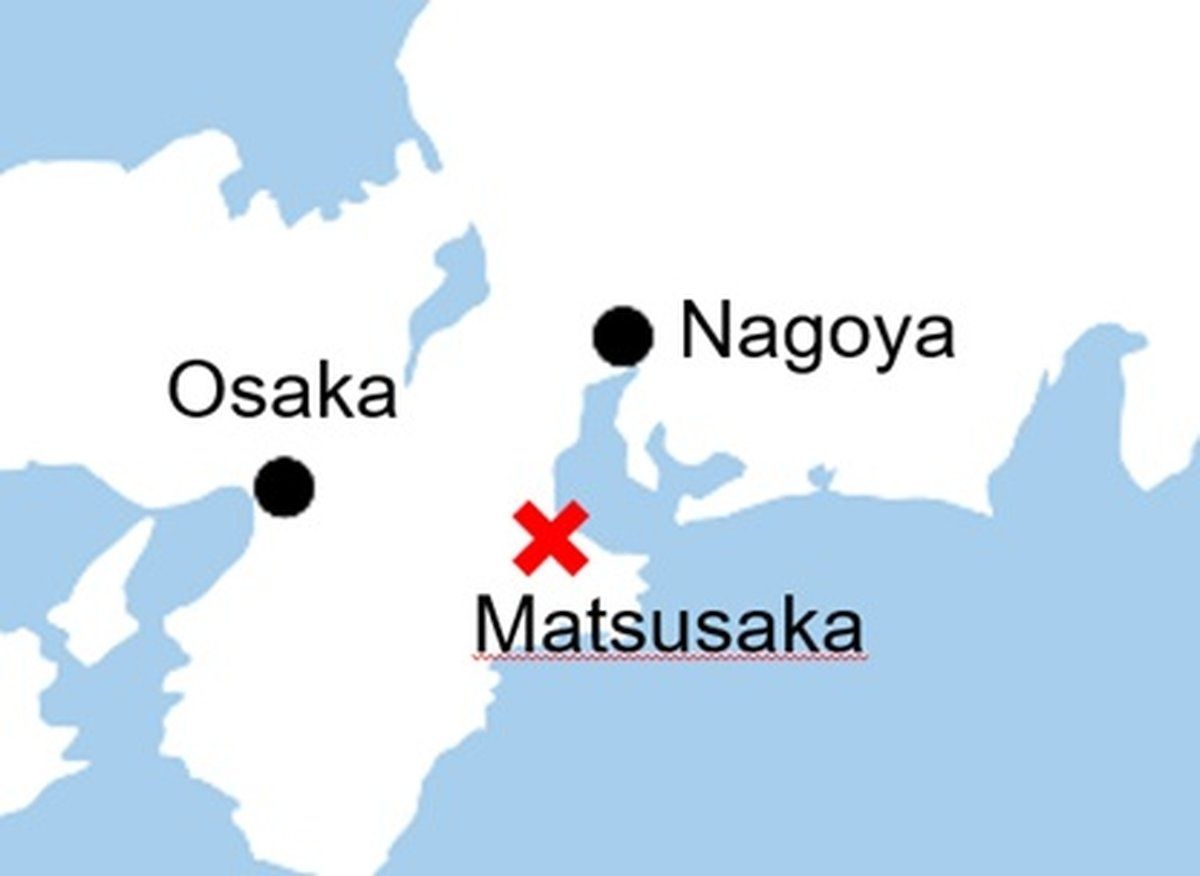
A 35-year-old resident of Matsusaka in Mie Prefecture, Japan, has been arrested by police for allegedly placing his partner's five-year-old daughter into a garbage bin and securing the lid shut. The arrest came on Thursday, 18 June, following an investigation that began weeks earlier. According to statements from the suspect, he justified the incident as a form of parental discipline, though authorities have characterised it as unlawful confinement of a minor.
The alleged incident occurred at approximately 6:30 pm on 12 May at the man's partner's residence in Mie Prefecture. Police investigations confirmed that the suspect physically carried the young girl to the outdoor garbage container, placed her inside, and closed the lid, restricting her movement and access to fresh air. The child remained confined in this manner for roughly five minutes before being released. Despite the potentially dangerous circumstances—including the risk of suffocation, injury, or psychological trauma—the girl emerged from the incident without any reported physical injuries.
The case remained dormant until 20 May, when a child welfare centre in the prefecture became aware of the confinement incident through unknown channels and immediately escalated the matter to local police. This reporting mechanism, while delayed by approximately eight days, enabled authorities to intervene and launch a formal investigation. The welfare centre's involvement underscores Japan's child protection infrastructure, which operates through mandatory reporting systems to prevent further abuse. Officials determined that the circumstances warranted protective measures for the child.
Beyond the immediate victim, authorities identified additional concerns within the household. The girl's older sister was subsequently taken into protective custody by the child welfare centre, indicating that investigators suspected a broader pattern of potential mistreatment or unsafe living conditions. This decision reflects a precautionary approach to safeguarding minors in environments where such incidents have occurred, ensuring that other children in the household receive assessment and protection as needed.
The suspect has confessed to the allegations during police questioning, admitting his involvement in the confinement incident. His admission of guilt simplifies the investigative process and likely accelerates proceedings toward potential prosecution. The characterisation of the action as "discipline" reveals a fundamental misunderstanding or deliberate justification of appropriate childcare and parental guidance, highlighting broader concerns about child welfare standards and parental accountability in the jurisdiction.
This incident reflects persistent challenges in child protection across East Asia, where cultural attitudes toward physical punishment and strict discipline sometimes blur the boundaries of abuse. In Malaysia and the region, similar cases periodically surface, often involving step-parents, live-in partners, or guardians whose authority over children creates vulnerable situations. The psychological impact of such incidents on young children—fear, trauma, loss of trust—often extends far beyond any physical injury sustained, affecting developmental outcomes and emotional wellbeing during critical formative years.
Japan's formal response to this case demonstrates the importance of institutional oversight and the child welfare system's role in intervening when suspected abuse is reported. The detention of both the primary victim and her sister within the care system ensures that both children receive appropriate support, psychological assessment, and safety measures while the legal process unfolds. Such protective custody arrangements are essential when children are removed from environments deemed unsafe.
The case also highlights the significance of delayed reporting and the critical window for intervention. The eight-day gap between the incident on 12 May and the welfare centre's notification on 20 May represents a period during which the child remained in the same household as her alleged perpetrator, vulnerable to further harm. This temporal gap underscores why robust reporting mechanisms and community vigilance are essential components of child protection frameworks.
As investigations proceed, prosecutors will need to establish whether charges will be filed formally and what sentencing guidelines apply under Japanese law for unlawful confinement of a minor in domestic settings. The distinction between discipline and abuse remains a contested legal and social boundary in many jurisdictions, but the physical confinement of a small child in a sealed garbage container crosses virtually any reasonable threshold into criminal conduct. The case may influence broader policy discussions about parental authority limits and mandatory training requirements for caregivers in Japan.
For Malaysian observers, this incident serves as a reminder that child protection remains a transnational concern, affecting wealthy nations with sophisticated welfare systems as readily as developing countries. The prevalence of such cases suggests that education for caregivers, community reporting mechanisms, and swift institutional responses remain inadequate across the region. Strengthening child protection infrastructure—through training, awareness, and enforcement—requires sustained commitment from governments, civil society, and communities alike to prevent vulnerable children from suffering preventable harm within domestic settings.