The Malaysian Media Council has identified the upcoming Johor and Negeri Sembilan state elections as a critical testing ground for its newly developed Rapid Response Election Initiative, a mechanism designed to combat the spread of disinformation and synthetic content during electoral campaigns. With elections scheduled for July 11 in Johor and August 1 in Negeri Sembilan, the council sees the back-to-back timeline as an ideal opportunity to evaluate, refine and improve the system in real-world conditions.
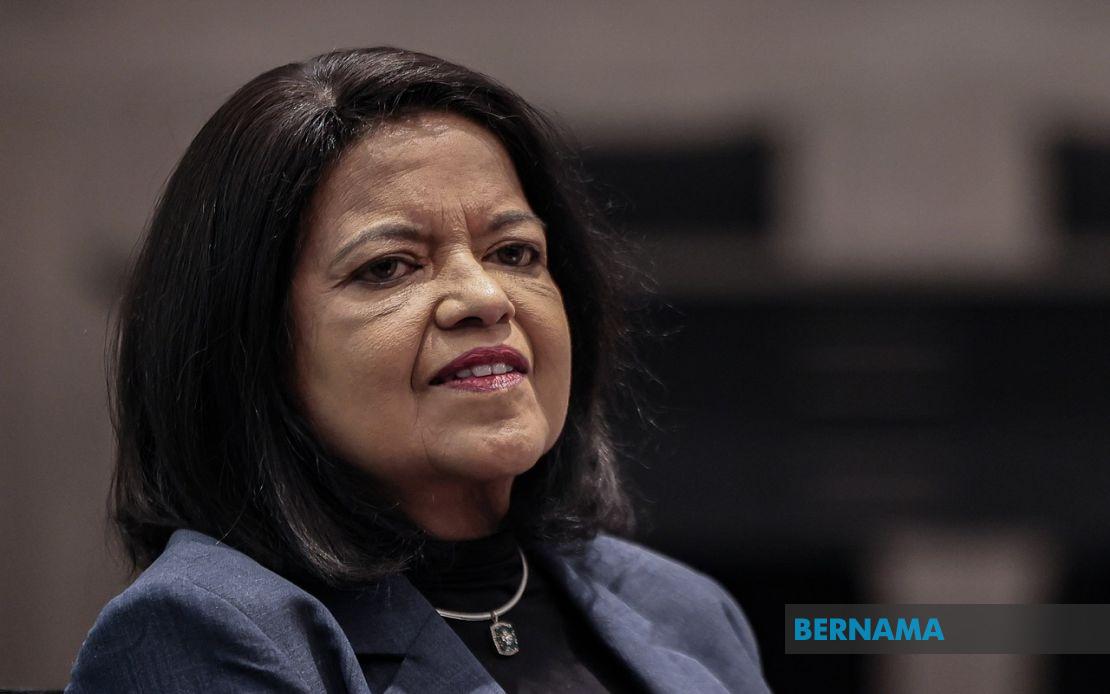
Tan Sri Nallini Pathmanathan, MMC chairperson, emphasised the strategic advantage of having two elections in such close succession. Lessons learned and operational adjustments made during the Johor election can be directly implemented and tested again during the Negeri Sembilan poll, allowing for continuous improvement of the initiative while it is actively deployed. This approach transforms what could be a single-election test into a more comprehensive evaluation framework, with each election informing the next.
The initiative targets a specific and growing problem: fabricated content falsely attributed to established media organisations. This includes doctored news graphics bearing media logos, manipulated screenshots designed to appear as legitimate reporting, and entirely fabricated articles presented as originating from recognised news outlets. By focusing on verifying attribution rather than fact-checking political claims, the council has positioned the mechanism as a tool for protecting institutional integrity rather than arbitrating electoral rhetoric.
Operationally, the system distributes responsibilities among multiple stakeholders in a coordinated framework. The MMC serves as the central coordinator, directing disputed content to the appropriate verification body. Media organisations themselves take the lead in confirming whether questioned content actually originated from their platforms, giving individual news outlets direct control over their own institutional identity. The Election Commission provides authoritative clarification on election procedures and regulatory matters, while Bernama assists in distributing verified corrections to the public through its established networks.
Content Forum Malaysia partners on digital platform issues and media literacy education, extending the initiative's reach beyond immediate fact-checking into longer-term voter resilience. The Department of Community Communications and National Information Dissemination Centres ensure that verified information penetrates rural and remote areas where misinformation often takes deepest root. The Malaysian Communications and Multimedia Commission remains available for regulatory or technical interventions when disputes involve social media platforms or require enforcement action.
The council deliberately circumscribed the initiative's scope to avoid overreach. The mechanism will not attempt to verify political manifestos, assess campaign claims or judge the accuracy of candidate statements. Such determinations would inevitably entangle the council in editorial judgments about political content, undermining the perception of neutrality essential to its credibility. Instead, the initiative focuses narrowly on the verifiable question of whether specific content genuinely came from the media organisation it claims to represent.
Nallini illustrated the initiative's practical application with a concrete example: if a false graphic bearing a media organisation's logo circulates during the campaign falsely claiming a candidate has withdrawn, the organisation can verify and debunk the claim within minutes. This rapid turnaround is crucial because misinformation spreads fastest in its early hours, before correction gains any traction. By compressing the verification timeline from hours to minutes, the council aims to prevent false narratives from establishing themselves in the public consciousness.
The growing sophistication and accessibility of synthetic media technology underscores the initiative's timeliness. Artificial intelligence can now generate convincing fabricated news graphics, doctored videos and realistic-sounding reports with alarming ease and speed. During election campaigns, when voters' attention is heightened and political stakes are elevated, such content can exert disproportionate influence. The council's focus on rapid verification represents a pragmatic response to technological capabilities that outpace traditional fact-checking mechanisms.
Complementing the rapid response system, the MMC will launch a public awareness campaign centred on the bilingual slogan "Who Said It? What's The Source?" translated colloquially as "Siapa kata? Sos mana?" The campaign seeks to cultivate voter scepticism and verification habits at the individual level, encouraging citizens to interrogate information sources before accepting or sharing claims. This educational dimension acknowledges that technological solutions alone cannot solve information integrity problems—voter behaviour and critical thinking capacity matter equally.
Nallini framed the awareness campaign as an invitation to active participation rather than passive compliance. Citizens retain full rights to read, debate, share and engage in electoral discourse, but healthy democratic participation depends on foundational trust in information sources. The campaign rejects calls for silence or withdrawal from political discussion, instead promoting informed and conscientious engagement. By asking voters to pause and verify before sharing, the initiative seeks to inject friction into the misinformation supply chain at its most critical point: the moment individual citizens decide whether to amplify or question a claim.
The initiative addresses a vulnerability in Malaysia's information ecosystem that became apparent during previous electoral cycles. While media organisations and government agencies maintain robust fact-checking capabilities, misinformation often succeeds not because it withstands scrutiny but because it spreads faster than scrutiny can reach it. The MMC's rapid response approach attempts to compress verification timelines to match the speed of viral propagation, creating a more symmetrical competition between truth and falsehood.
Communications Minister Datuk Fahmi Fadzil's presence at the launch session signalled government backing for the initiative, though the council has structured the programme to preserve editorial independence and maintain distance from direct government control. This distinction matters because disinformation frequently succeeds by claiming government conspiracy or media bias. An initiative perceived as a government propaganda tool would undermine rather than strengthen public trust in verified information.
The Johor and Negeri Sembilan elections will generate valuable data about the initiative's effectiveness in Malaysian conditions. Factors including voter receptiveness to the campaign message, the frequency of false media attribution claims, the speed at which verification can be completed, and the degree to which corrections gain circulation compared to original misinformation will all inform subsequent refinements. Success in these state elections could pave the way for expanded deployment during future national elections, where the scale and sophistication of disinformation campaigns typically reaches higher levels.