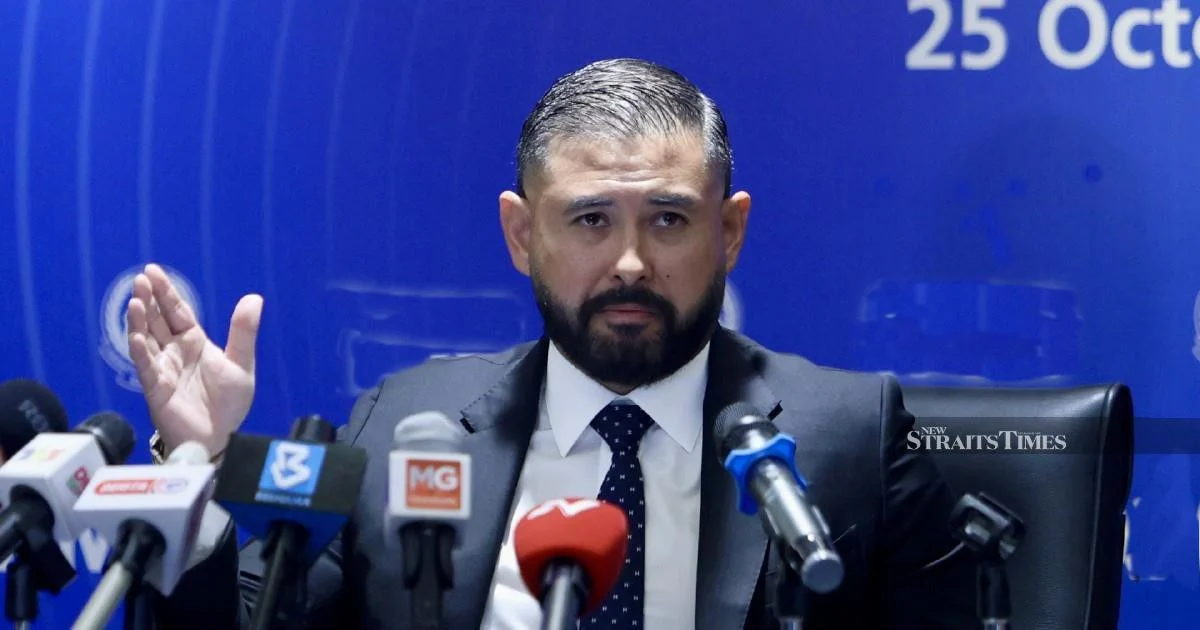
Johor's Regent Tunku Ismail Sultan Ibrahim has challenged the Prime Minister's recent remarks characterising the state as wealthy yet burdened by substantial leakages in its fiscal management. The Regent's intervention marks a significant escalation in the debate surrounding Johor's revenue generation and collection, introducing a sharply different diagnosis of the state's financial challenges than what was previously articulated by federal leadership.
The Regent's rebuttal reframes the narrative surrounding Johor's economic position. Rather than accepting the characterisation of administrative wastage or mismanagement within state structures, he contends that the core issue lies with how the federal government administers resource allocation and revenue sharing mechanisms. This distinction carries profound implications for understanding not just Johor's fiscal health, but the broader relationship between federal and state governments in Malaysia's revenue distribution system.
Johor's position as one of Malaysia's economically significant states adds weight to this dispute. The state generates substantial revenues through various channels including port operations, land sales, and economic activities, yet the Regent's assertion suggests these revenues are not being properly returned to state coffers under existing federal arrangements. This argument resonates with longstanding tensions between state governments and Kuala Lumpur over resource allocation formulas and the mechanisms determining how much state-generated revenue flows back to state authorities.
The timing of this public disagreement appears deliberate, potentially signalling growing frustration with federal-state financial arrangements. By directly contradicting the Prime Minister's assessment, the Regent is elevating what might otherwise be routine budgetary discussions into a matter of public political significance. This elevation suggests deeper concerns about Johor's capacity to fund its own development priorities and maintain public services at desired levels.
Understanding the Regent's position requires examining Malaysia's complex revenue-sharing architecture. States generate revenue through various means, but the federal government collects and redistributes funds through multiple channels, including the annual budget allocation process. The Regent's criticism implies that existing mechanisms do not adequately compensate Johor for revenues originating within its borders, or that federal deductions and allocations to federal projects within the state exceed what the state considers fair.
This dispute also highlights the distinction between administrative efficiency and structural financial arrangements. The Prime Minister's reference to leakages suggests problems within Johor's own operations—inefficiencies, waste, or misallocation. The Regent counters that such characterisations misdiagnose the problem, instead pointing to decisions made at the federal level regarding which state revenues are retained by federal authorities versus returned to state control. This is a fundamentally different issue requiring different solutions.
For Malaysian taxpayers and residents of Johor, the implications are significant. If the Regent's assessment is accurate, addressing the state's financial constraints cannot be solved through improved state administration alone; it would require renegotiating federal-state financial relationships. Conversely, if the Prime Minister's concern about leakages has merit, solutions would focus on tightening state-level financial controls and governance. The truth likely involves elements of both, but the public disagreement prevents unified policy action.
The statement also reflects broader political dynamics within Malaysia's federal structure. Johor's status as a major economic contributor gives its leadership considerable standing to challenge federal characterisations of state performance. The Regent, as a hereditary ruler with constitutional authority in Johor, carries particular weight in such disputes, and his willingness to engage directly with the Prime Minister suggests confidence in the legitimacy of his position.
Other Malaysian states facing similar federal-state tensions will likely monitor this dispute closely. If the Regent succeeds in pressuring the federal government to reconsider revenue-sharing arrangements or demonstrate greater fairness in federal allocations, it could embolden leaders in other states to raise comparable concerns. Conversely, if the federal government stands firm on its position, it may signal limits to how far state leaders can publicly challenge federal fiscal policies.
The dispute underscores a persistent challenge in Malaysia's governance architecture: balancing federal authority with state autonomy in financial matters. Johor, blessed with significant economic activity and generating substantial revenues, nonetheless feels constrained in its ability to deploy those resources for state priorities. The Regent's public intervention suggests this constraint has become intolerable from the state's perspective.
Moving forward, resolving this disagreement will require either genuine negotiation over revenue-sharing formulas or political accommodation allowing each side to claim victory. Without substantive change, the dispute threatens to fester, complicating future federal-state relations and potentially encouraging other states to voice similar grievances. The financial health of Malaysia's states, particularly major contributors like Johor, ultimately affects the nation's overall economic performance and public service quality.


%22%2F%3E%3C%2Fpattern%3E%3C%2Fdefs%3E%3Crect%20width%3D%22100%25%22%20height%3D%22100%25%22%20fill%3D%22url(%23ph58b6pg)%22%2F%3E%3Crect%20width%3D%22100%25%22%20height%3D%22100%25%22%20fill%3D%22url(%23ph58b6pp)%22%2F%3E%3Ctext%20x%3D%2250%25%22%20y%3D%2250%25%22%20text-anchor%3D%22middle%22%20dominant-baseline%3D%22central%22%20fill%3D%22rgba(255%2C255%2C255%2C0.95)%22%20font-family%3D%22Georgia%2C%20'Times%20New%20Roman'%2C%20serif%22%20font-weight%3D%22700%22%20font-size%3D%22320%22%20letter-spacing%3D%22-0.02em%22%3EMMC%3C%2Ftext%3E%3C%2Fsvg%3E)