%22%2F%3E%3C%2Fpattern%3E%3C%2Fdefs%3E%3Crect%20width%3D%22100%25%22%20height%3D%22100%25%22%20fill%3D%22url(%23ph58b6pg)%22%2F%3E%3Crect%20width%3D%22100%25%22%20height%3D%22100%25%22%20fill%3D%22url(%23ph58b6pp)%22%2F%3E%3Ctext%20x%3D%2250%25%22%20y%3D%2250%25%22%20text-anchor%3D%22middle%22%20dominant-baseline%3D%22central%22%20fill%3D%22rgba(255%2C255%2C255%2C0.95)%22%20font-family%3D%22Georgia%2C%20'Times%20New%20Roman'%2C%20serif%22%20font-weight%3D%22700%22%20font-size%3D%22320%22%20letter-spacing%3D%22-0.02em%22%3EMMC%3C%2Ftext%3E%3C%2Fsvg%3E)
The Malaysian Media Council held an informal networking dinner in Butterworth on June 20 to connect with journalists and media professionals across Penang, Kedah, Perak and Perlis, marking a deliberate shift in outreach strategy that prioritises regional representation. The gathering coincided with the principal HAWANA 2026 event, which Prime Minister Datuk Seri Anwar Ibrahim opened earlier that day at PICCA@Arena Butterworth Convention Centre, drawing approximately 1,000 media practitioners from Malaysia and internationally.
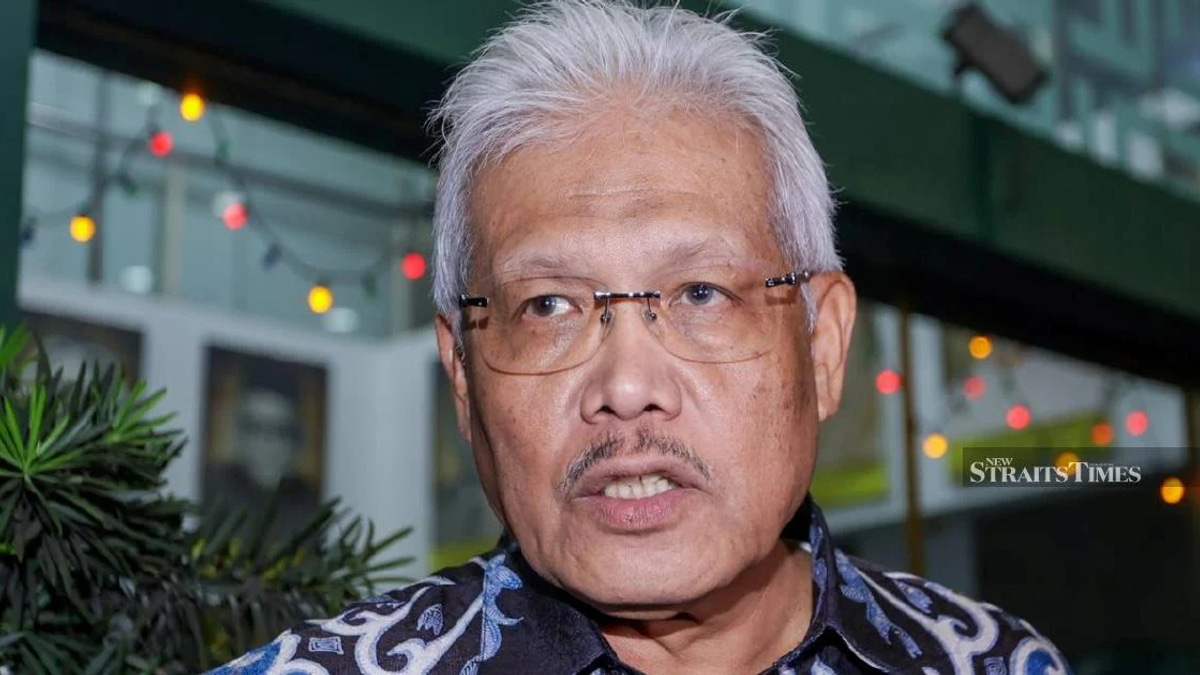
MMC secretary Radzi Razak explained that the engagement session served multiple objectives beyond the ceremonial aspects of National Journalists' Day. By convening more than 50 representatives from the four northern states alongside council board members and secretariat personnel, the MMC aimed to create an environment where substantive dialogue could occur without the formality that often characterises institutional interactions. The informal setting proved significant, as it enabled media practitioners to raise concerns and discuss challenges they encounter in their respective regions while allowing MMC leadership to understand the specific circumstances facing newsrooms outside the capital.
A primary motivation for the northern region initiative stemmed from institutional reflection within the MMC regarding its geographic footprint and perceived relevance. Radzi acknowledged that the council historically concentrated its activities and interactions within the Klang Valley, inadvertently creating an impression that the organisation primarily served media practitioners in Malaysia's capital. This perception risked undermining the MMC's legitimacy as a nationwide representative body. By establishing a deliberate programme of regional engagement, the council seeks to demonstrate that its mandate encompasses journalists and media organisations operating throughout the country, irrespective of location or market size.
The timing of the northern engagement held particular significance given recent institutional transitions within the MMC. The council appointed Tan Sri Nallini Pathmanathan, a retired Federal Court judge, as chairman on June 15, just days before the Butterworth session. For the media practitioners attending, the informal gathering presented an opportunity to meet the new leadership directly and understand their vision for the organisation's future trajectory. This introduction in a relaxed setting contrasted with more formal institutional announcements, allowing for the kind of personal connection that often influences stakeholder confidence and engagement.
Radzi articulated a broader philosophy underpinning the MMC's regional strategy, framing it not merely as a public relations exercise but as a necessary correction of institutional imbalance. The council recognises that media ecosystems in Penang, Kedah, Perak and Perlis operate under distinct economic, political and social conditions compared to the Klang Valley environment. Regional newsrooms face particular challenges related to resource constraints, advertiser dependency, and access to professional development opportunities that may differ markedly from conditions in larger urban centres. By establishing direct channels of communication with these communities, the MMC positions itself to develop policies and support mechanisms that reflect the actual circumstances facing journalists beyond the capital.
The MMC has already scheduled subsequent regional engagement initiatives, with particular focus directed toward Sarawak. A dedicated Sarawak Media Conference planned for July will extend this outreach strategy into Malaysian Borneo, acknowledging that East Malaysian media practitioners operate within their own distinct regulatory, business and professional contexts. This structured programme of regional visits indicates that the Butterworth session represents the beginning of sustained institutional engagement rather than an isolated event, suggesting the council is institutionalising regional consultation as an operational principle.
The underlying motivation for this geographic expansion reflects broader challenges confronting Malaysia's media industry. By establishing stronger connections with journalists and media organisations throughout the country, the MMC gains invaluable intelligence about emerging problems, industry trends, and professional concerns that might otherwise remain invisible to centralised institutional structures. Moreover, when regional practitioners engage directly with council leadership, they develop stronger investment in the MMC's mission and greater likelihood of implementing council guidance or standards within their own newsrooms.
HAWANA 2026, themed "Media Integrity Strengthens Credibility," provided an appropriate backdrop for these discussions. The National Journalists' Day celebration, organised by the Ministry of Communications with Bernama as implementing agency, offered a platform for reflecting on the profession's contributions and challenges. The presence of both domestic and international journalists enabled comparative discussion of media integrity practices across different regulatory environments, providing context for conversations about how Malaysian practitioners can strengthen credibility amid evolving information landscapes.
The broader significance of the MMC's regional strategy extends beyond institutional relationship management. As Malaysia's media landscape continues fragmenting across digital and traditional platforms, professional standards and ethical practices risk becoming inconsistent across regions. A geographically dispersed council presence helps ensure that smaller markets and regional newsrooms maintain access to professional guidance, industry standards and peer networks that strengthen the overall quality and credibility of Malaysian journalism. Without such institutional engagement, peripheral media markets could gradually become disconnected from national professional discourse, potentially exacerbating quality variations across the country.
For journalists in the northern states, the MMC's increased engagement signals renewed institutional commitment to their concerns and professional development. Many regional practitioners work in smaller organisations with limited resources for professional training, ethics consultation or industry advocacy. The council's presence and direct accessibility provide channels through which these practitioners can access support, guidance and representation that they might otherwise lack. This accessibility particularly matters for independent journalists and practitioners in smaller publications who operate without the institutional infrastructure available to larger metropolitan newsrooms.
The MMC's strategy also reflects recognition that media regulation and professional standards require legitimacy that extends beyond formal authority. When practitioners genuinely believe that regulatory and representative bodies understand their circumstances and operate in their interests, compliance with standards and ethical codes strengthens accordingly. The Butterworth gathering and planned regional initiatives represent investments in this legitimacy, acknowledging that institutional authority depends significantly on demonstrated commitment to stakeholders throughout the geographic jurisdiction.
Looking forward, the MMC's regional engagement strategy will likely shape institutional priorities and policy development. Direct dialogue with practitioners across different regions provides grounded understanding of how national policies affect actual newsroom operations, enabling the council to refine approaches that balance national standards with regional variation. This participatory approach to policy development contrasts with purely top-down institutional models and should result in more contextually appropriate guidance and support across Malaysia's diverse media landscape.