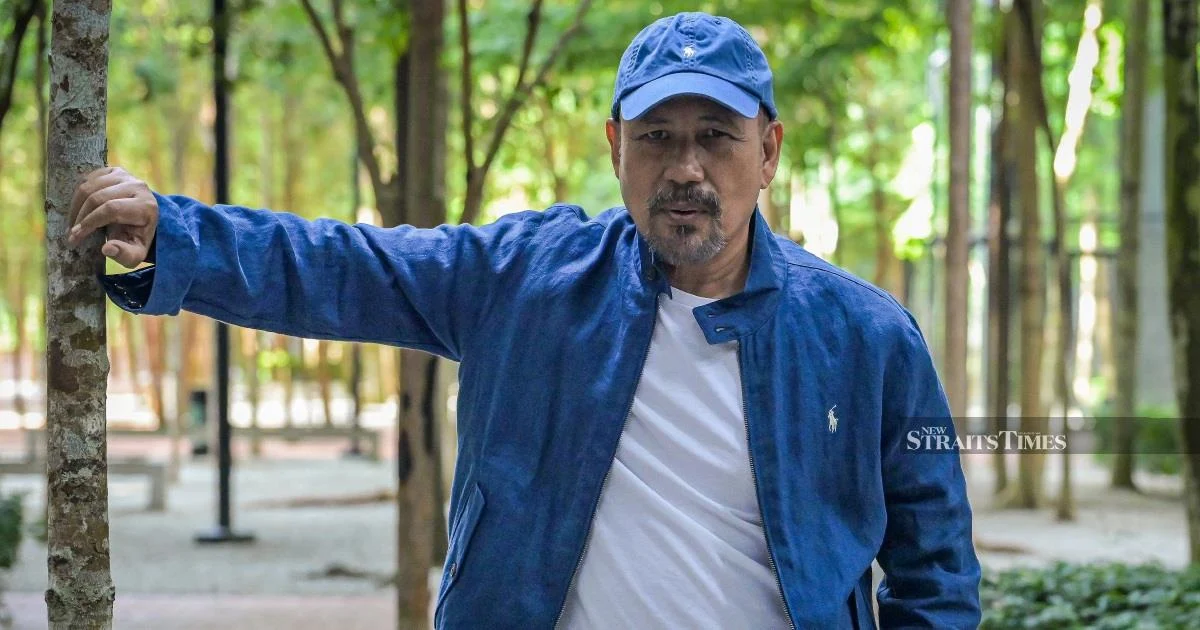
Malaysian music icon Datuk M. Nasir has initiated legal proceedings seeking RM5 million in damages from MyTeksi Sdn Bhd, the Malaysian subsidiary of ride-hailing platform Grab, over what he characterises as an infringement of his personal identity rights. The dispute centres on allegations that the company exploited his name without authorisation in connection with a beverage marketing venture, prompting the celebrated musician to take decisive legal action to protect his reputation and commercial interests.
While maintaining discretion about the specific details of the case, M. Nasir has publicly articulated his principled stance on the matter, emphasising that defending one's personal and professional identity constitutes a fundamental moral entitlement. His measured approach to discussing the litigation reflects both legal prudence and a desire to allow the judicial process to proceed without prejudicial commentary. The reserve he has demonstrated throughout media inquiries suggests a preference for letting the courts determine the merits of his allegations rather than engaging in public dispute through entertainment channels.
The case represents a significant intersection between celebrity rights and commercial enterprise in Southeast Asia's evolving digital economy. As ride-hailing and delivery platforms expand their service portfolios into ancillary business ventures, questions about brand partnerships and celebrity endorsement protocols have become increasingly contentious. MyTeksi's expansion into beverage distribution marks a diversification strategy common among regional tech companies seeking to capture multiple revenue streams from their existing customer bases and delivery networks.
M. Nasir's legal position hinges on principles of personality rights and moral entitlement to control the commercial use of one's name and likeness. Malaysian law recognises such protections, particularly when third parties attempt to profit from an individual's established reputation without consent or compensation. The RM5 million quantum sought in damages suggests the musician's legal team has calculated substantial harm to his professional standing and lost commercial opportunities that might have resulted from unauthorised association with the beverage brand.
The beverage sector in Malaysia has witnessed considerable growth and competition in recent years, with various brands competing aggressively for market share and consumer attention. Celebrity endorsements remain a powerful marketing tool, capable of significantly influencing purchasing decisions among target demographics. Any unauthorised deployment of a well-known personality's name in such campaigns can constitute both breach of rights and unfair competitive advantage, potentially diverting revenue from legitimate endorsement opportunities that the celebrity might otherwise have pursued.
For consumers and industry observers, this dispute underscores broader questions about corporate accountability and ethical marketing practices. The incident raises awareness about how personal identities can be commodified without explicit permission, even in the context of seemingly routine business expansions. M. Nasir's willingness to pursue expensive litigation signals that prominent public figures are increasingly vigilant about protecting their intellectual and personality assets against corporate misappropriation.
Grab Malaysia has not made extensive public statements regarding the allegations, maintaining a cautious posture typical of companies facing legal challenges. The company's focus remains on defending its position while the matter proceeds through the courts. Such litigation often results in settlement negotiations before trial, as both parties weigh the costs and reputational implications of protracted public proceedings.
The case carries implications for entertainment industry practices throughout Southeast Asia, where celebrity partnerships and endorsement arrangements are common but sometimes inadequately formalised. Creative professionals and entertainment personalities will likely view this dispute as a cautionary tale regarding the importance of explicit contractual clarity whenever their names or images might be used commercially. Industry associations and entertainment law practitioners have noted an uptick in similar disputes as digital platforms and delivery services explore diverse revenue models.
M. Nasir's career spanning decades has established him as one of Malaysia's most respected musical talents, with a reputation that extends beyond the domestic market. His contributions to popular music and his cultural significance make his personal brand particularly valuable, thereby justifying robust legal defence of his identity rights. The musician's demonstrated commitment to protecting these interests reflects both personal principle and prudent business practice in safeguarding his professional legacy.
The litigation process will ultimately determine whether MyTeksi acted with sufficient authorisation or consent when utilising M. Nasir's name in beverage marketing. Court findings may establish important precedent regarding corporate responsibilities when engaging in brand partnerships or celebrity-adjacent marketing within Malaysia's commercial framework. Beyond the immediate financial stakes, the case will likely influence how regional companies approach celebrity involvement in their business expansion strategies, potentially leading to more rigorous due diligence and explicit permission protocols.
%22%2F%3E%3C%2Fpattern%3E%3C%2Fdefs%3E%3Crect%20width%3D%22100%25%22%20height%3D%22100%25%22%20fill%3D%22url(%23ph2ioweg)%22%2F%3E%3Crect%20width%3D%22100%25%22%20height%3D%22100%25%22%20fill%3D%22url(%23ph2iowep)%22%2F%3E%3Ctext%20x%3D%2250%25%22%20y%3D%2250%25%22%20text-anchor%3D%22middle%22%20dominant-baseline%3D%22central%22%20fill%3D%22rgba(255%2C255%2C255%2C0.95)%22%20font-family%3D%22Georgia%2C%20'Times%20New%20Roman'%2C%20serif%22%20font-weight%3D%22700%22%20font-size%3D%22226%22%20letter-spacing%3D%22-0.02em%22%3ERussia%3C%2Ftext%3E%3C%2Fsvg%3E)