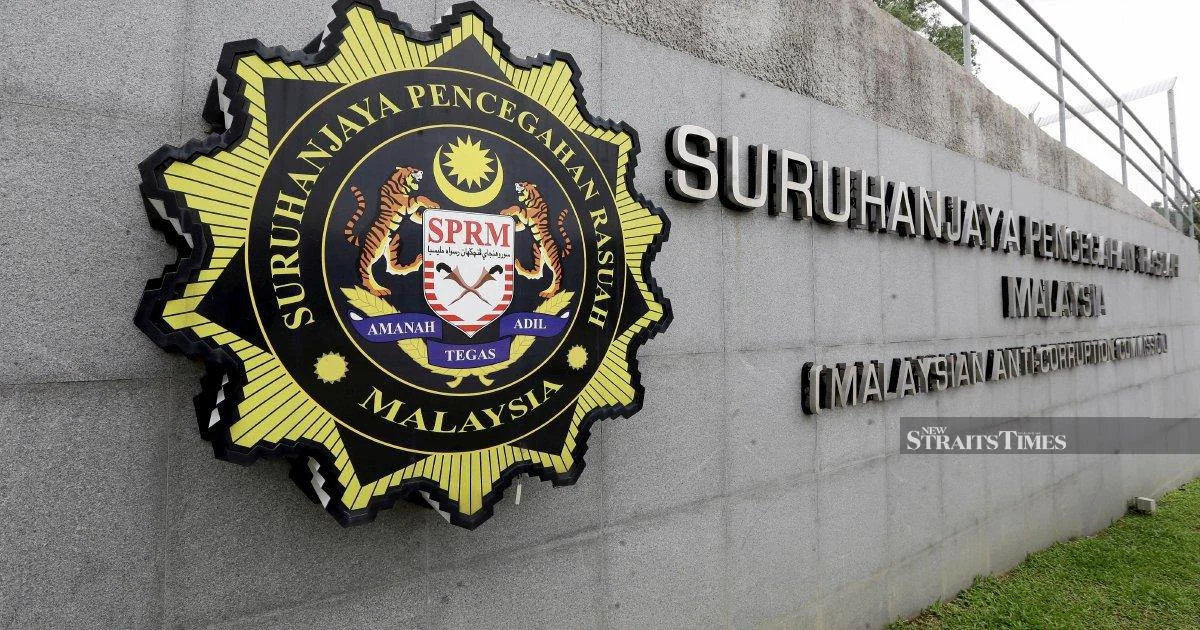
In a substantial victory for law enforcement authorities, Malaysia's Court of Appeal has overturned a High Court judgment that previously held the Malaysian Anti-Corruption Commission, individual MACC officers, and the Malaysian government jointly liable for damages in a malicious prosecution case. The appellate ruling represents a pivotal moment in the ongoing tension between protecting citizens against wrongful prosecution and safeguarding anti-corruption investigators from litigation that could chill enforcement activity.
The original High Court decision had imposed RM900,000 in liability against the defendants, finding that they had pursued criminal charges against a former company director without sufficient legal foundation or reasonable basis. The case centred on whether MACC investigators had acted with proper care and diligence when initiating and advancing the prosecution, or whether their conduct amounted to an abuse of prosecutorial power that warranted compensation. The substantial damages award had signalled judicial concern about the conduct of state agencies in corruption investigations.
The appeal's success hinges on the Court of Appeal's assessment of the legal threshold for establishing malicious prosecution claims against government bodies and public officials. The appellate bench appears to have adopted a more stringent standard for proving malicious abuse of authority, requiring complainants to demonstrate not merely errors in judgment or procedural missteps, but rather a fundamental absence of reasonable cause or deliberate misconduct. This interpretive approach prioritises operational latitude for enforcement agencies over the comparative rights of individuals ensnared in potentially unfounded investigations.
For Malaysia's anti-corruption infrastructure, the ruling carries profound implications. MACC operates within an environment where officers make split-second decisions about whether sufficient evidence exists to warrant investigation and prosecution. The fear of litigation and personal liability could theoretically discourage proactive enforcement, particularly in complex commercial fraud cases where evidence must be pieced together gradually. By providing judicial protection against malicious prosecution claims that impose unrealistic evidentiary burdens on defendants, the Court of Appeal has effectively expanded the operational shield around investigators and prosecutors.
However, the decision also reflects broader questions about accountability within Malaysia's anti-corruption apparatus. Public confidence in MACC depends partly on genuine safeguards against abuse of power and wrongful prosecution. Setting a high bar for malicious prosecution claims means that individuals who suffer genuine harm from reckless or baseless prosecution face substantial obstacles to obtaining redress. The tension between enabling effective enforcement and preventing oppressive use of state power remains unresolved in Malaysian jurisprudence.
The case arrives at a moment when Malaysia's anti-corruption efforts have attracted international scrutiny and domestic political debate. Following years of high-profile convictions and ongoing investigations into historical corruption allegations, questions about institutional credibility persist. Decisions like this one shape public perceptions about whether MACC operates with sufficient restraint and fairness. If citizens believe the courts will not hold enforcement agencies accountable for overreach, confidence in the integrity of the system diminishes regardless of conviction rates.
For Malaysian business practitioners and corporate directors, the ruling carries practical significance. Individuals facing corruption charges mounted by MACC now face a steeper legal mountain when seeking to establish that charges lack foundation and warrant damages. Corporate governance standards and compliance programmes assume heightened importance, given that the malicious prosecution remedy appears less accessible as a final protection against enforcement errors. Directors must instead rely on the adequacy of their trial defences and appellate review mechanisms.
The judgment also reflects comparative trends in other common law jurisdictions. Many Commonwealth nations have restricted civil liability for public officials acting in quasi-judicial capacities, reasoning that the threat of civil suits could impair investigative and prosecutorial decision-making. Yet this approach prioritises systemic efficiency over individual justice, assuming that acquittals at trial and appellate review provide sufficient protection against wrongful prosecution. Whether these alternative safeguards functioned adequately in the underlying case remains a question the appellate decision does not directly address.
Moving forward, the ruling establishes important precedent for how Malaysian courts will evaluate malicious prosecution claims against MACC and related enforcement bodies. Future complainants must mount cases that demonstrate not merely procedural irregularities or evidentiary weaknesses, but rather a showing that MACC acted from improper motives or in the complete absence of any reasonable basis for action. This formulation effectively privileges the institutional interests of the enforcement agency over individual protection from wrongful state action.
The broader institutional question remains whether MACC possesses adequate internal accountability mechanisms to prevent the wrongful prosecution that the malicious prosecution doctrine theoretically addresses. If the courts will not impose civil liability for malicious prosecution, the burden falls more heavily on MACC's internal disciplinary systems, prosecutorial guidelines, and supervisory structures to prevent abuse. The question of how seriously these internal mechanisms function becomes correspondingly more important.

%22%2F%3E%3C%2Fpattern%3E%3C%2Fdefs%3E%3Crect%20width%3D%22100%25%22%20height%3D%22100%25%22%20fill%3D%22url(%23ph2re9gg)%22%2F%3E%3Crect%20width%3D%22100%25%22%20height%3D%22100%25%22%20fill%3D%22url(%23ph2re9gp)%22%2F%3E%3Ctext%20x%3D%2250%25%22%20y%3D%2250%25%22%20text-anchor%3D%22middle%22%20dominant-baseline%3D%22central%22%20fill%3D%22rgba(255%2C255%2C255%2C0.95)%22%20font-family%3D%22Georgia%2C%20'Times%20New%20Roman'%2C%20serif%22%20font-weight%3D%22700%22%20font-size%3D%22194%22%20letter-spacing%3D%22-0.02em%22%3ETeacher%3C%2Ftext%3E%3C%2Fsvg%3E)
%22%2F%3E%3C%2Fpattern%3E%3C%2Fdefs%3E%3Crect%20width%3D%22100%25%22%20height%3D%22100%25%22%20fill%3D%22url(%23phu80ug)%22%2F%3E%3Crect%20width%3D%22100%25%22%20height%3D%22100%25%22%20fill%3D%22url(%23phu80up)%22%2F%3E%3Ctext%20x%3D%2250%25%22%20y%3D%2250%25%22%20text-anchor%3D%22middle%22%20dominant-baseline%3D%22central%22%20fill%3D%22rgba(255%2C255%2C255%2C0.95)%22%20font-family%3D%22Georgia%2C%20'Times%20New%20Roman'%2C%20serif%22%20font-weight%3D%22700%22%20font-size%3D%22136%22%20letter-spacing%3D%22-0.02em%22%3EProsecuti%E2%80%A6%3C%2Ftext%3E%3C%2Fsvg%3E)