%22%2F%3E%3C%2Fpattern%3E%3C%2Fdefs%3E%3Crect%20width%3D%22100%25%22%20height%3D%22100%25%22%20fill%3D%22url(%23ph2cmb3g)%22%2F%3E%3Crect%20width%3D%22100%25%22%20height%3D%22100%25%22%20fill%3D%22url(%23ph2cmb3p)%22%2F%3E%3Ctext%20x%3D%2250%25%22%20y%3D%2250%25%22%20text-anchor%3D%22middle%22%20dominant-baseline%3D%22central%22%20fill%3D%22rgba(255%2C255%2C255%2C0.95)%22%20font-family%3D%22Georgia%2C%20'Times%20New%20Roman'%2C%20serif%22%20font-weight%3D%22700%22%20font-size%3D%22170%22%20letter-spacing%3D%22-0.02em%22%3EMalaysia%3C%2Ftext%3E%3C%2Fsvg%3E)
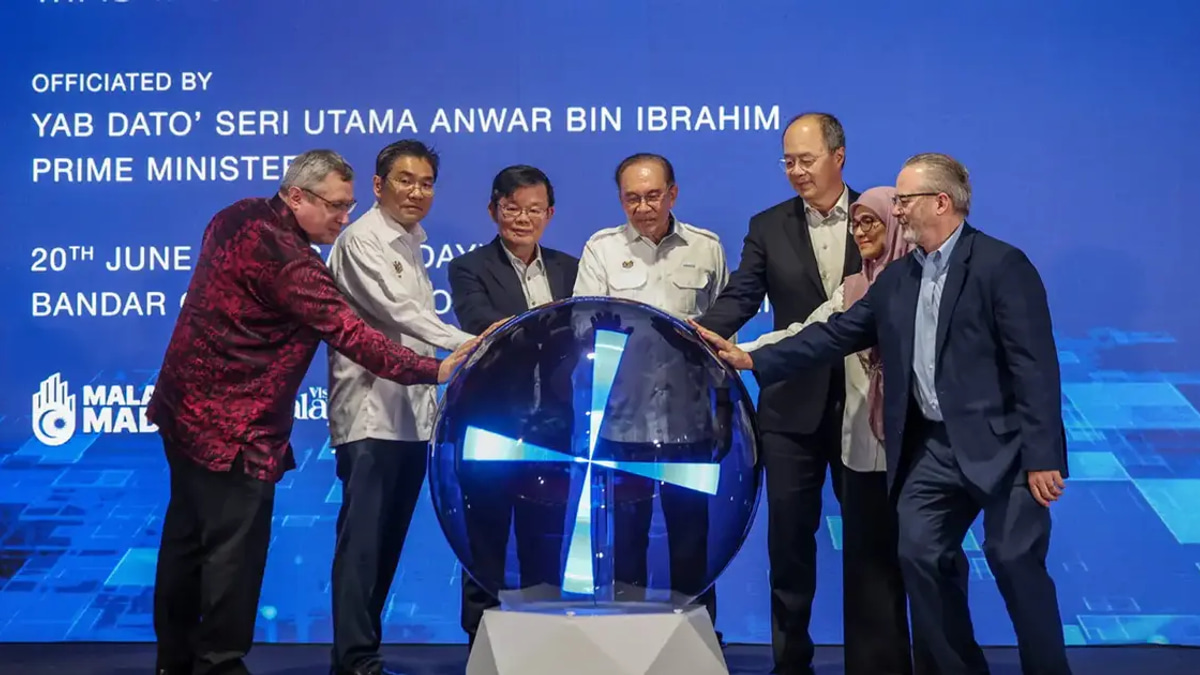
Prime Minister Datuk Seri Anwar Ibrahim has reiterated Malaysia's commitment to maintaining strategic autonomy in its foreign relations, asserting that the nation neither intends nor needs to pledge exclusive loyalty to any major power. Speaking in Seberang Perai on June 20, Anwar articulated a position that reflects decades of Malaysian diplomatic tradition while addressing contemporary geopolitical pressures that have intensified as regional tensions mount.
The Prime Minister's statement comes at a particularly sensitive moment for Southeast Asia, where the rivalry between superpowers and emerging global powers has created a complex web of competing interests. Malaysia, as a nation positioned at the crossroads of crucial sea lanes and trade routes, finds itself at the centre of these dynamics. Anwar's remarks underscore an uncomfortable truth that many regional leaders grapple with: the assumption that smaller nations must eventually choose sides is largely a fiction promoted by those seeking dominance rather than a genuine requirement of international relations.
Anwar's articulation of this policy addresses a recurring theme in Malaysian political discourse and public anxiety. Throughout its independence, Malaysia has cultivated relationships across ideological divides and power blocs, treating engagement as a tool for maximising national interests rather than as an act of allegiance. This approach has allowed the country to benefit from trade relationships with all major economies whilst maintaining room for manoeuvre on critical issues. The Prime Minister's explicit rejection of binary choice reflects understanding that contemporary geopolitics operates in shades of grey rather than stark contrasts.
The strategic value of Malaysia's position cannot be overstated. The country sits on vital shipping lanes through the Strait of Malacca, hosts significant manufacturing and financial sectors, and commands demographic weight within ASEAN. These factors grant Malaysia considerable leverage if it remains unified in purpose and avoids becoming a proxy battleground for external powers. By maintaining strategic flexibility, Malaysia preserves its capacity to negotiate favourable terms with multiple partners rather than accepting subordinate status within any great power's sphere of influence.
Engagement with the United States remains important for Malaysia, encompassing defence cooperation, technology partnerships, and investment flows. Simultaneously, China represents Malaysia's largest trading partner and a crucial source of both direct investment and supply chain integration. India, increasingly relevant to Southeast Asia's strategic calculations, has deepened ties across defence, technology, and people-to-people exchanges. Rather than requiring forced choice, these relationships can coexist within a framework of enlightened self-interest.
ANWAR's position aligns with ASEAN's foundational principle of non-interference and the regional grouping's effort to maintain the Association as a neutral platform. However, maintaining this stance requires constant diplomatic vigilance and clear communication of Malaysia's intentions to all parties. Misunderstandings about which way the country might tilt could prove costly, as other nations might preemptively disadvantage Malaysia through trade restrictions, investment withdrawals, or military posturing. The Prime Minister's public restatement serves notice to all stakeholders that Malaysia expects respect for its autonomy.
The domestic dimension of this foreign policy cannot be ignored. Malaysia's diverse population includes communities with ethnic and cultural connections to countries across Asia and beyond. Maintaining balanced relationships prevents internal fractures that external powers might exploit. By refusing to be painted as exclusively aligned with any single power, the government preserves space for its population to maintain multiple identities and loyalties without this creating national security concerns.
Regional dynamics further complicate Malaysia's calculations. Vietnam, Thailand, and other ASEAN partners face similar pressures and have adopted comparable strategies of balanced engagement. ASEAN's stated commitment to avoiding bloc competition and maintaining the region as a rules-based order depends on member states refusing to be sorted into competing camps. Malaysia's insistence on independence reinforces ASEAN's collective position, making the bloc more resilient to external pressure. A unified ASEAN posture carries weight that no single member state could muster alone.
Economic considerations reinforce the political rationale for strategic autonomy. Global supply chains have become increasingly fragmented, and Malaysia's ability to attract investment from multiple sources depends partly on remaining perceived as a neutral actor rather than a satellite of any particular power. Companies considering regional bases weighing factors including geopolitical risk, and explicit alignment with one power might discourage investors with interests in other regions. This economic logic provides hard-headed justification for maintaining the diplomatic balancing act.
The challenge for Malaysia going forward lies in translating rhetorical commitment to independence into sustained practice. Geopolitical pressures will intensify as competition between powers deepens. Temptations to extract concessions by hinting at possible alignment with particular powers will emerge regularly. Maintaining steady course requires political leadership capable of resisting short-term gains that might compromise long-term autonomy. Anwar's articulation of this position signals intent, but implementation across multiple administrations and decades will ultimately determine whether Malaysia successfully preserves its strategic space.
For Malaysia's citizens and businesses, the implications are significant. A nation that maintains diplomatic flexibility can negotiate better terms on trade, investment, and technology transfer. Strategic autonomy also means that Malaysian voices carry disproportionate weight when contributing to regional conversations about rules and norms. By refusing to choose, Malaysia preserves the option to lead rather than follow, to shape events rather than merely react to them. This aspiration, though challenging to realise consistently, remains worth pursuing.