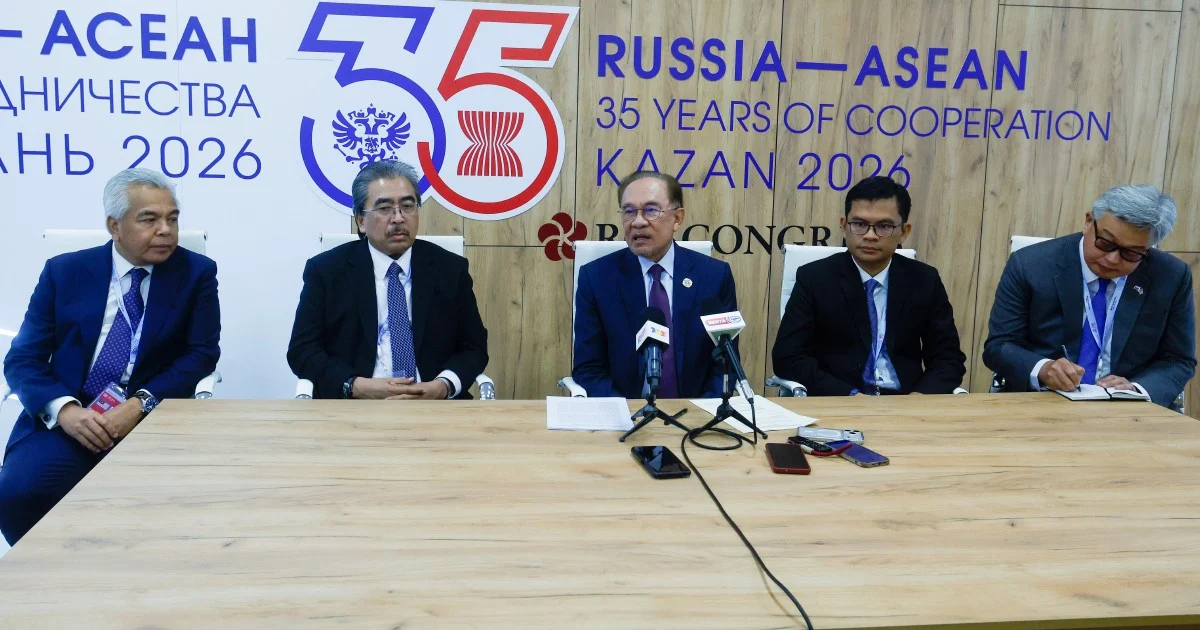
Prime Minister Datuk Seri Anwar Ibrahim has ordered the rapid implementation of visa-free travel arrangements for Russian tourists visiting Malaysia, positioning the initiative as a strategic response to the nation's tourism recovery objectives. The directive, announced while the premier was in Kazan, underscores the government's determination to broaden the country's international visitor base and reinvigorate the travel and hospitality sectors following years of pandemic-related disruptions.
The acceleration of visa-free entry for Russian nationals represents a deliberate pivot in Malaysia's tourism strategy, opening access to a large and historically significant source of international visitors. Russia has long maintained a substantial tourism market to Southeast Asia, with many travellers favouring the region's combination of natural attractions, cultural heritage, and competitive pricing. By removing visa requirements for Russian citizens, Malaysia aims to capture a meaningful share of this demand while strengthening diplomatic and economic connections with a major Eurasian power.
The timing of this announcement carries particular significance given the current geopolitical landscape and the urgent need for emerging economies to diversify revenue streams. Tourism contributes substantially to Malaysia's gross domestic product and employment, making visitor recovery a critical policy priority. The government's emphasis on expediting implementation signals recognition that bureaucratic delays could cost the nation valuable tourism revenue during a competitive recovery period when neighbouring destinations are pursuing similar initiatives.
Implementing visa-free arrangements requires coordination across multiple government agencies, including the Immigration Department, the Ministry of Tourism, and the Foreign Ministry. This coordination must ensure that while entry requirements are simplified, security screening and immigration protocols remain robust. The expedited timeline suggests that officials have already conducted preliminary assessments and identified processes that can be streamlined without compromising border integrity or national security standards.
Russian tourists have traditionally favoured Malaysian destinations including Kuala Lumpur, the Petronas Twin Towers, island resorts in Sabah and Sarawak, and natural attractions like the Taman Negara rainforest. Removing visa barriers is likely to increase visitor duration and spending patterns, as potential travellers no longer face the cost, complexity, and uncertainty associated with visa applications. Economic analysis of comparable visa-free arrangements in other Southeast Asian nations suggests that visitor arrivals can increase substantially within the first twelve to eighteen months of implementation.
The directive also reflects Malaysia's broader positioning within regional tourism competition. Thailand, Indonesia, and Vietnam have all implemented or expanded visa-free or visa-on-arrival schemes targeting various nationalities, creating pressure for Malaysian policymakers to remain competitive. By acting decisively to facilitate Russian arrivals, the government signals that Malaysia is serious about recapturing market share in a region where tourism dollars are fiercely contested among destination countries.
From a diplomatic standpoint, the initiative carries additional weight beyond tourism economics. Strengthening people-to-people connections through simplified travel arrangements typically enhances bilateral relationships and creates foundations for broader cooperation in trade, investment, and cultural exchange. Tourism serves as a soft power tool, allowing visitors to develop personal familiarity with Malaysia and potentially translating into sustained goodwill and commercial relationships.
The announcement raises important questions about which other nationalities might receive similar treatment in coming months. Malaysia's visa policy has historically reflected its international relationships and tourism priorities. Policymakers must balance opening access to drive visitor numbers against maintaining a coherent framework that reflects diplomatic strategy and economic objectives. The Russian initiative could establish a precedent for evaluating other significant source markets, particularly within Asia-Pacific, where visa facilitation could unlock untapped tourism potential.
Implementation success will require effective communication with the Russian travel industry, including tour operators, travel agencies, and airlines. These intermediaries influence travel decisions and must understand the new arrangements to actively promote Malaysia as a destination. Government tourism promotion agencies will likely need to coordinate marketing campaigns highlighting the simplified entry process alongside existing attractions and value propositions that appeal to Russian travellers, from luxury resorts to outdoor adventures.
The government must also prepare hospitality and tourism infrastructure to accommodate potential increases in Russian visitor arrivals. This includes ensuring adequate translation services at airports and major tourist facilities, training hospitality staff on Russian cultural expectations, and developing targeted promotional materials in Russian language platforms. The visa-free policy's effectiveness ultimately depends on delivering a seamless experience from arrival through departure, enabling visitors to recommend Malaysia to friends and family within their networks.
Monitoring and evaluation mechanisms will be essential to assess the policy's impact on visitor numbers, spending patterns, and satisfaction levels. Data collection systems should track Russian arrivals separately to understand market response and inform decisions about whether further initiatives targeting this or other nationalities are warranted. This evidence-based approach allows the government to adjust tourism policies dynamically based on actual outcomes rather than assumptions.
The expedited timeline for implementation reflects the government's commitment to moving quickly on initiatives that generate economic benefit and international engagement. As Malaysia continues recovering from pandemic-related disruptions, such proactive steps to unlock new tourism revenue streams contribute to broader economic revival objectives. The Russian visa-free arrangement stands as one component of a larger strategy to reposition Malaysia as a preferred Southeast Asian destination in an increasingly competitive global tourism marketplace.