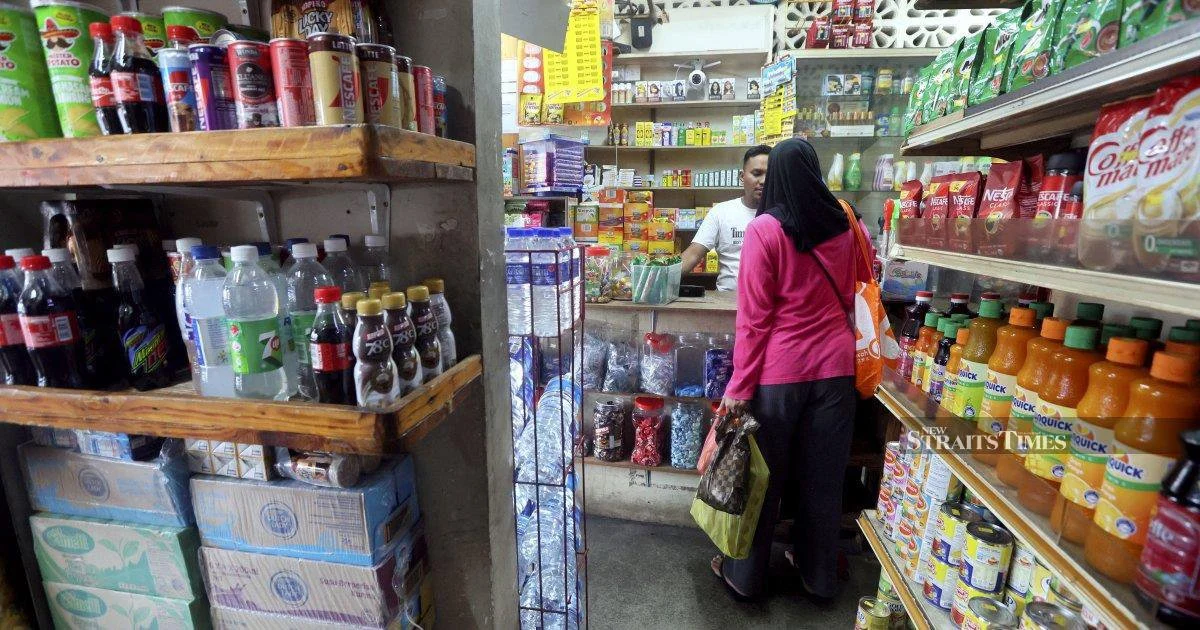
Malaysia's inflation momentum is tracking steadily for the immediate future, presenting a relatively benign picture for monetary policymakers and consumers alike. Yet beneath this surface stability lies a more complex reality: the country's exposure to international commodity markets and foreign exchange dynamics creates fundamental structural weaknesses that could rapidly destabilize prices should global conditions shift unexpectedly.
The near-term inflation environment reflects a careful balancing act. Current price pressures from imported goods remain moderate, suggesting that the ringgit's recent stabilization and moderating global energy prices have provided temporary relief from the inflationary pressures that plagued the economy in 2021 and 2022. Analysts monitoring Malaysia's consumer price index have noted that headline inflation readings show a welcome deceleration compared to the double-digit annual increases seen during the regional commodity boom. This steadiness has allowed Bank Negara Malaysia to maintain its current monetary policy stance without immediate pressure for aggressive rate adjustments.
However, this apparent tranquility masks a troubling structural vulnerability that policymakers must continually monitor. Malaysia's economy remains deeply integrated into global supply chains and depends substantially on imported raw materials, refined petroleum products, and manufactured components. When international crude oil prices spike, as they have during geopolitical crises or supply disruptions, Malaysian consumers and businesses face rapid pass-through effects at the pump and in transportation costs. Similarly, agricultural commodity imports—ranging from grains to palm oil supplies—are priced in foreign currencies, meaning any depreciation of the ringgit automatically inflates the local-currency cost of these essentials.
The ringgit's behavior in foreign exchange markets represents perhaps the most significant wildcard in Malaysia's inflation equation. Unlike larger, more developed economies with deeper capital markets and greater investor confidence, the Malaysian currency remains susceptible to regional and global financial headwinds. During periods of capital flight or broader emerging-market selloffs, the ringgit weakens sharply, immediately raising import prices across the board. A sudden 10 percent currency depreciation, while modest by historical standards, effectively adds several percentage points to the inflation rate through mechanical pass-through effects alone.
Commodity price exposure creates an additional layer of complexity. While Malaysia itself is a significant energy and palm oil producer, the global pricing dynamics for these products remain largely beyond national control. International benchmark prices, whether Brent crude or Kuala Lumpur Composite Index palm futures, reflect global supply-demand balances, geopolitical tensions, and financial market speculation. Malaysian producers and consumers both face volatile input costs that ripple through supply chains—from petrochemicals manufacturers to food processors to transportation operators.
The interaction between these external vulnerabilities creates multiplicative risk. A scenario combining geopolitical tensions that raise oil prices, coupled with a broader emerging-market currency crisis that weakens the ringgit, would rapidly overwhelm Malaysia's currently comfortable inflation picture. Such shocks are not hypothetical; the 2022 energy crisis and the ongoing Middle East tensions demonstrate how quickly external events can disrupt price stability. During these episodes, Malaysia's inflation tends to accelerate faster than many developed nations, precisely because the adjustment happens through currency channels as well as direct commodity cost transmission.
Bank Negara Malaysia's policy response options are constrained by these structural realities. Hiking interest rates aggressively to combat imported inflation can actually worsen currency weakness by reducing returns for foreign investors in ringgit assets, creating a policy paradox. Conversely, maintaining accommodative monetary conditions to support growth leaves inflation fighters with fewer tools when imported price pressures intensify. This policy bind reflects Malaysia's status as an open, commodity-exposed economy without the luxury of fully insulating itself from global shocks.
The Malaysian government has explored various mitigation strategies, including subsidy programs for essential goods and strategic petroleum reserves management, yet these remain temporary patches rather than structural solutions. Building deeper domestic production capacity for key import categories would reduce vulnerability, but capital requirements and competitive disadvantages limit realistic prospects for rapid import substitution in energy, grains, and advanced manufacturing components.
Looking forward, Malaysia's inflation trajectory will ultimately depend more on external forces than domestic policy adjustments. So long as global oil markets remain stable, trade tensions do not escalate, and the ringgit maintains relative steadiness against major currencies, the current benign inflation environment should persist. However, the fragility of these conditions warrants heightened vigilance. Businesses and households relying on Malaysian inflation remaining subdued should recognize the structural precarity beneath the calm surface.
For investors and policymakers alike, Malaysia's inflation story exemplifies the challenges facing commodity-dependent, emerging-market economies in an increasingly volatile global environment. The near-term outlook may be stable, but the medium-term exposure to shocks remains substantial and largely uncontrollable through domestic policy alone. This reality shapes everything from central bank decision-making to business planning horizons across the Malaysian economy.

%22%2F%3E%3C%2Fpattern%3E%3C%2Fdefs%3E%3Crect%20width%3D%22100%25%22%20height%3D%22100%25%22%20fill%3D%22url(%23ph6m3xg)%22%2F%3E%3Crect%20width%3D%22100%25%22%20height%3D%22100%25%22%20fill%3D%22url(%23ph6m3xp)%22%2F%3E%3Ctext%20x%3D%2250%25%22%20y%3D%2250%25%22%20text-anchor%3D%22middle%22%20dominant-baseline%3D%22central%22%20fill%3D%22rgba(255%2C255%2C255%2C0.95)%22%20font-family%3D%22Georgia%2C%20'Times%20New%20Roman'%2C%20serif%22%20font-weight%3D%22700%22%20font-size%3D%22320%22%20letter-spacing%3D%22-0.02em%22%3E32%3C%2Ftext%3E%3C%2Fsvg%3E)