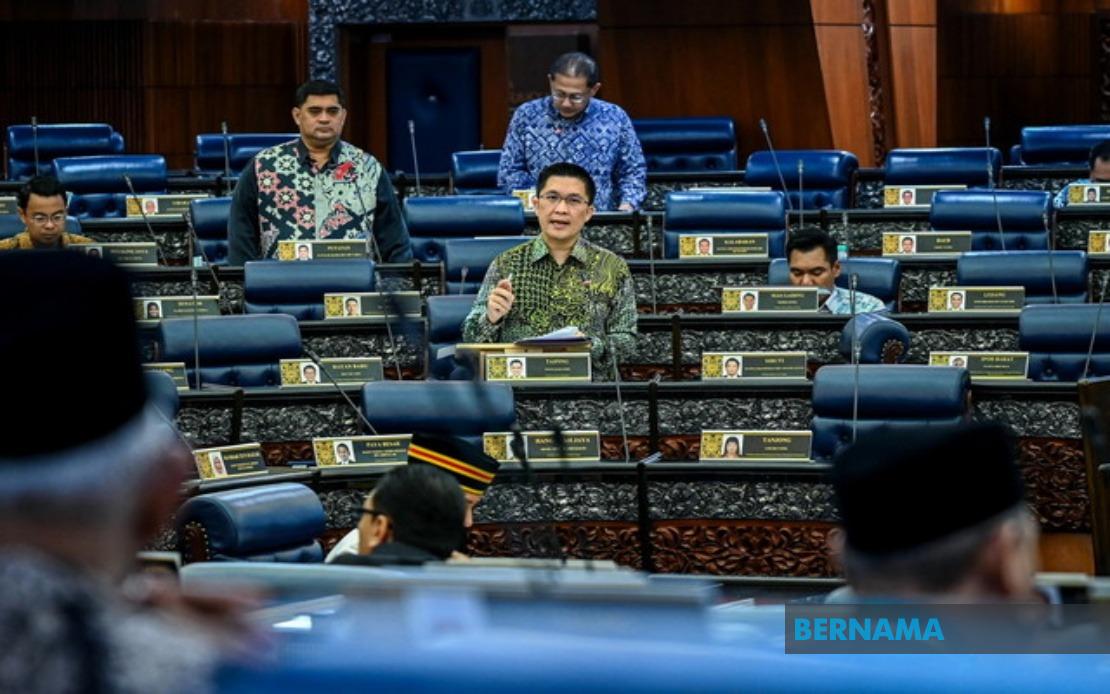
Malaysia's Education Ministry has achieved near-complete staffing of its preschool teaching force, with Deputy Minister Wong Kah Woh confirming that 99.8 per cent of positions have been filled as of July 1. This accomplishment reflects a concerted effort to strengthen early childhood education infrastructure across the country, with 10,478 teachers now stationed in preschools serving the nation's youngest learners. The high fill rate signals the ministry's commitment to providing consistent, qualified instruction at a foundational stage when children's cognitive and social development is most receptive to structured learning.
The momentum behind this staffing achievement stems from aggressive recruitment and deployment over the past three years. Between 2023 and 2025, the Education Ministry brought on board 1,202 new preschool educators, systematically expanding the workforce to match rising enrolment demands across different regions. This phased approach allows the ministry to tailor hiring to specific geographic needs rather than implementing blanket nationwide recruitment that might prove inefficient. Wong emphasised that recruitment would continue incrementally, responsive to projected population growth and demographic shifts in various localities, ensuring that teacher supply aligns with actual demand patterns.
The current infrastructure supporting this expanded workforce is substantial. As of May 31, the ministry operated 10,491 preschool classes nationwide, collectively serving 217,026 pupils. These figures underscore the scale of Malaysia's commitment to early childhood education within the public system. The nationwide presence of these programmes represents significant investment in facilities, curriculum development, and administrative support structures necessary to maintain operational consistency across urban and rural settings. For many Malaysian families, particularly those in less urbanised areas, government preschools provide the primary or only accessible option for formal early learning.
Quality assurance has emerged as a parallel priority to capacity expansion. Rather than simply maximising teacher numbers, the Education Ministry has simultaneously strengthened its training ecosystem, encompassing pre-service education for newly recruited teachers and in-service programmes for existing staff. These professional development initiatives ensure that educators remain aligned with contemporary early childhood education standards and pedagogical best practices. By embedding quality measures directly into the recruitment and retention cycle, the ministry seeks to guarantee that classroom environments meet consistent learning standards regardless of geographic location or institutional resources.
The strategic expansion roadmap extends well beyond the current year. The ministry has committed to opening approximately 300 new preschool classes in the following year, a significant addition that reflects confidence in sustained demand for early childhood services. More ambitiously, Wong outlined plans to establish and activate 1,040 new classes cumulatively over the next five years, a trajectory that would substantially increase access to government-provided preschool education. This long-term commitment signals ministerial determination to democratise early learning opportunities, recognising that quality preschool experiences correlate strongly with later academic achievement and social development.
Location selection for new classes follows a rigorous analytical framework rather than arbitrary decisions. The Education Ministry assesses multiple critical variables including the population of eligible children within specific age cohorts, demonstrated local demand from families, and broader infrastructure considerations. This evidence-based approach maximises the likelihood that new classes will achieve healthy enrolment and serve genuine community needs. By conducting comprehensive demographic and demand analysis beforehand, the ministry avoids the inefficiency of opening facilities in areas lacking sufficient student population to sustain operations.
For the youngest citizens who have not yet accessed preschool education, the ministry has articulated a clear commitment to continued expansion. Wong acknowledged the challenge of reaching six-year-old children who missed earlier enrolment windows, indicating that the expansion programme would specifically target these overlooked populations. Partnering with State Education Departments, the Community Development Department (KEMAS), and other relevant agencies, the ministry aims to create multiple pathways for disadvantaged or geographically isolated children to gain preschool experience. This inter-agency collaboration recognises that early childhood education requires coordination across institutional boundaries to achieve comprehensive coverage.
The significance of this staffing achievement and expansion plan extends beyond statistics. Southeast Asia has increasingly recognised early childhood education as a critical foundation for human capital development and long-term economic competitiveness. Malaysia's sustained investment in preschool infrastructure positions the country to realise measurable benefits in later educational outcomes, workforce readiness, and cognitive development metrics. Countries that prioritise early learning consistently demonstrate improved school readiness, higher graduation rates, and stronger labour market outcomes for cohorts who experienced quality preschool programmes.
For Malaysian families, particularly lower and middle-income households, the expansion of government preschool capacity addresses a genuine access challenge. Private preschool institutions in Malaysia, while often high-quality, remain beyond the financial reach of many working families. By substantially growing the publicly funded preschool system, the Education Ministry democratises access to professional early childhood education, reducing inequality in educational opportunity at its earliest stage. This approach aligns with national development priorities emphasising inclusive growth and equitable access to foundational services.
The phased implementation strategy also reflects administrative prudence. Rather than attempting massive simultaneous expansion that might overwhelm training systems and institutional capacity, the ministry spreads the rollout across multiple years, allowing time for quality control, teacher preparation, and infrastructure development. This measured pace enables the Education Ministry to maintain teaching standards and operational excellence even as the system grows substantially. Regional variations in implementation speed can accommodate local readiness factors and resource availability.

