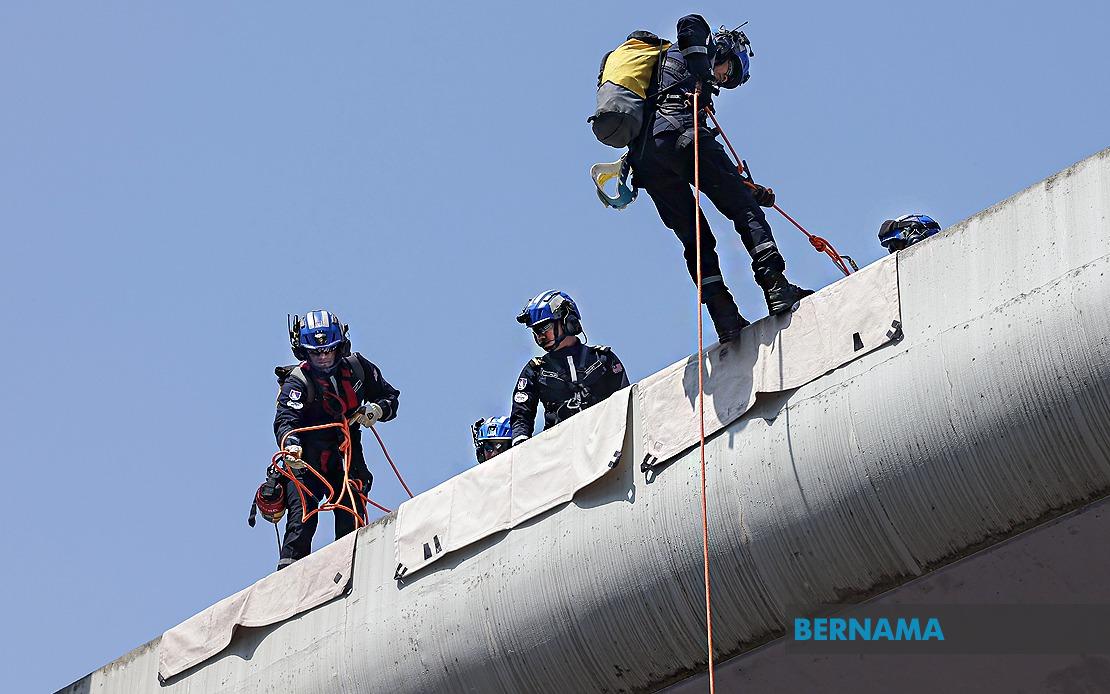
Malaysia has positioned its premier search and rescue capability on high alert for potential deployment to Nepal, where devastating floods have claimed lives and displaced thousands. The National Disaster Management Agency (NADMA) confirmed on August 30 that the Malaysian Special Search and Rescue Team (SMART) remains ready for immediate mobilization, though the initiative awaits formal authorization from Nepal's government to proceed with cross-border operations. This preparedness underscores Malaysia's established role as a trusted humanitarian partner in South Asia, capable of rapid response to major natural disasters affecting the region.
The standby status reflects careful diplomatic coordination between Kuala Lumpur and Kathmandu. NADMA emphasized that while SMART possesses the technical capacity and personnel to execute complex rescue missions, deployment depends entirely on Nepal's receptiveness to international assistance. Malaysia's Foreign Ministry has been instrumental in facilitating behind-the-scenes discussions with Nepali counterparts, navigating the complex protocols that govern cross-border emergency response. This multilateral approach ensures that when authorization arrives, Malaysia can mobilize without delay, avoiding the coordination delays that often impede timely relief efforts in disaster zones.
The commitment extends beyond immediate search operations. Prime Minister Anwar Ibrahim announced that SMART's mandate encompasses locating and repatriating affected Malaysian citizens stranded by the floods, a priority reflecting the government's responsibility to its diaspora. The team would simultaneously strengthen coordination through the Malaysian Embassy in Nepal, serving as a liaison to consolidate rescue efforts and monitor the safety of Malaysians throughout the affected region. This dual responsibility—performing technical rescue while simultaneously protecting national interests—illustrates the complexity of modern disaster response in an interconnected region.
Financially, Malaysia's pledge of US$1 million represents a meaningful contribution to Nepal's recovery trajectory. This monetary assistance complements the hands-on rescue capacity SMART would provide, addressing both the immediate crisis phase and the longer reconstruction period. For Nepal, a nation frequently ravaged by monsoons and earthquakes, foreign aid partnerships prove critical to managing disaster cycles that overwhelm domestic resources. Malaysia's financial commitment signals sustained engagement beyond the initial emergency window, recognizing that post-disaster recovery often extends months or years beyond the initial impact.
SMART's operational readiness during a national emergency reveals the deliberate preparation embedded within Malaysia's disaster management infrastructure. Senior Fire Superintendent I Abdul Manaf Che Isa acknowledged that despite the team's participation in Malaysia's 69th National Day parade celebrations on August 31, personnel maintained acute readiness for potential deployment. This simultaneous commitment to domestic commemoration and international emergency response demonstrates how modern security and rescue organizations balance routine national duties with crisis preparedness. The team's psychological readiness—remaining focused and mobilized despite competing ceremonial obligations—reflects professional discipline cultivated through rigorous training regimes.
Nepal's flooding situation presents distinctive challenges for international rescue teams. The nation's mountainous terrain, monsoon-triggered watercourses, and concentrated population centers create complex rescue scenarios requiring specialized skills. Malaysian SMART units have developed substantial expertise through previous deployments to disaster zones across South Asia and Southeast Asia, making them valuable assets for Nepali authorities. The team's familiarity with operating in challenging geographic conditions, combined with their interoperability protocols developed through regional coordination mechanisms, positions them as capable partners for integrating into Nepali-led rescue operations.
The disaster underscores Southeast Asia's vulnerability to climate-driven natural hazards and the necessity for robust regional cooperation frameworks. Malaysian policymakers recognize that effective humanitarian response transcends national boundaries, and that investing in rescue capacity benefits not only Malaysia but the broader Indo-Pacific region. NADMA's coordinated approach with the Foreign Ministry demonstrates how institutional arrangements facilitate rapid mobilization when disasters strike neighboring territories. This preparedness architecture, refined through experience from previous regional crises, enables Malaysia to transition quickly from standby status to active deployment once diplomatic permissions materialize.
The timing of Malaysia's offer reflects broader geopolitical awareness within Southeast Asian capitals. As major powers increasingly compete for influence through development assistance and disaster relief, countries like Malaysia position themselves as reliable, effective partners capable of delivering tangible humanitarian benefit. Unlike large-scale development projects that span years, disaster response operations offer immediate, visible demonstrations of capability and commitment. Nepal's reception of Malaysian assistance—should authorization proceed—reinforces bilateral relationships and Malaysia's standing as a responsible regional actor.
Looking forward, this deployment scenario, whether ultimately activated or remaining on standby, serves important preparedness functions. It ensures SMART maintains operational readiness for rapid mobilization, permits interagency coordination mechanisms to remain activated and current, and demonstrates to Nepali authorities that Malaysian capacity stands available. The standby posture itself provides value by reassuring the international community that organized, trained resources exist ready for rapid deployment. Whether Nepal ultimately embraces the offer depends on factors including the scale of ongoing rescue requirements, availability of other international assistance, and domestic political considerations within Nepal regarding foreign presence during national emergencies. Malaysia's role has solidified itself as patient, capable, and available—hallmarks of an effective humanitarian partner.

