A mother and daughter from Muar lost their lives in a tragic road accident on Wednesday morning when their vehicle crossed into the opposite lane and struck an oncoming lorry. The collision occurred at 10.30 am on Jalan Temenggung Ahmad near Parit Unas, claiming the lives of an 83-year-old passenger and her 58-year-old daughter, who was driving the vehicle. The incident serves as a stark reminder of the dangers on Malaysian roads and the importance of vehicle control and driver attentiveness, particularly on rural highways where traffic patterns can change unexpectedly.
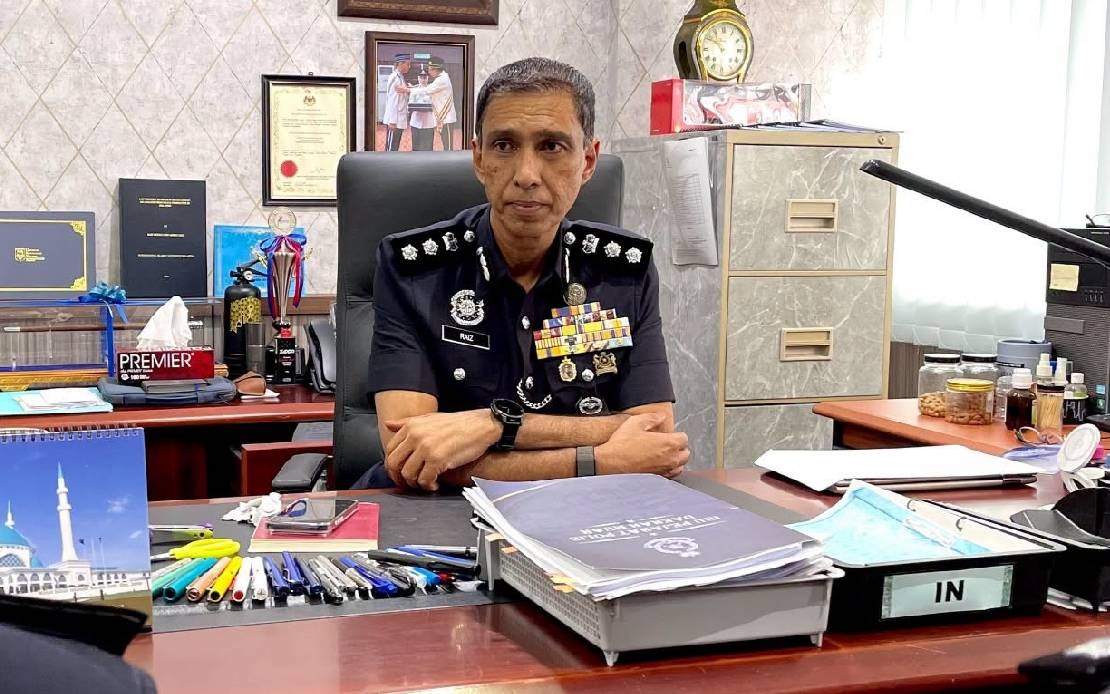
According to Muar District Police Chief ACP Raiz Mukhliz Azman Aziz, preliminary examination of the accident scene indicated that the Perodua Myvi sedan, operated by the younger woman, suddenly lost control and drifted across the centre line into the path of an approaching heavy vehicle. The lorry driver, travelling in the opposite direction from Muar town towards Parit Jawa, had no time to avoid the collision. The severity of the impact left the Myvi driver incapacitated at the accident site, where she was pronounced dead shortly after emergency services arrived.
The elderly passenger, despite initial survival following the impact, succumbed to her injuries while undergoing emergency treatment at Sultanah Fatimah Specialist Hospital in Muar. The loss of two family members in a single tragedy reflects the devastating human cost of road accidents that extend far beyond the immediate victims to affect grieving families and entire communities. Such incidents highlight how quickly circumstances can change on Malaysian roads, transforming an ordinary morning journey into a catastrophic event.
The lorry operator, a 35-year-old man, sustained moderate injuries to his hands and legs from the collision and is currently receiving medical care at the same specialist hospital. While his injuries are not reported as life-threatening, the psychological and physical trauma of being involved in a fatal accident will likely have lasting effects. The incident also underscores the hazards faced by professional drivers who share roads with other motorists, as even experienced heavy vehicle operators cannot always prevent accidents caused by other road users' errors.
Police have initiated a formal investigation into the incident under Section 41(1) of the Road Transport Act 1987, which typically addresses traffic offences and accidents resulting in death or injury. This legal framework allows authorities to examine all relevant factors contributing to the collision, including vehicle condition, driver fitness, road conditions, and weather circumstances at the time. The investigation process is essential not only for establishing facts in this particular case but also for identifying any systemic issues that may need addressing to prevent similar tragedies on Johor roads.
The precise cause of the Myvi's loss of control remains under investigation, though authorities are examining multiple possibilities. These may include mechanical failure of the vehicle's braking or steering systems, sudden medical incapacity affecting the driver, weather-related hazards such as wet road conditions, or momentary driver inattention. Jalan Temenggung Ahmad, like many secondary roads connecting towns in the region, experiences varying traffic volumes and may present challenges for drivers unfamiliar with its layout or driving conditions during different times of day.
Authorities have appealed to members of the public who witnessed the accident or may possess relevant information to come forward and assist with the ongoing investigation. Eyewitness accounts often prove invaluable in establishing the sequence of events leading to road accidents, particularly when determining visibility conditions, vehicle speeds, and driver behaviour immediately preceding the collision. Community cooperation in such cases strengthens the investigative process and can help prevent future incidents by identifying persistent hazards or dangerous driving patterns.
This fatality adds to the growing toll of road accidents in Malaysia, a country where traffic safety remains a significant public health concern. The statistics consistently show that accidents involving head-on collisions tend to result in the most severe outcomes, as vehicles travelling in opposite directions meet with combined force that modern safety features cannot always mitigate. The Johor region, with its network of connecting highways and rural routes, experiences regular traffic incidents that claim lives and cause injuries among both local residents and travellers.
For families and communities affected by such tragedies, the emotional and practical consequences are profound and long-lasting. The sudden loss of two family members in a single event disrupts entire household structures and leaves extended families grappling with grief and questions about how such losses might have been prevented. Beyond the personal devastation, these accidents also impact workplace productivity, local economies, and social cohesion as communities mourn their members.
The incident reinforces the critical importance of defensive driving practices, particularly on roads where traffic flows in both directions without physical barriers. Drivers should maintain appropriate speeds, remain alert to changing road conditions, avoid distractions, and ensure their vehicles are well-maintained and roadworthy. Regular vehicle inspections, including brake and steering system checks, can prevent mechanical failures that lead to loss of control situations. Additionally, drivers should be aware of their own physical condition and avoid operating vehicles when fatigued or unwell.

