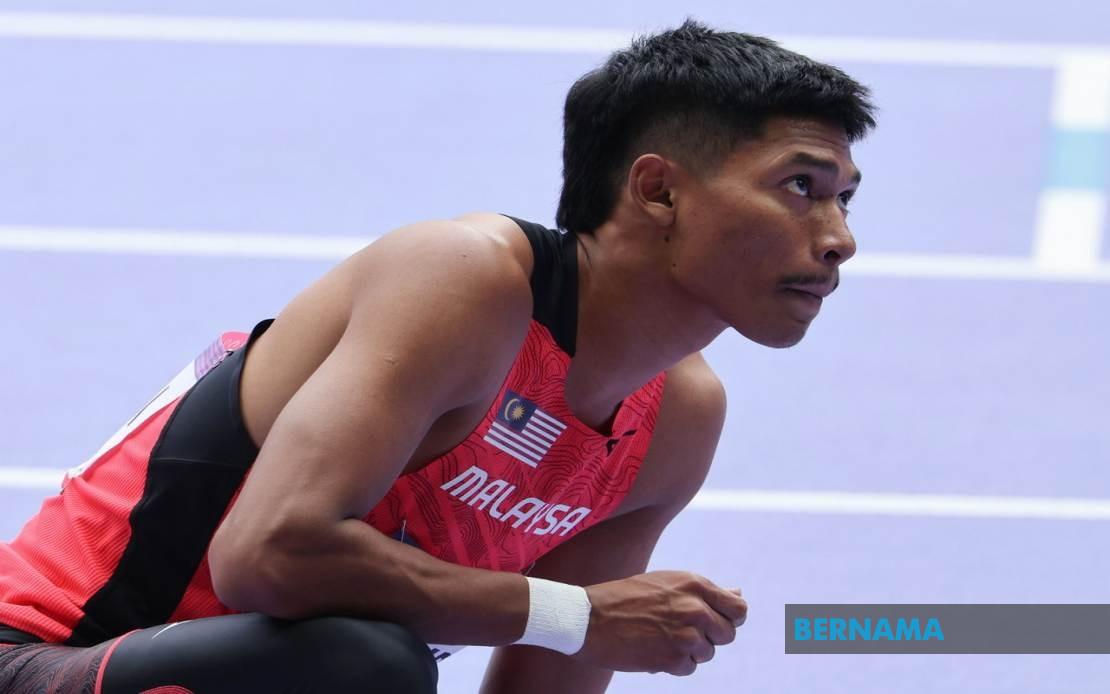
Muhammad Azeem Mohd Fahmi, Malaysia's national 100-metre record holder, has committed to continuing his athletic career within the country after wrapping up his academic programme at Auburn University in the United States. The 22-year-old sprinter, who holds the national mark of 10.09 seconds, chose to forego immediate opportunities abroad in favour of rebuilding family connections after spending four years studying overseas.
Azeem's decision to remain domestically reflects a broader shift in priorities. Having spent the formative years of his competitive career and university education away from his support network, he expressed a strong desire to dedicate quality time to reconnecting with loved ones. His comments to journalists underscore a deliberate choice to ground himself locally rather than pursue further international exposure, at least in the near term. This preference suggests that despite the potential advantages of training in advanced facilities abroad, personal considerations have taken precedence in his career planning.
The sprinter was emphatic about the contributions of those around him, crediting his family, parents, siblings, coaching staff, and friends as instrumental in his development as an athlete. This acknowledgement highlights the significant role of domestic support systems in nurturing Malaysian sporting talent, even when international training opportunities are available. For a young athlete operating at the national record level, such grounding in local relationships can provide psychological stability and motivation that extends beyond the track.
Azeem's training arrangement moving forward reflects a pragmatic hybrid model designed to maintain the quality of coaching he received internationally while establishing continuity at home. His American coach Ken Harnden will continue designing training programmes from the United States, while Muhammad Amir Izwan Tan Abdullah, a Malaysian coach, will oversee day-to-day supervision and implementation. This structure allows Azeem to retain the expertise he developed during his stint at Auburn while benefiting from local coaching presence and cultural familiarity.
The decision to split coaching responsibilities between overseas and domestic experts is becoming increasingly common among Southeast Asian athletes seeking to balance international best practices with local accessibility. For Malaysia's sprinting programme, having a national record holder anchored in the local system could provide valuable mentoring opportunities for younger athletes and strengthen the competitive depth of the national team. Azeem's presence in Malaysia also ensures his expertise and experience at Auburn can be transferred back to domestic athletics development.
Beyond his immediate athletic commitments, Azeem has signalled intentions to pursue postgraduate education, though he is consciously deferring this goal. His stated preference is to take several months to concentrate exclusively on athletics, maximising his physical peak while adjusting to his new training environment. This sequencing suggests mature thinking about career progression, recognising that high-level athletic performance requires sustained, undivided focus during specific windows of competitive opportunity.
The timing of his return to Malaysia coincides with important development phases for Southeast Asian athletics. With regional competitions regularly scheduled and increasing investment in sports infrastructure across the region, having quality sprinters based domestically strengthens Malaysia's competitive standing. Azeem's return could elevate expectations within national athletics programmes and potentially inspire younger talents to commit seriously to the sport despite the attractions of overseas training.
From a Malaysian sporting perspective, retaining homegrown talent at the elite level remains a perennial challenge. Brain drain, where accomplished athletes relocate permanently for better training facilities or professional opportunities, represents a significant concern for national sports bodies. Azeem's conscious choice to remain suggests that improvements in domestic coaching capacity and competitive opportunities are making Malaysia increasingly viable as a training base for record-holding athletes. His commitment also validates investments by Malaysian athletics federations in developing local coaching expertise.
The sprinter's phased approach to furthering his education while prioritising athletics demonstrates strategic career management. Many young athletes face pressure to accelerate educational credentials simultaneously with competitive demands, often to their detriment in both domains. Azeem's willingness to delay his master's degree indicates confidence that his current athletic trajectory merits concentrated investment, and that educational opportunities will remain available once his competitive intensity naturally evolves. This pragmatism reflects maturity beyond his years.
Looking forward, Azeem's remaining in Malaysia positions him as a potential anchor for the national 100-metre programme. His presence could attract investment in sprint-specific facilities and coaching infrastructure, create benchmark standards for younger sprinters, and potentially generate media interest that elevates the profile of track and field within Malaysian sports culture. The success of his training programme under the hybrid international-domestic coaching model could also establish a template for other Malaysian athletes considering similar arrangements.
%22%2F%3E%3C%2Fpattern%3E%3C%2Fdefs%3E%3Crect%20width%3D%22100%25%22%20height%3D%22100%25%22%20fill%3D%22url(%23ph3xy1tg)%22%2F%3E%3Crect%20width%3D%22100%25%22%20height%3D%22100%25%22%20fill%3D%22url(%23ph3xy1tp)%22%2F%3E%3Ctext%20x%3D%2250%25%22%20y%3D%2250%25%22%20text-anchor%3D%22middle%22%20dominant-baseline%3D%22central%22%20fill%3D%22rgba(255%2C255%2C255%2C0.95)%22%20font-family%3D%22Georgia%2C%20'Times%20New%20Roman'%2C%20serif%22%20font-weight%3D%22700%22%20font-size%3D%22272%22%20letter-spacing%3D%22-0.02em%22%3EFahmi%3C%2Ftext%3E%3C%2Fsvg%3E)