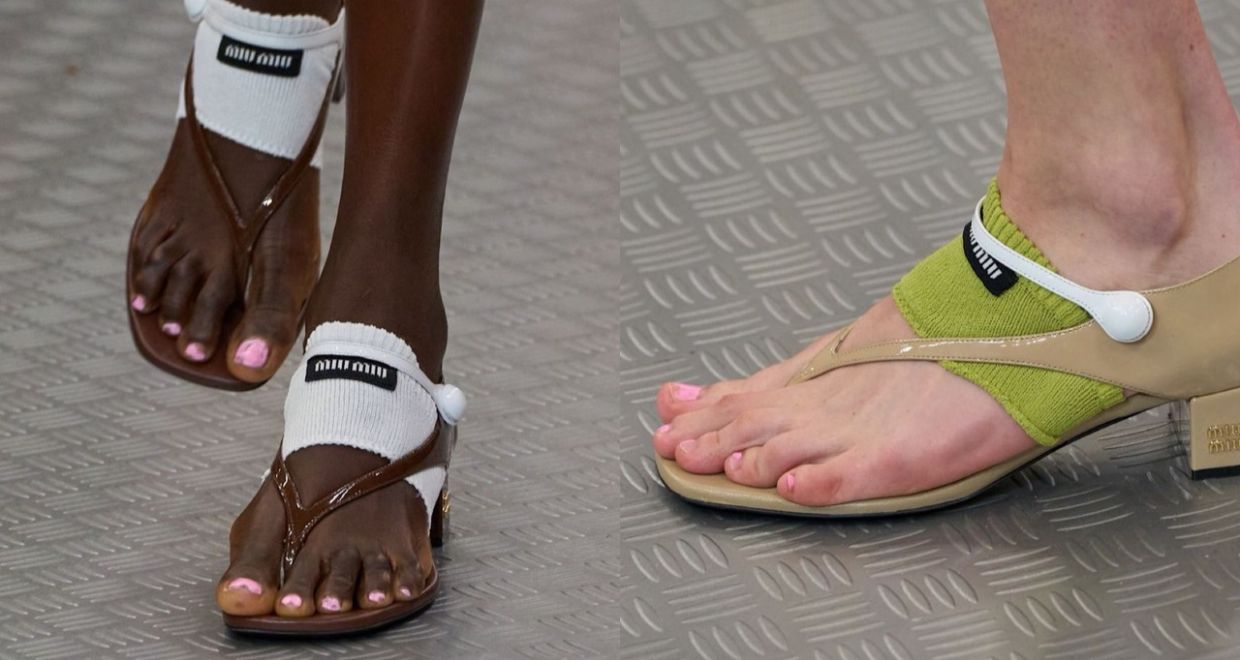
Fashionable shoppers caught in the uncomfortable space between completely bare feet and traditional full socks have found an unexpected solution this summer: open-toe socks. The hybrid accessory, which covers the arch and upper foot while leaving toes completely exposed, is rapidly gaining traction across retail platforms in South Korea and beyond. Retailers and style platforms are capitalising on the trend, positioning open-toe socks as the practical answer to summer dressing dilemmas that have plagued warm-weather fashion enthusiasts.
The timing of this trend's emergence reflects genuine seasonal pressures affecting consumer behaviour. An unusually early heat wave in South Korea accelerated the typical transition into summer footwear, prompting retailers to stock lighter options sooner than anticipated. This climate-driven shopping pattern revealed surprising demand patterns that have now crystallised into a bona fide fashion movement. Alongside flip-flop socks and translucent leg warmers, open-toe socks have carved out meaningful market presence, suggesting consumers are actively seeking alternatives to conventional seasonal dressing.
Market data underscores the explosive trajectory of this accessory category. Summer shoe sales, including mules, slides, and flip-flops, experienced an 80 percent surge between May 31 and June 7 compared to the previous year, according to online fashion platform W Concept. Yet the most striking figures come from style commerce data: transaction values for socks worn with flip-flops soared 1,664 percent over a four-week period from May 14 to June 14, while search queries jumped 3,227 percent during the same window. These numbers indicate not merely incremental growth but a fundamental shift in how consumers are approaching summer footwear styling.
The trend's fashion credentials trace directly to luxury influence. Miu Miu's 2025 Spring/Summer collection introduced an unconventional sock silhouette that wrapped exclusively around the arch and foot's midsection, departing dramatically from conventional sock design. This high-fashion endorsement provided the aesthetic legitimacy necessary for broader adoption. Celebrity amplification followed when South Korean actor Cha Jung-won shared social media content pairing sky-blue flip-flops with beige knit leg warmers, translating runway innovation into accessible street style that resonated with everyday consumers navigating their own seasonal wardrobe transitions.
What distinguishes contemporary open-toe socks from their winter predecessors is a deliberate reimagining of material and function. Modern summer versions employ sheer, mesh, and loosely knitted fabrics that prioritise breathability and visual interest over thermal insulation. They function as styling accessories rather than cold-weather essentials, adding chromatic complexity and layered texture to otherwise minimal summer footwear. This recalibration of purpose transforms socks from purely functional basics into considered style components worthy of intentional selection and coordination.
Beyond aesthetic considerations, the accessory addresses genuine practical concerns familiar to anyone who wears flip-flops regularly. The covering material reduces friction and chafing from flip-flop straps against exposed skin, a particularly valuable benefit during extended wear. During monsoon seasons common across Southeast Asia, open-toe socks can be layered beneath rain boots to minimise irritation from moisture and prolonged boot contact. This fusion of style and functionality explains much of the accessory's appeal, particularly in tropical and subtropical regions where weather extremes and extended humid seasons make comfort considerations paramount.
Styling open-toe socks requires a deliberately considered approach that differs from conventional sock coordination. Neutral palettes work effectively as entry points: grey socks paired with black flip-flops or ballet flats complement denim, Bermuda shorts, and satin skirts without overwhelming the overall composition. Those comfortable with bolder aesthetics can experiment with vivid saturated colours—yellow, coral pink, or sky blue—creating intentional visual tension through mismatched sock-and-shoe combinations. Fashion retailers emphasise that this deliberate colour play registers as contemporary and intentional rather than accidental.
The styling framework emphasises visual restraint in remaining wardrobe elements. Since open-toe socks and complementary footwear already command significant visual attention, supporting pieces should remain understated and familiar. Simple combinations of t-shirts with shorts or blouses with skirts provide sufficient foundation without competing for visual emphasis. Patterns incorporated into socks—geometric dots, floral motifs, or textural details—pair particularly effectively with solid complementary pieces, allowing the sock's design complexity to function as the look's focal point.
Retailers and style editors have begun positioning open-toe socks as deliberate summertime statement pieces rather than overlooked basics. A representative from luxury platform 29CM noted that open-toe socks function as summer accessory shortcuts, adding chromatic interest and layering sophistication to otherwise straightforward flip-flop and sandal combinations. The accessory bridges the psychological gap between bare feet, which some perceive as insufficiently finished, and traditional full-coverage socks, which feel thermally inappropriate during peak heat. Fashion editor Je Hye-yoon has characterised the trend as fundamentally reframing how consumers conceptualise socks themselves—not as items requiring concealment beneath shoes but as visible design components deserving intentional styling consideration.
For Malaysian and Southeast Asian consumers, open-toe socks represent a particularly logical fashion adaptation given regional climate conditions and existing footwear preferences. The region's consistent warm temperatures and monsoon seasons align perfectly with the practical benefits open-toe socks provide. The trend's emphasis on breathable, lightweight materials speaks directly to the needs of shoppers in tropical environments who cannot comfortably wear traditional hosiery during extended periods. As the accessory continues spreading beyond South Korea into broader Asian markets, Malaysian fashion retailers and consumers are likely to discover that open-toe socks offer exactly the functional and aesthetic equilibrium many have been seeking throughout warmer months.
%22%2F%3E%3C%2Fpattern%3E%3C%2Fdefs%3E%3Crect%20width%3D%22100%25%22%20height%3D%22100%25%22%20fill%3D%22url(%23ph5pwjeg)%22%2F%3E%3Crect%20width%3D%22100%25%22%20height%3D%22100%25%22%20fill%3D%22url(%23ph5pwjep)%22%2F%3E%3Ctext%20x%3D%2250%25%22%20y%3D%2250%25%22%20text-anchor%3D%22middle%22%20dominant-baseline%3D%22central%22%20fill%3D%22rgba(255%2C255%2C255%2C0.95)%22%20font-family%3D%22Georgia%2C%20'Times%20New%20Roman'%2C%20serif%22%20font-weight%3D%22700%22%20font-size%3D%22226%22%20letter-spacing%3D%22-0.02em%22%3ELegacy%3C%2Ftext%3E%3C%2Fsvg%3E)