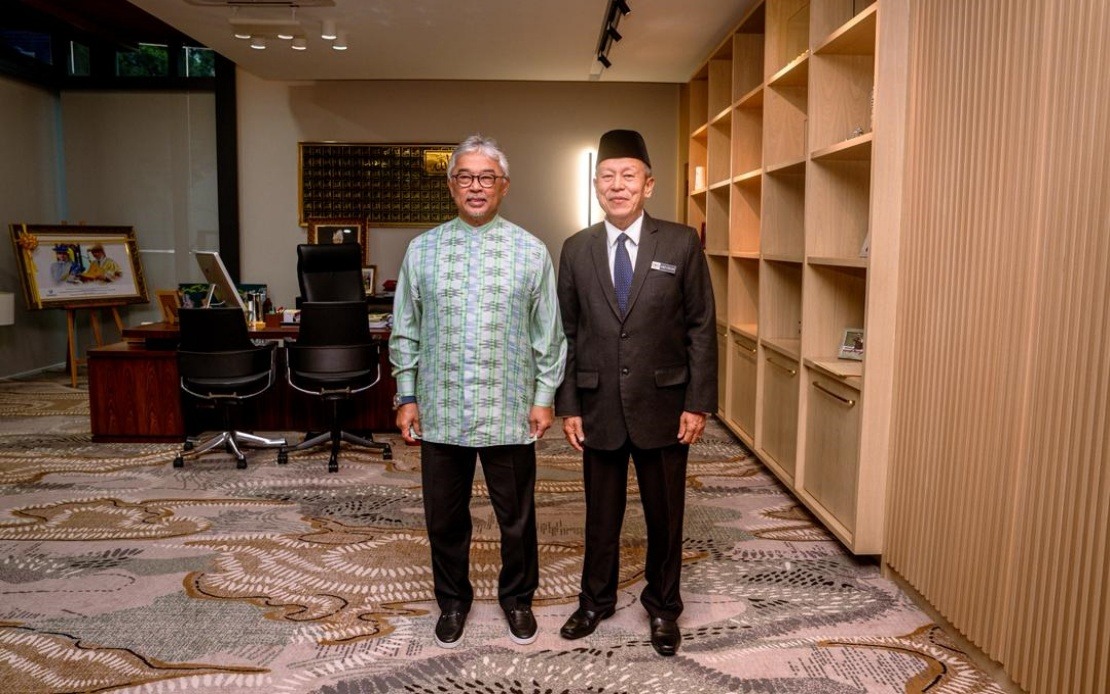
The Sultan of Pahang, Al-Sultan Abdullah Ri'ayatuddin Al-Mustafa Billah Shah, held discussions with Malaysian Anti-Corruption Commission (MACC) chief commissioner Datuk Seri Abd Halim Aman at Shahzan House in Ampang on June 18. The one-hour audience underscored the ongoing engagement between Malaysia's royal institution and the country's premier anti-corruption body in addressing governance and institutional accountability matters.
During the meeting, MACC officials presented a comprehensive overview of the commission's operational progress and strategic priorities. The briefing encompassed recent developments within the agency as it continues to navigate its mandate of investigating and prosecuting corruption cases across both public and private sectors. This direct engagement reflects the constitutional and practical significance of the monarchy in overseeing matters of national governance and institutional performance.
The discussion covered multiple dimensions of anti-corruption strategy and implementation. Officials outlined how the MACC is working to strengthen integrity frameworks across government agencies and private enterprises. Emphasis was placed on preventative mechanisms and systemic reforms designed to reduce opportunities for corrupt practices rather than merely responding to violations after they occur. Such proactive approaches have become increasingly important as Malaysia seeks to improve its standing in international corruption perception indices.
Governance issues and corruption prevention strategies formed the substantive core of conversations between the Sultan and the MACC delegation. The briefing touched on structural vulnerabilities within public institutions that the commission has identified through its investigative work. Understanding these systemic weaknesses allows for targeted policy interventions and administrative reforms. The royal audience provided an opportunity for the MACC to communicate directly how these governance challenges manifest across different sectors and levels of administration.
The MACC emphasized its initiatives designed to enhance public confidence in the enforcement agency itself. Public trust is fundamental to anti-corruption work; citizens must believe that complaints will be investigated fairly and that perpetrators will face consequences regardless of status or political affiliation. The commission outlined transparency measures, improved reporting mechanisms, and communication strategies intended to demonstrate institutional independence and impartiality. The Sultan's reception of these updates signals royal awareness of the importance of public perception regarding anti-corruption efforts.
Datuk Seri Abd Halim expressed appreciation for the Sultan's willingness to engage with the MACC on these substantive matters. The chief commissioner underscored his gratitude for the royal audience and acknowledged the significance of direct communication between the commission and the highest levels of Malaysia's institutional hierarchy. Such interactions between enforcement agencies and the monarchy create opportunities for understanding mutual concerns and priorities regarding national governance standards.
The MACC chief conveyed recognition of Al-Sultan Abdullah's demonstrated support for the commission's mandate and underlying anti-corruption objectives. This backing is important for an agency that sometimes faces criticism or pressure from various quarters. Royal endorsement of the MACC's work provides institutional legitimacy and signals that combating corruption remains a priority across Malaysia's governance structure. The Sultan's engagement validates the commission's role as essential to maintaining public trust in government.
Conversations centered on advancing transparent, accountable, and integrity-based governance throughout Malaysia's institutions. These principles represent the ideological foundation for modern public administration and reflect international standards for institutional performance. The MACC has positioned itself as an active proponent of these values, working alongside other agencies to embed them into standard operating procedures and institutional culture. The Sultan's interest in these matters reflects the monarchy's broader concern for governance quality and institutional legitimacy.
The audience in Ampang represents one element of ongoing dialogue between Malaysia's anti-corruption apparatus and other institutional stakeholders. Such engagements at the highest levels of government help ensure that anti-corruption strategy remains aligned with broader governance objectives and receives necessary institutional support. The meeting also provides the MACC with direct feedback from senior leadership regarding public perceptions and governance challenges that warrant priority attention. These interactions contribute to more coordinated and effective approaches to institutional reform and accountability.
For Malaysian readers, this interaction underscores the complex relationship between anti-corruption enforcement and broader governance structures. The involvement of the Sultan signals that anti-corruption work extends beyond a single agency and requires support across Malaysia's institutional framework. As Southeast Asian countries increasingly compete on governance quality and institutional performance—factors that influence foreign investment and international standing—Malaysia's demonstrated commitment to strengthening anti-corruption frameworks through coordinated institutional engagement provides important context for understanding the country's development trajectory and reform priorities.

%22%2F%3E%3C%2Fpattern%3E%3C%2Fdefs%3E%3Crect%20width%3D%22100%25%22%20height%3D%22100%25%22%20fill%3D%22url(%23ph2re9gg)%22%2F%3E%3Crect%20width%3D%22100%25%22%20height%3D%22100%25%22%20fill%3D%22url(%23ph2re9gp)%22%2F%3E%3Ctext%20x%3D%2250%25%22%20y%3D%2250%25%22%20text-anchor%3D%22middle%22%20dominant-baseline%3D%22central%22%20fill%3D%22rgba(255%2C255%2C255%2C0.95)%22%20font-family%3D%22Georgia%2C%20'Times%20New%20Roman'%2C%20serif%22%20font-weight%3D%22700%22%20font-size%3D%22194%22%20letter-spacing%3D%22-0.02em%22%3ETeacher%3C%2Ftext%3E%3C%2Fsvg%3E)
%22%2F%3E%3C%2Fpattern%3E%3C%2Fdefs%3E%3Crect%20width%3D%22100%25%22%20height%3D%22100%25%22%20fill%3D%22url(%23phu80ug)%22%2F%3E%3Crect%20width%3D%22100%25%22%20height%3D%22100%25%22%20fill%3D%22url(%23phu80up)%22%2F%3E%3Ctext%20x%3D%2250%25%22%20y%3D%2250%25%22%20text-anchor%3D%22middle%22%20dominant-baseline%3D%22central%22%20fill%3D%22rgba(255%2C255%2C255%2C0.95)%22%20font-family%3D%22Georgia%2C%20'Times%20New%20Roman'%2C%20serif%22%20font-weight%3D%22700%22%20font-size%3D%22136%22%20letter-spacing%3D%22-0.02em%22%3EProsecuti%E2%80%A6%3C%2Ftext%3E%3C%2Fsvg%3E)