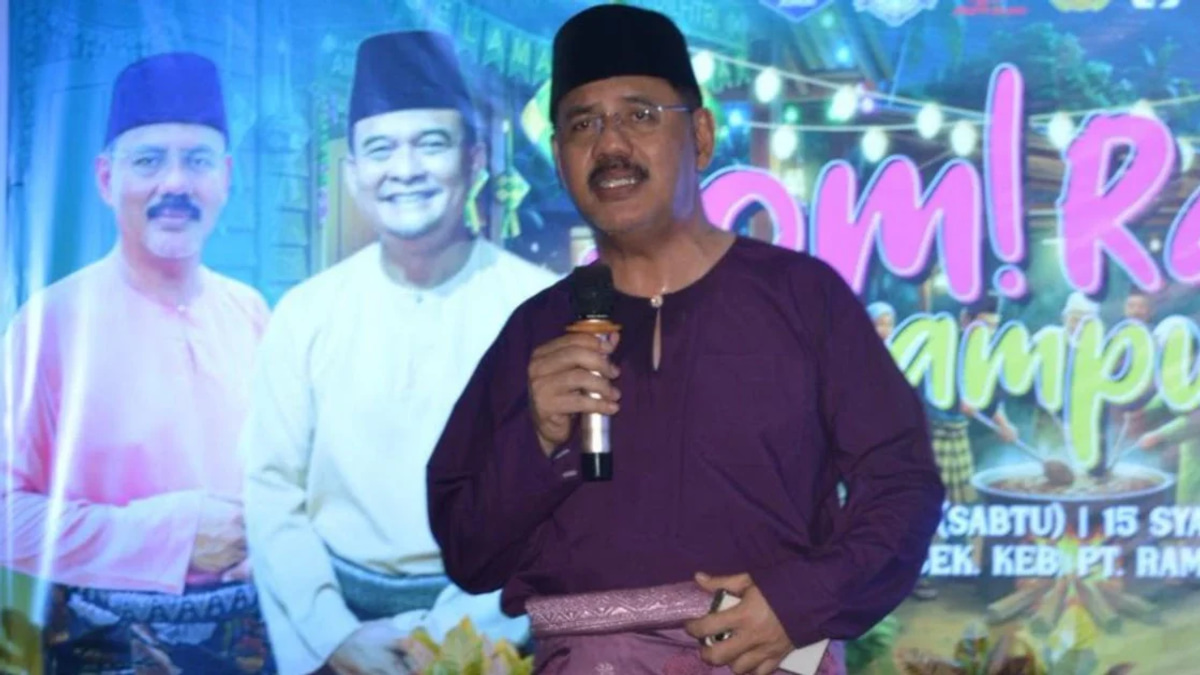
Penang Governor Tun Ramli Ngah Talib has publicly endorsed the Communications Ministry's decision to host the 2026 National Journalists' Day, or HAWANA, in Penang, describing the event as a significant opportunity to deepen public understanding of journalism's essential role in Malaysia's ongoing development. Speaking at a major gathering in Butterworth on June 20, Tun Ramli acknowledged that rotating the annual celebration across different states enables communities nationwide to engage more meaningfully with media professionals and recognise their contributions to the nation.
The selection of Penang as this year's host carries particular significance for the northern state, which has positioned itself as a progressive hub within Malaysia's economic landscape. Tun Ramli framed the hosting responsibility as recognition of Penang's standing as a developed, dynamic and competitive state, underscoring how major national events serve as platforms for regional identity and economic promotion. The convergence of nearly 1,000 media practitioners, including journalists from several ASEAN countries, demonstrates the event's growing regional stature and Penang's capability to host international-scale gatherings.
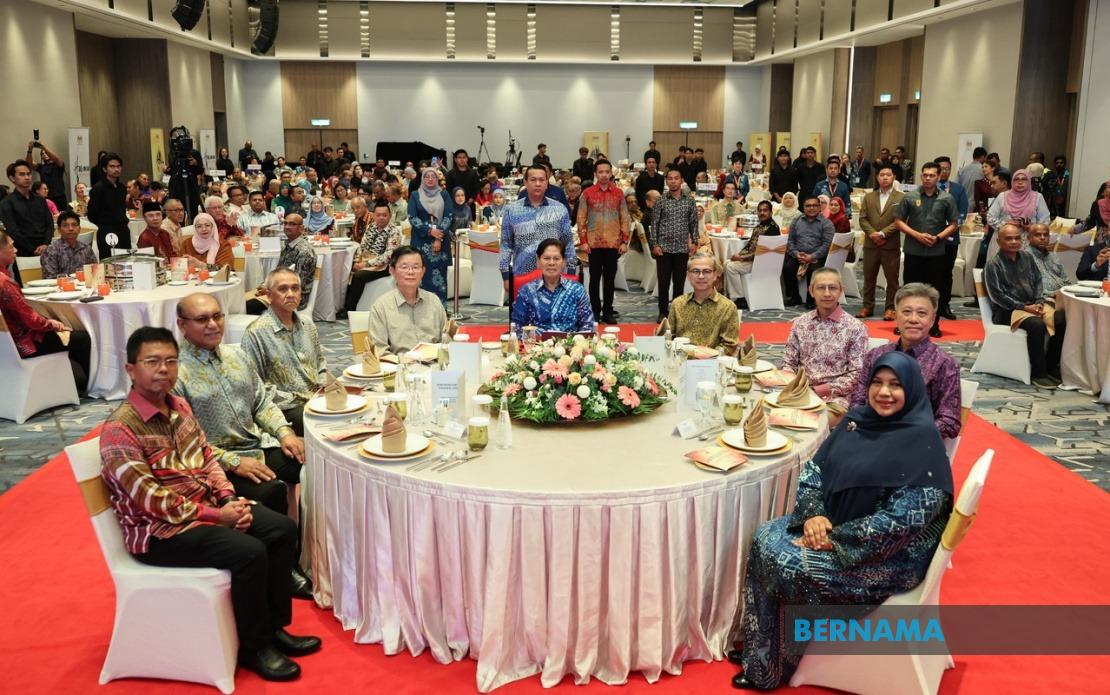
The previous evening's HAWANA dinner attracted approximately 350 senior attendees representing Malaysia's media establishment and diplomatic circles. Among those present were Penang Chief Minister Chow Kon Yeow, Communications Minister Datuk Fahmi Fadzil, and notably, Timor-Leste's Secretary of State for Social Communication, Expedito Loro Dias Ximenes. This diplomatic dimension reflects how professional recognition events increasingly serve multilateral purposes, strengthening bilateral relationships and fostering regional cooperation in communications policy and media standards.
Tun Ramli emphasised that HAWANA transcends ceremonial recognition, functioning instead as a mechanism for reinforcing professional standards within the journalism sector. The event's overarching theme, 'Media Integrity Strengthens Credibility', addresses contemporary challenges facing the industry across Southeast Asia. In Malaysia's context, where public trust in institutions fluctuates amid rapid information dissemination and competing narratives, HAWANA provides a structured forum for journalists to collectively reaffirm commitment to factual reporting and ethical practices.
The gathering's ASEAN representation carries particular relevance for Malaysia and the broader region. Southeast Asian media landscapes face comparable pressures from disinformation, resource constraints, and changing consumption patterns. By convening journalists across national borders under unified professional themes, HAWANA creates opportunities for knowledge exchange and collaborative problem-solving on issues affecting the entire region. Tun Ramli's characterisation of the event as strengthening cooperation among media organisations at the regional level acknowledges this broader strategic value beyond domestic journalism recognition.
The involvement of Prime Minister Datuk Seri Anwar Ibrahim in officiating the main event at the PICCA Convention Centre @ Butterworth Arena signals the government's commitment to supporting media professionalism. For Malaysian journalists, prime ministerial attendance at a media-focused gathering represents official acknowledgment of journalism's institutional importance, even amid occasional tensions between political leadership and press independence. This ceremonial validation carries symbolic weight, particularly for younger journalists navigating pressures from multiple stakeholders.
Bernama's role as implementing agency further institutionalises HAWANA's place within Malaysia's media governance structure. As the national news agency, Bernama serves as bridge between government communications objectives and broader industry interests. The working committee's composition, including senior Bernama executives and ministry officials, reflects how such events integrate state apparatus with professional media bodies, creating frameworks that balance governmental recognition with journalistic autonomy concerns.
The recognition of veteran journalists within the HAWANA framework addresses an often-overlooked aspect of media development: intergenerational knowledge transfer. As Malaysia's media landscape undergoes technological transformation and shifting business models, gathering experienced journalists alongside younger practitioners creates mentorship opportunities and helps preserve institutional memory of professional standards. Tun Ramli's specific mention of honouring veterans who have made invaluable contributions acknowledges this generational dimension.
For Malaysian and regional readers, HAWANA 2026's emphasis on media integrity carries practical implications. As Southeast Asia grapples with misinformation, media manipulation, and declining trust in traditional news sources, professional gatherings that reinforce ethical standards become increasingly critical. The event's regional participation suggests emerging consensus among ASEAN journalists about common challenges and shared responsibility for maintaining information ecosystem integrity.
The rotation system, whereby different states host HAWANA annually, distributes recognition and resources beyond Malaysia's major media hubs, particularly Kuala Lumpur. This approach potentially strengthens provincial journalism, provides local media practitioners visibility on a national platform, and encourages regional governments to invest in media development infrastructure. For Penang, hosting creates opportunities to showcase local media institutions and potentially attract media-related investments and initiatives.
Looking forward, HAWANA's trajectory within Malaysia's institutional calendar appears secure, particularly given consistent high-level political engagement and the event's expanding regional dimensions. For journalists themselves, the platform offers space to collectively address industry challenges, from economic sustainability to evolving professional standards in digital environments. Tun Ramli's call for HAWANA to elevate the media industry to greater heights reflects aspirations for Malaysian journalism to maintain its standing as a regional beacon amid global media transformation pressures.

%22%2F%3E%3C%2Fpattern%3E%3C%2Fdefs%3E%3Crect%20width%3D%22100%25%22%20height%3D%22100%25%22%20fill%3D%22url(%23ph38hg2g)%22%2F%3E%3Crect%20width%3D%22100%25%22%20height%3D%22100%25%22%20fill%3D%22url(%23ph38hg2p)%22%2F%3E%3Ctext%20x%3D%2250%25%22%20y%3D%2250%25%22%20text-anchor%3D%22middle%22%20dominant-baseline%3D%22central%22%20fill%3D%22rgba(255%2C255%2C255%2C0.95)%22%20font-family%3D%22Georgia%2C%20'Times%20New%20Roman'%2C%20serif%22%20font-weight%3D%22700%22%20font-size%3D%22320%22%20letter-spacing%3D%22-0.02em%22%3ERM9%3C%2Ftext%3E%3C%2Fsvg%3E)