%22%2F%3E%3C%2Fpattern%3E%3C%2Fdefs%3E%3Crect%20width%3D%22100%25%22%20height%3D%22100%25%22%20fill%3D%22url(%23ph38hg2g)%22%2F%3E%3Crect%20width%3D%22100%25%22%20height%3D%22100%25%22%20fill%3D%22url(%23ph38hg2p)%22%2F%3E%3Ctext%20x%3D%2250%25%22%20y%3D%2250%25%22%20text-anchor%3D%22middle%22%20dominant-baseline%3D%22central%22%20fill%3D%22rgba(255%2C255%2C255%2C0.95)%22%20font-family%3D%22Georgia%2C%20'Times%20New%20Roman'%2C%20serif%22%20font-weight%3D%22700%22%20font-size%3D%22320%22%20letter-spacing%3D%22-0.02em%22%3ERM9%3C%2Ftext%3E%3C%2Fsvg%3E)
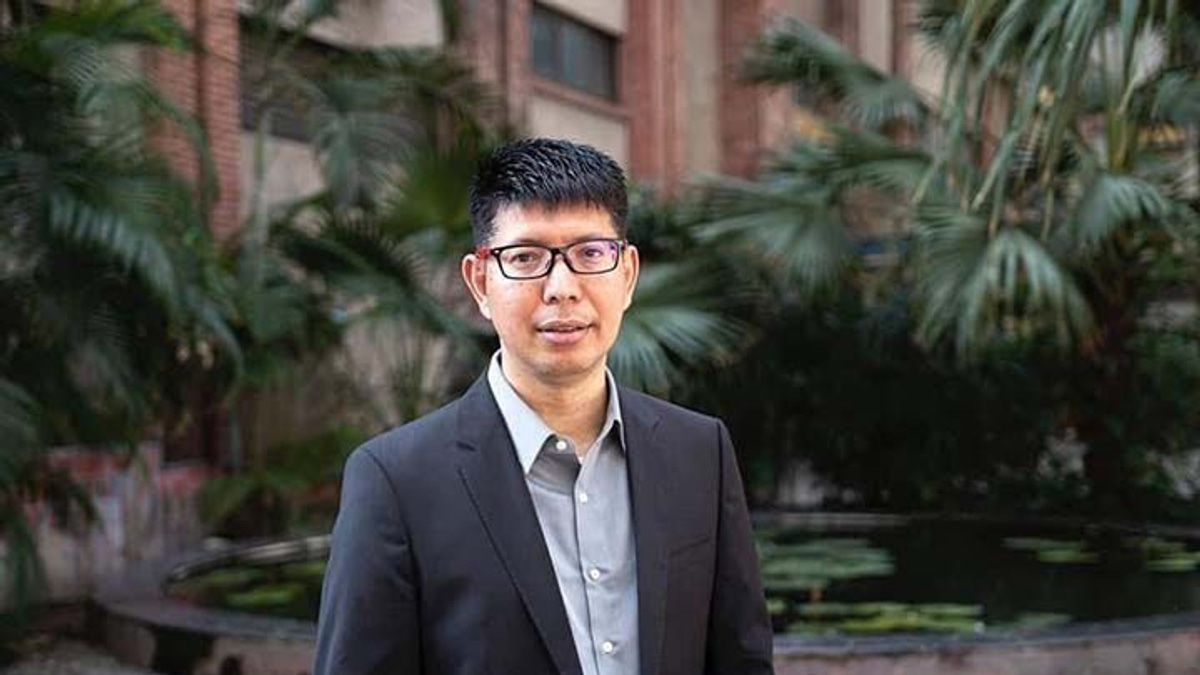
The Malaysian government is channelling RM9.8 billion through six major financial institutions to broaden microfinance availability for hawkers and small-scale entrepreneurs across the country. Deputy Finance Minister Liew Chin Tong made this announcement during the "Mikro Kredit Turun Padang" programme at Dataran Puchong Permai Farmers' Market, emphasising that the allocation represents a deliberate effort to ensure informal traders are not excluded from accessing affordable capital for business expansion.
The initiative underscores growing recognition within policymaking circles that hawkers and micro-entrepreneurs form a crucial economic segment often underserved by conventional banking channels. By directing substantial resources through dedicated microfinance institutions, the government aims to address a longstanding barrier to capital access that has historically constrained growth in Malaysia's informal and semi-formal business sectors. The RM9.8 billion commitment signals a sustained commitment beyond one-off assistance programmes, potentially reshaping the landscape for grassroots commerce across the nation.
Liew stressed that the government is not simply distributing funds but actively simplifying the application process and reducing bureaucratic friction. He noted that the visit itself serves a dual purpose: demonstrating government support to the participating institutions while simultaneously identifying additional pathways to improve penetration among traders who remain unaware of available funding options. This ground-level engagement reflects a shift towards listening-based policymaking, where finance ministry officials directly interact with beneficiaries to understand real obstacles.
The Ministry of Finance is systematically collecting feedback from grassroots traders and channelling these insights through formal government channels. Rather than treating microfinance policy as a top-down exercise, Liew indicated that suggestions arising from market-level consultations will be formally presented to the Prime Minister during the annual budget deliberation process. This mechanism could lead to policy adjustments reflecting the authentic needs of traders rather than assumptions made in air-conditioned boardrooms.
The six participating agencies—Bank Simpanan Nasional, Agrobank, Bank Rakyat, the Companies Commission of Malaysia, TEKUN Nasional, and Majlis Amanah Rakyat—collectively represent Malaysia's primary microfinance ecosystem. The inclusion of multiple players theoretically allows traders to approach institutions suited to their circumstances, whether they require regulatory registration support or agricultural lending. The institutional diversity also prevents over-concentration of risk and ensures that borrowers have options should one institution face capacity constraints.
Early results from the Puchong initiative suggest meaningful uptake. Twelve traders at the Dataran Puchong Permai market have successfully secured financing approvals, with Amanah Ikhtiar Malaysia leading at seven approvals, followed by Bank Simpanan Nasional with three and Agrobank with two. While these numbers are modest, they demonstrate that the direct engagement model can translate opportunity into actual disbursements, validating the approach's effectiveness as a demand-generation strategy.
The "Mikro Kredit Turun Padang" programme represents a departure from waiting for borrowers to navigate their way to bank branches. Instead, the government is bringing financial services directly to commercial clusters where traders naturally congregate. This farmers' market model recognises that convenience and peer learning play psychological roles in financial decision-making; when neighbouring traders visibly succeed in securing funding, others become more willing to apply. The Puchong edition follows earlier activations at Taman Melawati, Kelana Jaya, and Bandar Tasik Permaisuri farmers' markets, suggesting a systematic rollout strategy.
For Malaysian small traders, the macro significance lies in potential improvements to business scaling capacity. Microfinance availability directly influences inventory management, equipment upgrades, and working capital expansion. Hawkers operating on minimal cash reserves often forego profitable opportunities due to inability to finance stock purchases or invest in modest improvements. Broader access to credit at reasonable terms could catalyse modest but meaningful productivity gains across tens of thousands of enterprises.
The regional implications are worth noting. Southeast Asia's informal economy remains substantially larger than formal sectors in several countries, yet financial inclusion remains inadequate. Malaysia's multi-institutional approach to microfinance could offer lessons for neighbouring economies grappling with similar challenges. The emphasis on simplifying access rather than expanding credit volume alone reflects mature thinking about financial inclusion—expanding credit without addressing application friction yields limited real-world benefit.
However, questions remain about loan sustainability and borrower capacity. Microfinance expansion must be accompanied by financial literacy initiatives ensuring traders understand repayment obligations and interest rates. Over-extension of credit to marginal borrowers risks creating debt traps rather than enabling genuine business growth. The government would benefit from publishing detailed repayment performance metrics alongside approval numbers to assess programme health.
Looking forward, the RM9.8 billion allocation appears structured as a long-term commitment rather than a temporary gesture. The involvement of institutional heavyweights like Bank Rakyat and Agrobank suggests permanence. If execution remains focused and bureaucratic barriers continue diminishing, this initiative could meaningfully improve capital accessibility for Malaysia's entrepreneurial underclass. The key will be maintaining momentum beyond initial enthusiasm, ensuring that the grassroots feedback mechanisms remain functional, and continuously refining delivery mechanisms based on field experience.
%22%2F%3E%3C%2Fpattern%3E%3C%2Fdefs%3E%3Crect%20width%3D%22100%25%22%20height%3D%22100%25%22%20fill%3D%22url(%23ph2q5scg)%22%2F%3E%3Crect%20width%3D%22100%25%22%20height%3D%22100%25%22%20fill%3D%22url(%23ph2q5scp)%22%2F%3E%3Ctext%20x%3D%2250%25%22%20y%3D%2250%25%22%20text-anchor%3D%22middle%22%20dominant-baseline%3D%22central%22%20fill%3D%22rgba(255%2C255%2C255%2C0.95)%22%20font-family%3D%22Georgia%2C%20'Times%20New%20Roman'%2C%20serif%22%20font-weight%3D%22700%22%20font-size%3D%22170%22%20letter-spacing%3D%22-0.02em%22%3EMalaysia%3C%2Ftext%3E%3C%2Fsvg%3E)