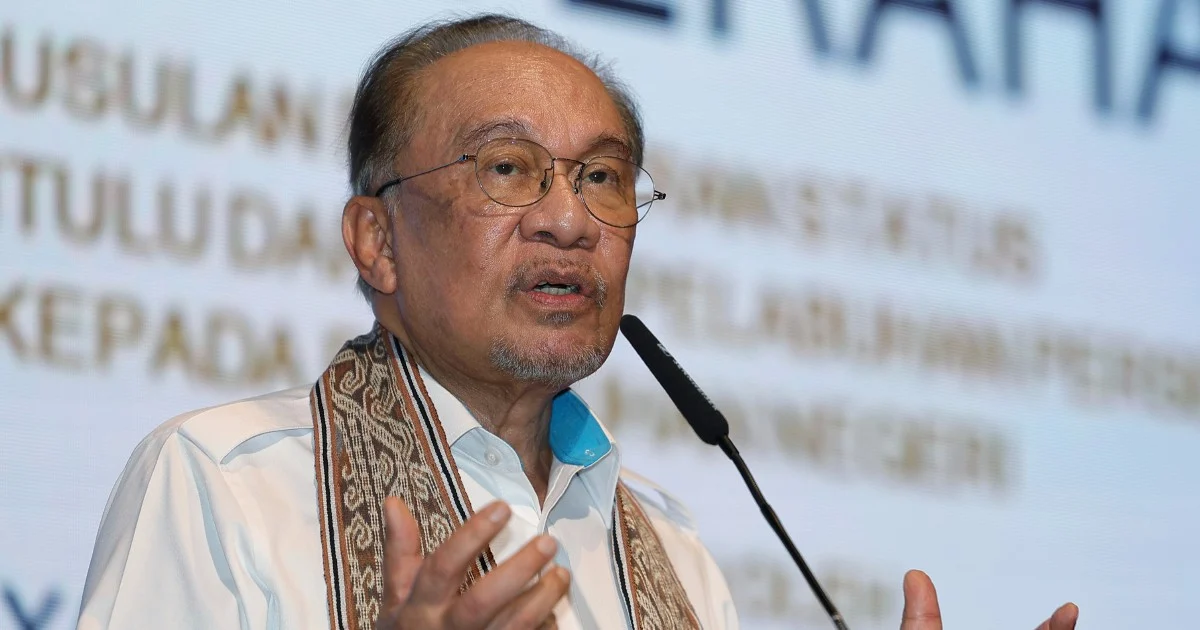
Prime Minister Datuk Seri Anwar Ibrahim has indicated that ongoing discussions between Petronas and Petros, Sarawak's state-owned oil company, are advancing in a positive direction. The Prime Minister's remarks, delivered during a visit to Kuching, underscore the Malaysian government's commitment to fostering deeper operational synergies between the nation's largest petroleum producer and its significant regional counterpart.
The dialogue between Petronas and Petros holds particular importance for Malaysia's energy sector, as it bridges the interests of the federal government and Sarawak's state administration. Petros, which manages Sarawak's petroleum resources within the state's designated boundaries, has grown into a substantial player in regional hydrocarbon exploration and production. The two entities control complementary assets and expertise, making collaborative arrangements potentially beneficial for both operational efficiency and long-term resource optimisation across Malaysian petroleum fields.
While specific details of the negotiation agenda were not disclosed by Anwar Ibrahim, such discussions typically encompass joint development projects, operational coordination in overlapping maritime zones, technology sharing arrangements, and revenue-sharing mechanisms. The framing of the talks as demonstrating positive momentum suggests that negotiators have moved beyond preliminary posturing and are now engaging substantively on key technical and commercial terms.
For Malaysia, strengthening ties between Petronas and Petros carries strategic implications beyond mere corporate cooperation. The relationship between federal and state energy governance has historically involved complex negotiations, particularly concerning resource allocation, regulatory authority, and revenue distribution. Any breakthrough in the Petronas-Petros dialogue could establish a template for more harmonious resource management and potentially unlock additional investment in joint ventures that might otherwise face coordination hurdles.
The Southeast Asian energy landscape is undergoing substantial transformation, driven by the global transition toward cleaner power sources and volatile commodity pricing. Against this backdrop, Malaysian petroleum companies must optimise their operational efficiency and capital deployment. Closer coordination between Petronas and Petros could enable both entities to better navigate the sector's challenges by pooling technical expertise, rationalising exploration expenditure, and identifying complementary growth opportunities in emerging markets.
Petros has been progressively expanding its international footprint in recent years, pursuing overseas petroleum interests alongside its domestic operations. Greater strategic alignment with Petronas, which maintains extensive global operations and technical capabilities, could accelerate Petros's international expansion whilst ensuring that Malaysia's combined hydrocarbon sector operates with greater coherence. Such coordination would also enhance the negotiating position of Malaysian energy companies in international bidding processes and project partnerships.
From a financial perspective, collaborative arrangements between the two companies could unlock value through operational efficiencies, reduced redundancy in support functions, and shared infrastructure investments. The oil and gas sector in Malaysia remains a significant contributor to government revenue and foreign exchange earnings, making sectoral optimisation a matter of national economic interest. Improved coordination between Petronas and Petros would strengthen this critical revenue source amid global energy market uncertainty.
Anwar Ibrahim's public acknowledgment of positive negotiation progress appears designed to assure both the investment community and regional stakeholders that Malaysia's energy sector governance is functioning constructively. Political and corporate confidence in the sector's leadership direction influences capital allocation decisions, workforce retention, and international partner perceptions. The Prime Minister's statement signals stability and forward momentum at a time when clarity on strategic direction benefits the industry.
For Sarawak, the enhanced partnership prospect carries tangible benefits beyond operational considerations. The state has consistently sought to maximise returns from its petroleum endowment whilst maintaining greater control over developmental decisions affecting its territory. Deeper engagement with Petronas on a collaborative rather than purely hierarchical basis provides Sarawak with greater voice in shaping the sector's trajectory and ensures that state interests receive proportionate consideration in resource management decisions.
The broader context of federal-state relations in Malaysia makes this energy sector cooperation particularly noteworthy. Successful collaboration between Petronas and Petros demonstrates that entities with overlapping jurisdictions and competing interests can identify mutually advantageous arrangements. Such precedent could potentially extend to other sectors where federal and state authorities must balance competing mandates and resource claims.
Market observers will be watching for concrete announcements concerning joint ventures, operational protocols, or governance structures that formalise the reportedly positive momentum. The transition from diplomatic pleasantries to binding commercial arrangements represents the true measure of negotiation success. Any substantive agreements would need to satisfy both organisations' operational requirements, financial expectations, and strategic objectives whilst respecting the distinct legal and political frameworks governing federal and state petroleum interests.
Investors seeking exposure to Malaysian petroleum sector upside will likely interpret improved Petronas-Petros coordination as a positive sign for sector stability and enhanced returns. The energy business requires long-term capital commitments and policy clarity, both of which benefit from harmonised governance and cooperative relationships among major stakeholders. As Malaysia continues positioning itself as a reliable energy supplier within Southeast Asia, demonstrable cooperation between its primary petroleum entities reinforces that credibility with international energy markets and potential project partners.

%22%2F%3E%3C%2Fpattern%3E%3C%2Fdefs%3E%3Crect%20width%3D%22100%25%22%20height%3D%22100%25%22%20fill%3D%22url(%23ph6m3xg)%22%2F%3E%3Crect%20width%3D%22100%25%22%20height%3D%22100%25%22%20fill%3D%22url(%23ph6m3xp)%22%2F%3E%3Ctext%20x%3D%2250%25%22%20y%3D%2250%25%22%20text-anchor%3D%22middle%22%20dominant-baseline%3D%22central%22%20fill%3D%22rgba(255%2C255%2C255%2C0.95)%22%20font-family%3D%22Georgia%2C%20'Times%20New%20Roman'%2C%20serif%22%20font-weight%3D%22700%22%20font-size%3D%22320%22%20letter-spacing%3D%22-0.02em%22%3E32%3C%2Ftext%3E%3C%2Fsvg%3E)