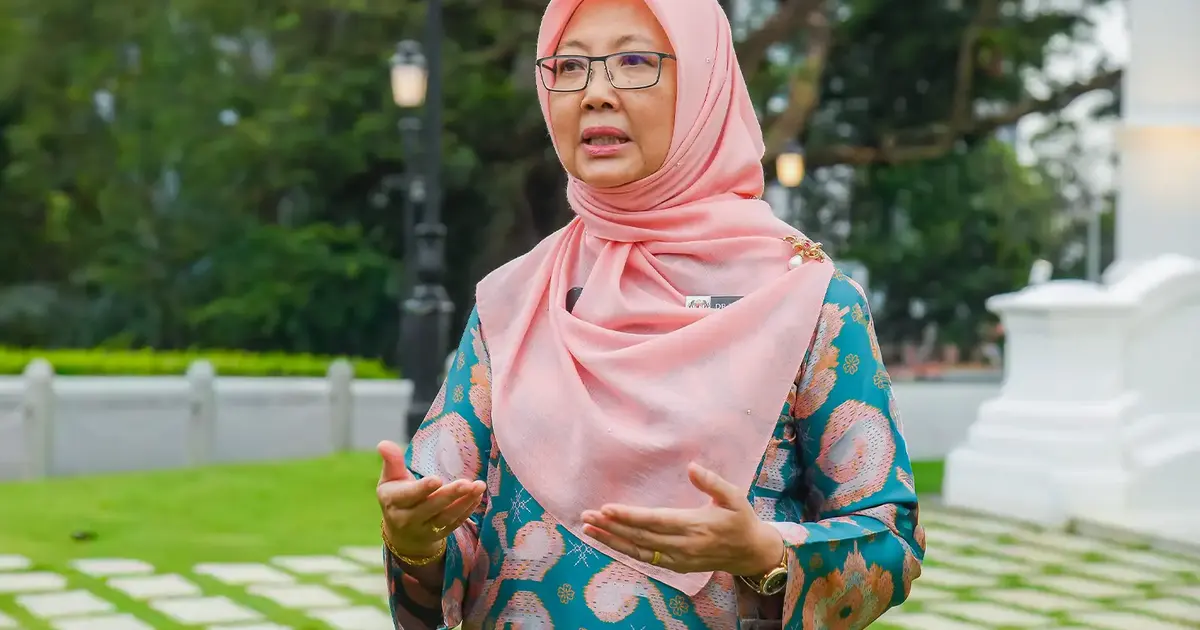
PKR vice-president Zaliha Harun has expressed confusion at Johor Barisan Nasional chairman Onn Hafiz Ghazi's recent insistence that Pakatan Harapan produce a designated poster boy for the upcoming Johor state elections, questioning the practical sense of such a demand when no guarantee exists that the nominated figure would ultimately secure the menteri besar position.
The timing of Onn Hafiz's call reflects the intensifying pre-election jockeying between the ruling coalition and the opposition, with the Johor assemblies likely to be dissolved soon. By pressing Pakatan Harapan to publicly declare its chief ministerial face, the Barisan Nasional camp may be attempting to lock the opposition into a commitment and create avenues for political attack. However, Zaliha's rebuttal highlights a fundamental asymmetry in such demands: unlike the sitting government, which can reasonably expect its nominated menteri besar to take office if it wins, the opposition cannot offer such certainty without first winning the state.
The opposition coalition's reluctance to prematurely unveil a specific individual as its preferred menteri besar candidate may also stem from practical coalition management. Pakatan Harapan comprises multiple parties—PKR, Democratic Action Party, and Amanah—each with interests in representing the state's top position. Announcing a single poster boy risks alienating parties that feel sidelined or undervalued within the coalition structure. This internal coalition arithmetic is rarely discussed publicly but shapes strategy significantly in multiparty arrangements.
Zaliha's puzzlement also reflects a broader political reality in Malaysia's electoral system. The menteri besar is chosen by the sultan after the election results are known, technically requiring the elected assemblies to present their preference through a majority. This constitutional arrangement means that even after securing the most seats, the ruling coalition must still navigate palace protocols and potential negotiations. The menteri besar is not automatically determined by vote share but by the sultan's discretion, adding layers of uncertainty that Onn Hafiz's demand conveniently sidesteps.
For Johor specifically, the state's political landscape has been unusually volatile in recent years. The state government has witnessed frequent power transitions and internal reorganisations, making any commitment to a particular figurehead inherently risky for the opposition. Zaliha's stance suggests Pakatan Harapan is wary of over-committing to an individual whose political fortunes could shift, especially given Johor's track record of surprise political developments.
Onn Hafiz's demand may also be calculated to serve a secondary purpose: sowing doubt about Pakatan Harapan's preparedness or internal cohesion if the coalition declines to name a candidate publicly. By framing the refusal as indecision or lack of unity, Barisan Nasional could attempt to weaken opposition momentum during the campaign period. Such messaging strategies are standard in competitive elections, where controlling the narrative about opponents' weaknesses becomes as important as promoting one's own strengths.
The PKR vice-president's response underscores a key tactical consideration: why should any opposition coalition volunteer information that could be weaponised during campaigning? By keeping options open regarding potential menteri besar candidates, Pakatan Harapan preserves flexibility and maintains leverage within its own coalition negotiations. This approach, while potentially frustrating for voters seeking clarity, reflects the complex realities of Malaysian coalition politics.
Johor's electoral importance cannot be overstated. As one of Malaysia's largest states by population and economy, control of Johor significantly shapes the national political balance. Both coalitions are investing substantial resources and political capital into winning the state, making every tactical consideration—including who fronts the campaign and how candidates are presented to voters—critical to overall strategy.
Historically, Johor has been a Barisan Nasional stronghold, but recent elections have demonstrated growing support for the opposition coalition. The state's demographics, urbanisation patterns, and economic conditions have created space for political competition previously unimaginable. Against this backdrop, Zaliha's refusal to comply with Onn Hafiz's demand represents Pakatan Harapan's determination to fight the election on its own terms rather than accept framings imposed by political opponents.
The broader implication of this exchange is that pre-election posturing in Johor will likely remain fluid and strategically calculated. Neither side has strong incentives to clarify positions prematurely when ambiguity might serve their interests. For ordinary Johor voters, this means the menteri besar question will remain partially unresolved until after the polls, requiring them to vote based on party records and policy platforms rather than a pre-announced individual.
As the state election approaches, such exchanges between Barisan Nasional and Pakatan Harapan representatives will probably intensify. Each side will attempt to frame the election narrative in ways most advantageous to their campaign strategy. Zaliha's measured response suggests the opposition coalition remains disciplined in resisting attempts to be drawn into commitments that limit future flexibility, a lesson learned from previous electoral contests where premature declarations created vulnerabilities.
%22%2F%3E%3C%2Fpattern%3E%3C%2Fdefs%3E%3Crect%20width%3D%22100%25%22%20height%3D%22100%25%22%20fill%3D%22url(%23ph3duqbg)%22%2F%3E%3Crect%20width%3D%22100%25%22%20height%3D%22100%25%22%20fill%3D%22url(%23ph3duqbp)%22%2F%3E%3Ctext%20x%3D%2250%25%22%20y%3D%2250%25%22%20text-anchor%3D%22middle%22%20dominant-baseline%3D%22central%22%20fill%3D%22rgba(255%2C255%2C255%2C0.95)%22%20font-family%3D%22Georgia%2C%20'Times%20New%20Roman'%2C%20serif%22%20font-weight%3D%22700%22%20font-size%3D%22320%22%20letter-spacing%3D%22-0.02em%22%3E300%3C%2Ftext%3E%3C%2Fsvg%3E)