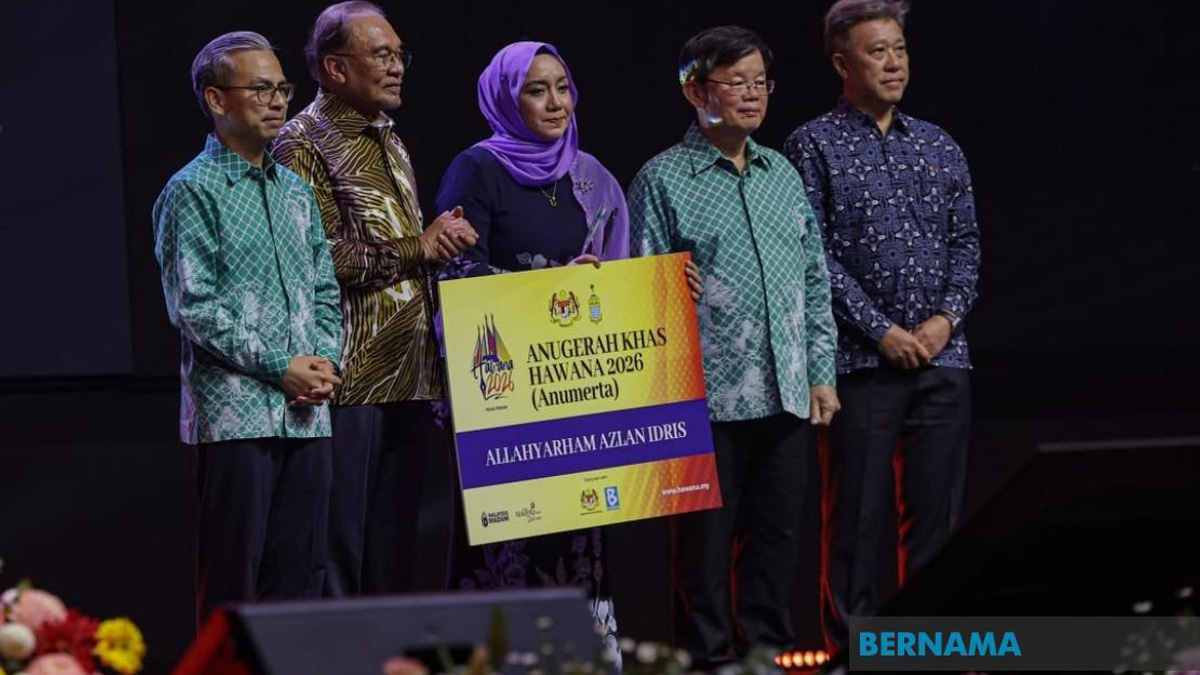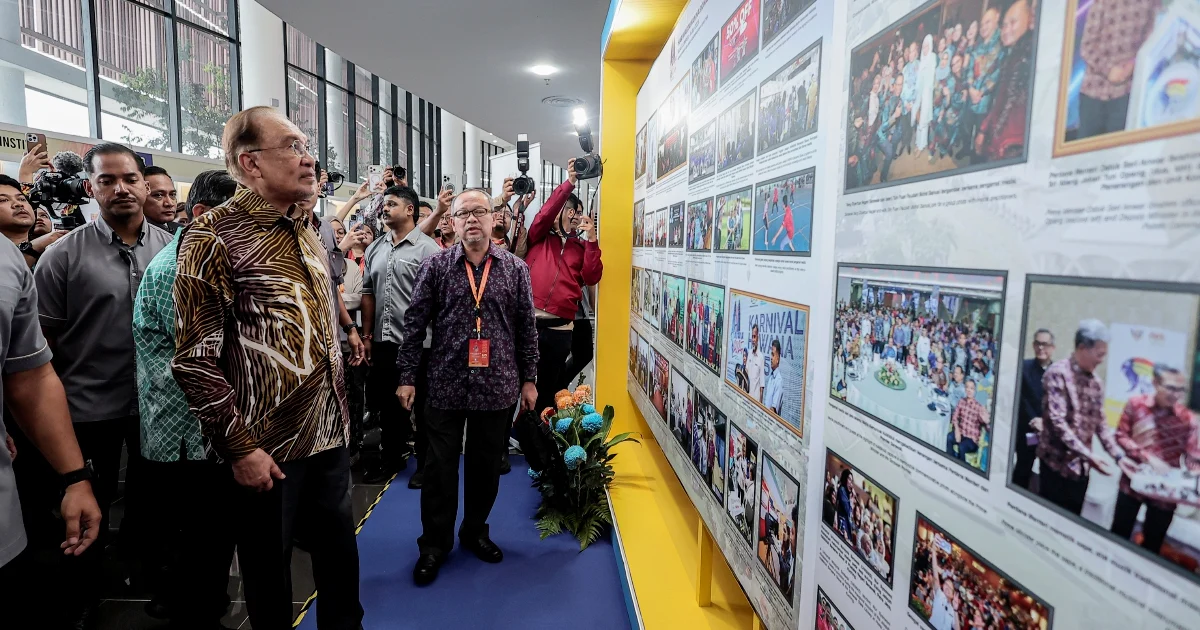
Prime Minister Datuk Seri Anwar Ibrahim has committed RM1 million in government funding toward Tabung Kasih@Hawana 2026, an initiative designed to enhance the financial welfare of journalists across Malaysia. The announcement, made during an event in Permatang Pauh, underscores the administration's stated priority of supporting industry professionals during a period of significant transition within Malaysia's media landscape.
The allocation represents a targeted intervention in an industry facing structural pressures from digital disruption, economic uncertainty, and shifting advertising patterns. By directing public resources toward journalist welfare, the government is positioning itself as an active stakeholder in stabilising what it views as a critical institution for democratic discourse and national development. The specific designation of funds through Tabung Kasih—a charitable mechanism—suggests an acknowledgment that market forces alone are insufficient to maintain adequate professional standards and worker protections across all news organisations.
Hawana 2026 appears to serve as a broader framework encompassing multiple media development priorities. The inclusion of this welfare fund within that initiative indicates that journalist economic security is being treated as integral to any meaningful media transformation agenda. This framing acknowledges international evidence suggesting that financially stressed newsrooms are more vulnerable to compromised editorial standards, reduced investigative capacity, and decreased coverage of local accountability issues—outcomes detrimental to both public interest and professional credibility.
For Malaysian journalists, whose median earnings have faced stagnation relative to inflation and whose job security has eroded alongside advertising revenue declines, such support offers tangible relief. The timing aligns with broader industry consolidation, newsroom downsizing, and the migration of advertising spend toward digital platforms operated by international technology companies. In this context, government-backed welfare mechanisms may prevent the exodus of experienced reporters and editors to other sectors, preserving institutional knowledge and investigative capabilities that take years to rebuild.
The Prime Minister's continued emphasis on government commitment to media industry transformation carries political significance. By publicly reaffirming support for journalists, Anwar Ibrahim is attempting to establish a collaborative rather than adversarial relationship with the profession. This stands in contrast to earlier periods when Malaysian governments maintained more combative stances toward press scrutiny, suggesting a strategic recalibration toward engagement and partnership rather than control.
Regionally, Malaysia's approach offers a model that other Southeast Asian democracies and developing nations might observe. Unlike some neighbouring countries that have pursued restrictive media policies, the Malaysian government's investment in journalist welfare and industry sustainability demonstrates a market-friendly approach that avoids direct editorial control while addressing legitimate structural challenges. This positioning may influence how other governments in the region conceptualise media support mechanisms.
Yet questions remain about the fund's administration, transparency, and reach. RM1 million, while meaningful, represents a modest allocation relative to the scale of Malaysia's media ecosystem, which encompasses print, broadcast, and digital outlets employing thousands. The effectiveness of such measures will depend on equitable distribution mechanisms, clear eligibility criteria, and mechanisms preventing concentration of benefits among larger, already-established news organisations.
The announcement also reflects broader policy recognition that media industry health cannot be decoupled from economic welfare considerations for individual journalists. Research internationally demonstrates correlations between reporter income stability and editorial independence—undersupported journalists may face pressure to undertake outside work, commercial assignments, or other compromising activities. By institutionalising welfare support, the government is theoretically investing in conditions that enable more autonomous journalism.
Further government initiatives within the Hawana 2026 framework will likely focus on digital transition support, skills training in emerging platforms and formats, and possibly infrastructure investment in local news capacity. These complementary measures would position welfare allocation as one component within a comprehensive modernisation strategy rather than a standalone subsidy. Such holistic approaches typically yield better outcomes than isolated interventions.
The announcement carries implications for media ownership structures and business models. While welfare funds assist individual journalists, they do not address underlying sustainability challenges facing news organisations themselves. Outlets remain vulnerable to declining print revenues, unfavourable digital economics, and competition from social media platforms. Sustainable solutions may ultimately require complementary policy interventions affecting media economics more broadly—advertising incentives, digital tax frameworks, or public broadcasting investments.
International media organisations monitoring Malaysia's media environment will likely interpret this investment positively as evidence of government openness toward supporting rather than suppressing journalistic capacity. However, meaningful assessment will require monitoring how funds are actually distributed, whether welfare reaches precarious and freelance journalists alongside those in formal employment, and whether the initiative translates into demonstrable improvements in coverage scope and quality.
For the Malaysian media industry specifically, the RM1 million allocation signals that welfare considerations are entering mainstream policy discourse rather than remaining peripheral concerns. Whether this represents a beginning of sustained, expanding support or a nominal gesture will become clearer as implementation details emerge and subsequent fiscal years unfold.