%22%2F%3E%3C%2Fpattern%3E%3C%2Fdefs%3E%3Crect%20width%3D%22100%25%22%20height%3D%22100%25%22%20fill%3D%22url(%23ph3nybjg)%22%2F%3E%3Crect%20width%3D%22100%25%22%20height%3D%22100%25%22%20fill%3D%22url(%23ph3nybjp)%22%2F%3E%3Ctext%20x%3D%2250%25%22%20y%3D%2250%25%22%20text-anchor%3D%22middle%22%20dominant-baseline%3D%22central%22%20fill%3D%22rgba(255%2C255%2C255%2C0.95)%22%20font-family%3D%22Georgia%2C%20'Times%20New%20Roman'%2C%20serif%22%20font-weight%3D%22700%22%20font-size%3D%22320%22%20letter-spacing%3D%22-0.02em%22%3EPM%3C%2Ftext%3E%3C%2Fsvg%3E)
Datuk Seri Dr Wan Azizah Wan Ismail, president of Pergerakan Puteri Islam Malaysia (PPIM) and wife of the Prime Minister, visited the National Planetarium in Kuala Lumpur on June 20 to meet with nearly 400 participants concluding a three-day national nature camp programme. The gathering underscored the organisation's commitment to youth development through environmental education and character-building initiatives that blend Islamic values with practical life skills.
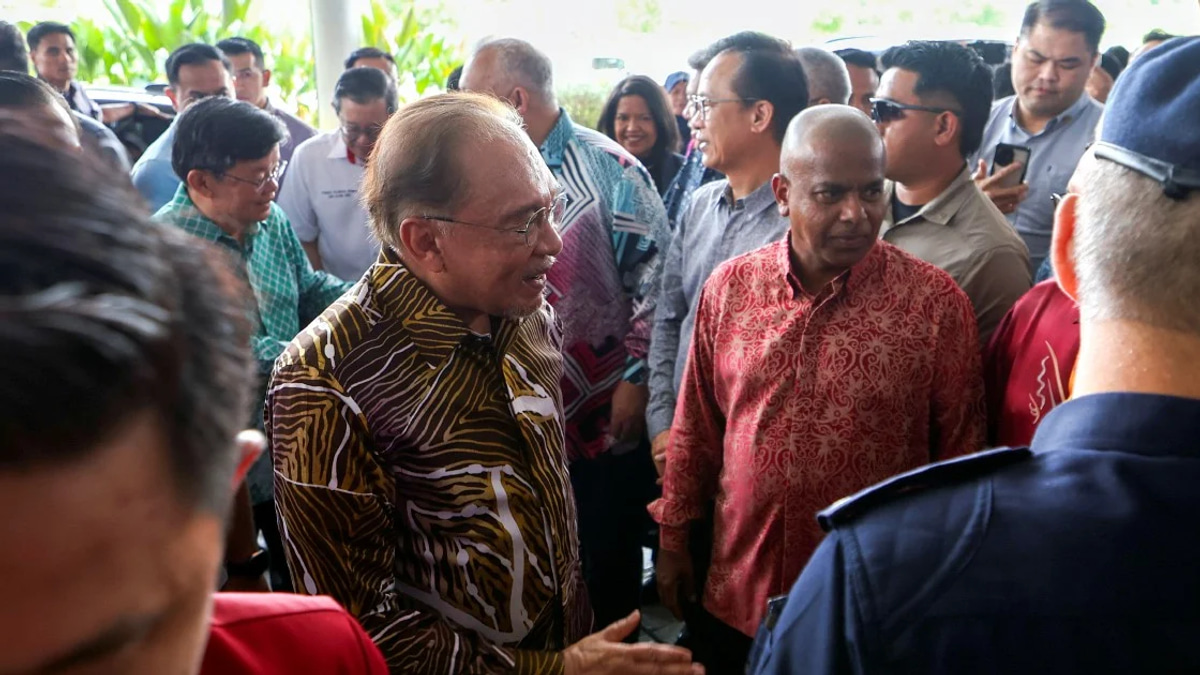
The three-day National Level Nature Camp 2026 had been held from June 18 to 20 at Laman Puteri in Kompleks Darul Puteri along Jalan Cheras, hosting 395 young people from across Malaysia. The closing ceremony and final educational component took place at the National Planetarium, where Dr Wan Azizah arrived at 1.17 pm to meet camp participants. She toured the planetarium lobby, greeting attendees and signing the visitors' book in her official capacity as PPIM's national leader.
Beyond ceremonial functions, the event reflected PPIM's strategic educational philosophy. According to PPIM honorary secretary Aizar Mohd Jaman, this edition of the camp—held once every two years—deliberately integrated three core dimensions: environmental stewardship, Quranic teachings, and transferable life competencies. This holistic approach targets the development of well-rounded Muslim youth grounded in both spiritual knowledge and practical capabilities needed for contemporary challenges.
The camp's curriculum aligns with PPIM's broader eight-pillar framework, which encompasses spirituality, technical and soft skills development, environmental consciousness, camping and outdoor competence, organisational management, health and wellness, and personal development pathways. By bringing these elements together in an intensive residential programme, PPIM seeks to foster integrated character growth rather than compartmentalised learning.
The closing event drew attendance from senior government officials including Datuk Ruziah Shafei, deputy secretary-general of the Ministry of Science, Technology and Innovation (responsible for science policy and public engagement). This government presence signals recognition of the camp's role in promoting scientific literacy and environmental awareness among Malaysia's youth. The National Planetarium's involvement as host venue for the closing ceremony reinforced the educational focus on astronomy and broader scientific inquiry.
National and state-level PPIM leadership were present alongside National Planetarium director Mohd Zamri Shah Mastor, indicating organisational coordination across multiple tiers. Such structured participation ensures that learning outcomes are documented and integrated into PPIM's broader strategic initiatives at grassroots and national policy levels.
For Malaysian educators and parents, the camp model offers insight into how youth organisations balance religious education with secular competencies—a challenge increasingly relevant in Southeast Asian contexts. The emphasis on environmental knowledge reflects global concerns about climate change and conservation, making the programme's ecological components particularly timely given Malaysia's biodiversity and ongoing land-use debates.
The biennial cycle of the camp suggests PPIM's attempt to institutionalise youth development through regular, substantial programmes rather than ad-hoc events. Training nearly 400 participants every two years represents considerable investment in pipeline development for the organisation's future leadership and membership.
The choice of the National Planetarium as the closing venue carries symbolic weight. Astronomy and cosmology traditionally intersect with philosophical and theological reflection—themes well-suited to an event emphasising the integration of Quranic thought with scientific understanding. This setting implicitly communicates that Islamic education and scientific inquiry are complementary rather than contradictory pursuits, a message relevant to regional debates about education and modernisation.
For regional observers, PPIM's programmatic approach reflects broader trends across Southeast Asian Muslim-majority countries, where organisations seek to position Islam as compatible with science, environmental stewardship, and skills-based development. Such efforts aim to counter narratives of incompatibility between religious identity and modernity, influencing how young Muslims in Malaysia and the region understand their faith's relationship to contemporary knowledge systems and social responsibilities.