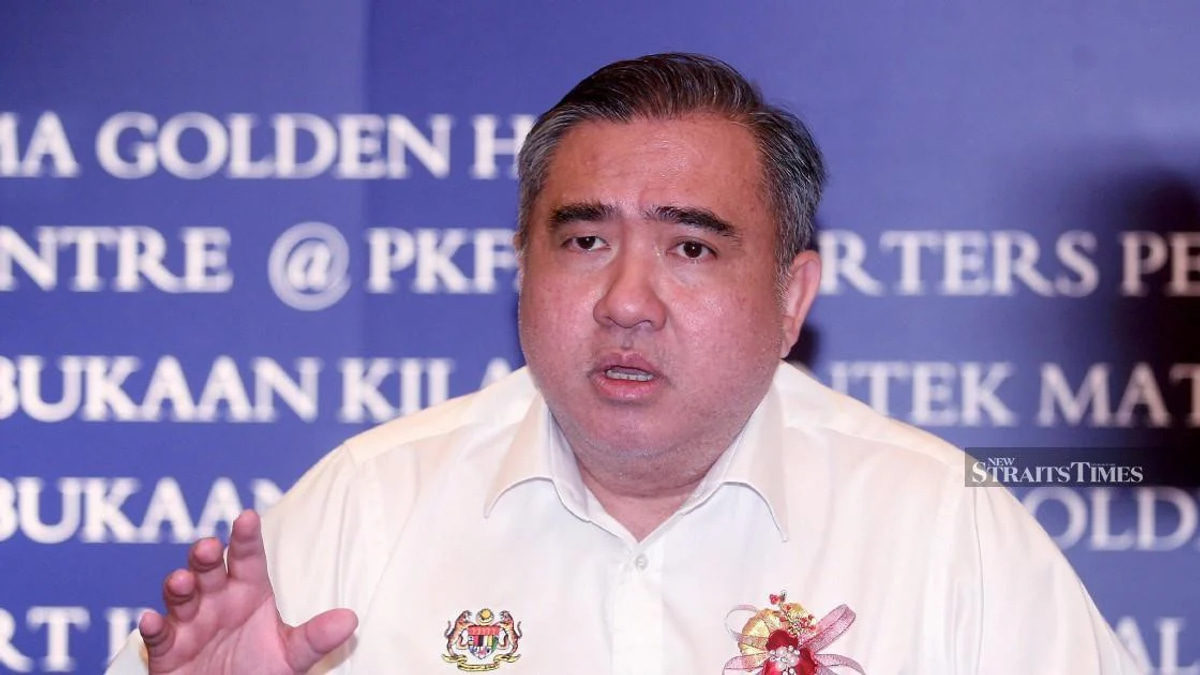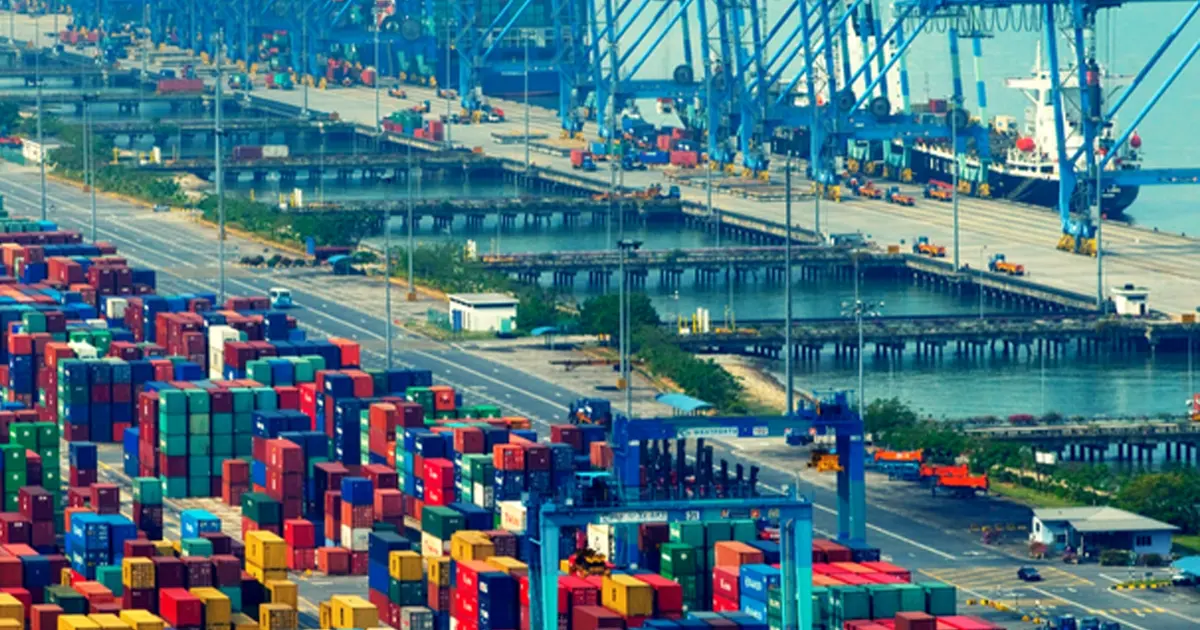
The Port Klang Free Zone has emerged from a challenging period with renewed momentum, generating RM108 million in revenue while progressively restoring operations to near full capacity. Transport Minister Loke Siew Fook characterised the performance as reflecting steady, encouraging growth throughout the 18-month recovery phase, underscoring the facility's strategic importance to Malaysia's maritime and logistics infrastructure.
The milestone carries particular significance given the free zone's troubled history. Once a flagship facility meant to streamline cargo handling and attract regional trade, the port operations had faced significant disruption that necessitated comprehensive restructuring. The phased reactivation process—now reaching 86 per cent operational capacity—represents a methodical, measured approach to restoring full functionality while addressing underlying operational and management challenges that had previously constrained performance.
For Malaysian businesses and regional traders, the PKFZ's recovery holds tangible implications. The facility serves as a critical gateway for companies engaged in regional trade, offering tax incentives and streamlined customs procedures that reduce transaction costs and accelerate cargo movement. As operations return to near-full capacity, logistics providers, import-export companies, and manufacturers dependent on Port Klang's free zone facilities should experience improved service reliability and reduced delays that have characterised the recovery period.
The revenue performance, while encouraging, must be contextualised against pre-disruption benchmarks. The RM108 million reflects the current operational footprint rather than the facility's full potential. Industry observers anticipate further revenue growth as reactivation progresses beyond the 86 per cent threshold and tenants scale up operations previously constrained by capacity limitations. This growth trajectory suggests that the facility is progressively reclaiming market share from competing regional ports.
The recovery also reflects broader trends reshaping Southeast Asian logistics. Supply chain diversification pressures, combined with attempts to reduce dependence on single-port solutions, have encouraged multinational companies and trading houses to reassess Malaysian facilities. The PKFZ's rehabilitation positions it to capture greater portions of this reconfiguring trade flow, though competition from Port Klang's general operations and Singapore's facilities remains intense.
Operational transparency and management credibility remain critical to sustaining momentum. The 18-month recovery phase has necessitated significant changes to management structures and operational protocols. Demonstrating consistent, reliable performance during this reactivation phase is essential for rebuilding confidence among tenants and shipping lines, many of whom maintain alternative arrangements developed during the disruption period. The RM108 million revenue figure, while solid, partly reflects the challenge of re-attracting business that has established alternative routing patterns.
The timing of this recovery aligns with broader Port Klang expansion initiatives. Malaysia's broader port development strategy positions Port Klang as a major transhipment hub competing with Singapore and other regional ports. The PKFZ's successful reactivation strengthens this positioning, enabling the facility to complement general port operations while offering differentiated services through its free zone status and associated regulatory advantages.
For regional supply chains, the PKFZ's improved operational status reduces reliance on alternative arrangements and potentially addresses bottlenecks that have accumulated during the disruption period. Companies managing complex intra-Asian trade flows increasingly value redundancy and flexibility in port options. A fully operational PKFZ enhances Malaysia's competitive positioning within these networks, potentially attracting new regional distribution and trading operations.
Looking forward, the critical challenge involves sustaining this growth momentum while completing the reactivation process. Moving from 86 per cent to full operational capacity requires attention to remaining bottlenecks, whether physical infrastructure, staffing, customs procedures, or technological systems. Each of these dimensions demands continued investment and management focus to prevent plateauing at the current operational level.
Government support, reflected in Minister Loke's public endorsement, suggests sustained commitment to the facility's development. However, medium-term success ultimately depends on market dynamics. Shipping lines and traders must find the PKFZ sufficiently competitive, convenient, and reliable to justify using its facilities over alternatives. The RM108 million revenue and 86 per cent reactivation rate represent important progress, but represent beginning milestones rather than endpoints in the facility's recovery trajectory and its evolution into a truly competitive regional logistics hub.