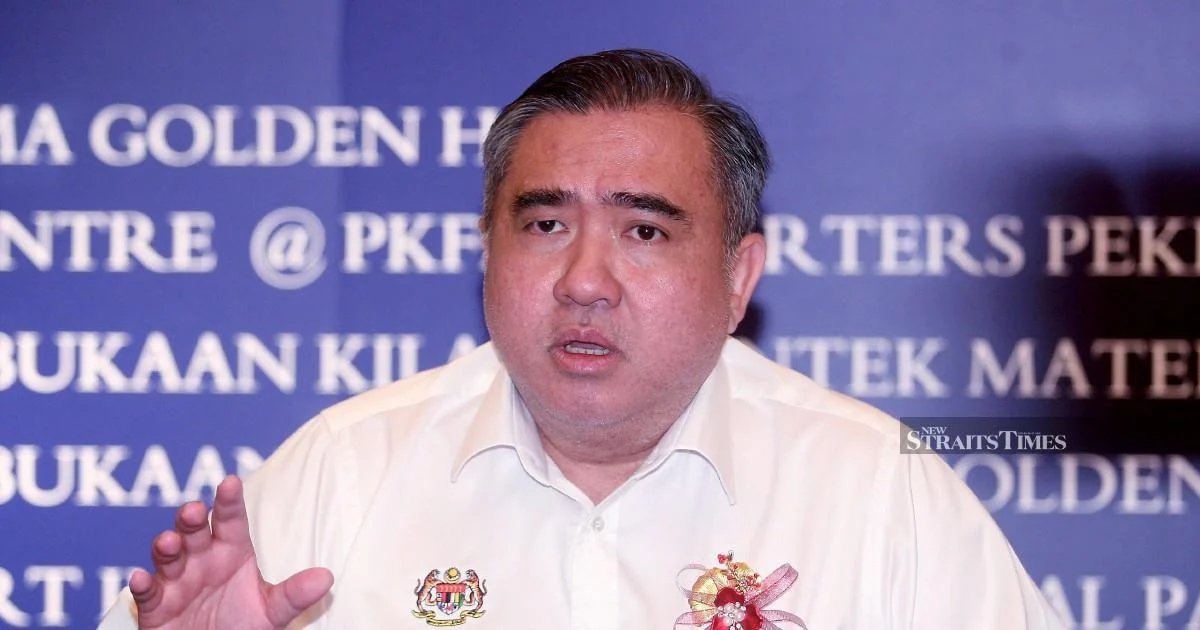
The Democratic Action Party is preparing to roll out its full complement of candidates for Johor's imminent state election, with the official announcement scheduled for this evening in Kluang. This marks a pivotal moment in the party's campaign machinery, as it transitions from internal deliberations and vetting processes to public presentation of its electoral strategy and chosen representatives.
The timing of the candidate unveiling reflects DAP's determination to present a complete and unified political front ahead of polling day. By releasing all nominees simultaneously rather than through piecemeal announcements, the party aims to generate momentum and demonstrate organisational readiness to Johor voters. Such coordinated launches typically serve multiple strategic purposes, allowing the party to control media narratives and ensure consistent messaging across all constituencies.
Johor represents a crucial battleground in Malaysian politics, given its status as the nation's second-most populous state and its historical significance as a major political stronghold. The state's electoral dynamics have shifted considerably in recent years, with voters displaying willingness to shift allegiances based on performance and political developments. For DAP, which has steadily expanded its footprint in Johor through municipal and parliamentary elections, state-level representation offers opportunities to broaden its influence and demonstrate governance capabilities beyond its traditional strongholds in Penang and Selangor.
The party's candidate selection process would have involved intensive internal evaluation, considering factors such as grassroots support, professional credentials, community standing, and electoral viability in each constituency. DAP traditionally emphasises merit-based selection and commitment to party principles, though like all political organisations, it must balance ideological considerations with practical electoral mathematics. The composition of this candidate roster will reveal how extensively the party has diversified its appeal beyond its traditional support base.
Candidate announcements in Malaysian state elections carry substantial weight beyond mere formality. They signal the party's confidence in specific individuals and constituencies, potentially influencing supporter enthusiasm and turnout. Voters often respond strongly to candidate quality and perceived legitimacy, making these revelations closely scrutinised by political observers, rival parties, and the general public. The profile of candidates selected—their professional backgrounds, demographic diversity, previous experience, and community connections—frequently becomes a focal point for comparative analysis with competing parties' offerings.
For Johor specifically, DAP's candidate strategy must account for the state's unique political geography and voter composition. Urban areas, particularly around the Klang Valley border regions and city centres, represent receptive ground for DAP's messaging around governance, transparency, and development. Rural constituencies present greater challenges, requiring candidates with genuine community roots and understanding of agricultural and small-town concerns. The party's success will substantially depend on how effectively its chosen representatives can communicate party platforms while addressing localised grievances.
The Johor state election itself forms part of Malaysia's broader political calendar, occurring within a context of shifting coalitional alignments and evolving voter preferences. Recent Malaysian electoral outcomes have demonstrated reduced polarisation along purely ethnic lines and greater receptiveness to performance-based assessments and anti-corruption messaging—factors that potentially favour DAP's positioning as an alternative voice. However, the party also faces entrenched incumbent advantages and must counter persistent perceptions about its appeal beyond Chinese-majority constituencies.
DAP's expansion into Johor reflects broader strategic calculations about capturing legislative representation in Malaysia's major population centres. The party recognises that genuine national political influence requires presence and performance across multiple states, not concentration in a few enclaves. Building credible state-level candidacies in Johor thus represents an investment in long-term political sustainability and relevance, even if individual election outcomes remain uncertain.
The candidate announcement will also serve as a barometer for internal party cohesion and factional balance. Parties with significant internal divisions often reveal tensions through candidate selections, with different factions receiving varying numbers of winnable seats. DAP's ability to present a harmonious lineup suggests strong internal management and consensus-building, whereas visible imbalances might indicate ongoing struggles for control or direction. Observer analysis of the announced roster will consequently extend beyond individual candidate assessment to broader organisational health evaluation.
Media and public reaction to the announced candidates will shape subsequent campaign narratives significantly. Strong positive responses could catalyse campaign momentum and volunteer recruitment, while negative reactions or perceived errors in candidate selection could undermine months of preparatory work. The announcement thus represents both an opportunity for DAP to frame its political narrative and a vulnerability point where competitors and critics can mount immediate counter-attacks based on candidate records and backgrounds.
Looking forward, these candidates will become the public face of DAP's Johor ambitions for the duration of the election campaign. Their performance in debates, community engagements, media interviews, and canvassing efforts will substantially determine whether the party translates organisational readiness and strategic positioning into actual electoral gains. The quality and connectivity of these individuals to their respective constituencies may prove ultimately more decisive than party machinery or financing in determining Johor's electoral outcome.


%22%2F%3E%3C%2Fpattern%3E%3C%2Fdefs%3E%3Crect%20width%3D%22100%25%22%20height%3D%22100%25%22%20fill%3D%22url(%23ph3sufhg)%22%2F%3E%3Crect%20width%3D%22100%25%22%20height%3D%22100%25%22%20fill%3D%22url(%23ph3sufhp)%22%2F%3E%3Ctext%20x%3D%2250%25%22%20y%3D%2250%25%22%20text-anchor%3D%22middle%22%20dominant-baseline%3D%22central%22%20fill%3D%22rgba(255%2C255%2C255%2C0.95)%22%20font-family%3D%22Georgia%2C%20'Times%20New%20Roman'%2C%20serif%22%20font-weight%3D%22700%22%20font-size%3D%22272%22%20letter-spacing%3D%22-0.02em%22%3EPerak%3C%2Ftext%3E%3C%2Fsvg%3E)