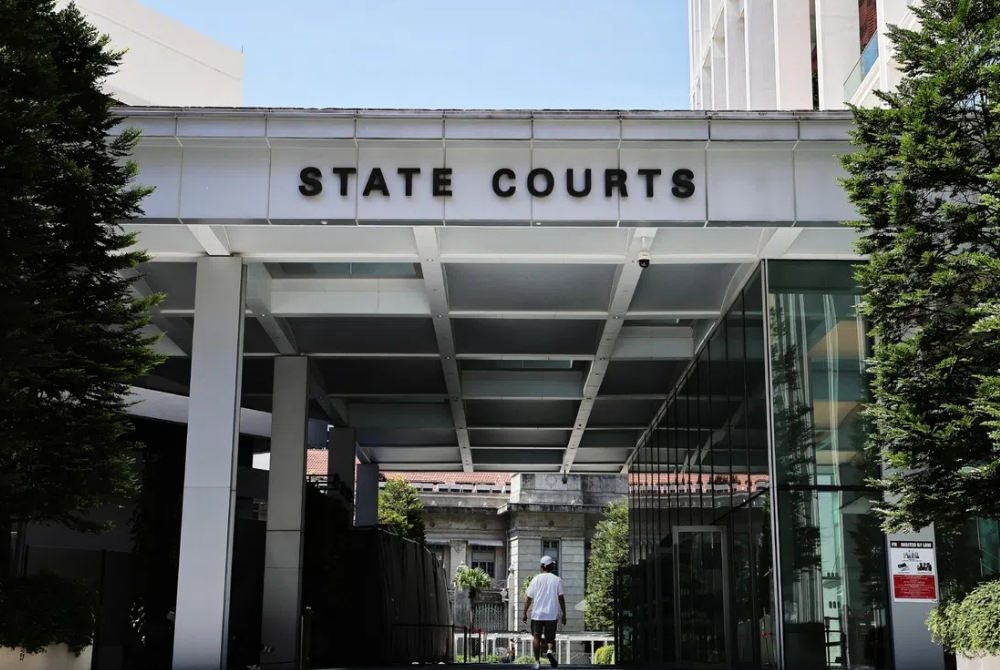
A Singaporean man has received a sentence of nine years and 10 months imprisonment along with eight strokes of the cane for his systematic abuse of primary school children entrusted to his care at a private educational facility. The severity of the judgment, handed down on August 21, reflects the brutality of the offences committed against vulnerable pupils aged between six and 11 in 2023, with District Judge John Ng noting that the facts of the case demonstrate an alarming pattern of cruelty perpetrated against defenceless children who relied on the offender for protection and wellbeing.
The offender's actions extended beyond isolated incidents of physical violence. He deliberately subjected one six-year-old victim from China to systematic degradation and torture over months, employing methods designed to inflict maximum psychological and physical harm. Court records indicate the child was struck at least 600 times and stomped upon at least 40 times during the period he remained at the facility. The abuse included forcing the boy into extended stress positions, denying him food, isolating him socially, and subjecting him to humiliation that extended to forcing him to consume his own urine when he expressed thirst during one 18-hour ordeal.
On March 9, 2023, the offender instructed the boy to maintain a push-up position while studying English. What began as academic punishment evolved into prolonged physical torture, with the child held in this excruciating position from 3:45 in the afternoon until the following morning—a span exceeding 15 hours. Throughout this period, the offender allowed other residents of the facility to eat dinner while the victim remained immobilized. At 1:15 in the morning, the man punched and stomped the boy, then between 2 and 7 in the morning placed a chair across his body and sat upon it, forcing him to lower further into the stress position. When the child required toilet access, the offender forced him to urinate into a basin and compelled him to drink the liquid when expressing thirst.
The consequences of this sustained abuse manifested in life-threatening medical conditions. The six-year-old victim suffered rib fractures, acute kidney failure, and required nine days of dialysis treatment to recover from injuries directly attributable to the physical assault and deprivation endured. Deputy public prosecutors Timotheus Koh and Cheronne Lim characterized the offender's conduct as a calculated betrayal of the trust placed in him by parents and the educational institution. They emphasized that despite inflicting injuries severe enough to threaten the child's survival, the offender deliberately delayed medical intervention for three days, deliberately withholding treatment to prevent detection of his crimes by authorities.
The offender's employment at the facility represented a profound breach of institutional responsibility. Although hired in 2016 by his aunt, who operated the educational facility, he held no formal teaching qualifications or childcare credentials. Yet he was assigned responsibility for supervising boarding students, conducting English instruction, and monitoring academic progress—positions requiring competence and trustworthiness he demonstrably lacked. The facility provided accommodation for students and workers while offering management consultancy services for foreign students, creating a vulnerable population isolated from parental oversight and external scrutiny.
Tyranny against the six-year-old victim extended beyond physical violence into systematic deprivation. The boy was confined to sleeping in the toilet, rationed to bread and water, and subjected to mockery and emotional cruelty. On March 10, 2023, the offender telephoned the boy's father requesting permission to "discipline" the child without disclosing either the physical punishment already inflicted or the specific methods he intended to employ. Armed with vague parental consent obtained through deception, he escalated his assault, striking the boy repeatedly with a clothes hanger—using such force that the implement shattered—before continuing with the broken portions. Throughout the day, he alternated between hangers and his fists, attacking the boy's body until the child became physically incapable of standing.
District Judge Ng acknowledged the offender's personal history during sentencing submissions, particularly his own childhood exposure to violence through an alcoholic father and an older sibling involved in organized crime who inflicted physical abuse. However, the judge rejected these mitigating circumstances as justifications for his conduct. "Being a young boy who had suffered at the hands of abusers, the offender should have been in a better position not to repeat such treatment to vulnerable victims who had trusted him to care for them and protect them," the judge stated, articulating the principle that childhood trauma does not absolve individuals of responsibility for perpetuating cycles of violence against those in their care.
The offender had pleaded guilty on July 9 to child abuse, voluntarily causing grievous hurt, and providing false or misleading information to the Ministry of Manpower. His guilty plea acknowledged the gravity of allegations but did not prevent the court from imposing substantial custodial punishment reflecting the severity of the crimes. The court rejected his request to defer sentencing for one week to attend prayers, demonstrating judicial determination that the administration of justice could not be postponed for religious observance. The 31-year-old offender maintained a downward gaze as the judge delivered the sentence, occasionally glancing toward family members present in court before being led away by officers.
The case raises significant questions about oversight mechanisms within private educational institutions and the adequacy of vetting procedures for personnel entrusted with children's supervision. That an individual without formal qualifications could exercise unsupervised authority over young boarding students, particularly those from overseas backgrounds with limited local family connections, reveals vulnerabilities in institutional accountability. For Malaysian readers and Southeast Asian education stakeholders, the Singapore case underscores the critical importance of rigorous background screening, formal qualification requirements, and institutional safeguards including regular inspections, transparent communication channels with parents, and whistleblower protections for staff members who detect abuse.
The severity of this sentence, approaching a decade of imprisonment supplemented by corporal punishment, reflects judicial recognition that crimes against children occupy the apex of criminal culpability. The offender's actions were not momentary lapses in judgment but premeditated, sustained campaigns of escalating violence concealed through deliberate deception of parents and authorities. The psychological and physical trauma inflicted on his victims, particularly the six-year-old who endured life-threatening injuries, establishes that such abuse constitutes among the most serious violations of societal norms regarding the protection of vulnerable persons.

